
Department of Psychiatry · UC San Diego School of Medicine
Decoding the biology of addiction
We identify the neurobiological mechanisms underlying drug addiction and develop novel pharmacological and non-pharmacological treatments to help people with substance use disorders.
100 m 10−9 m
Nine orders of magnitude, one question
- 100 m Behavior & bodySelf-administration, vapor models, gut microbiome
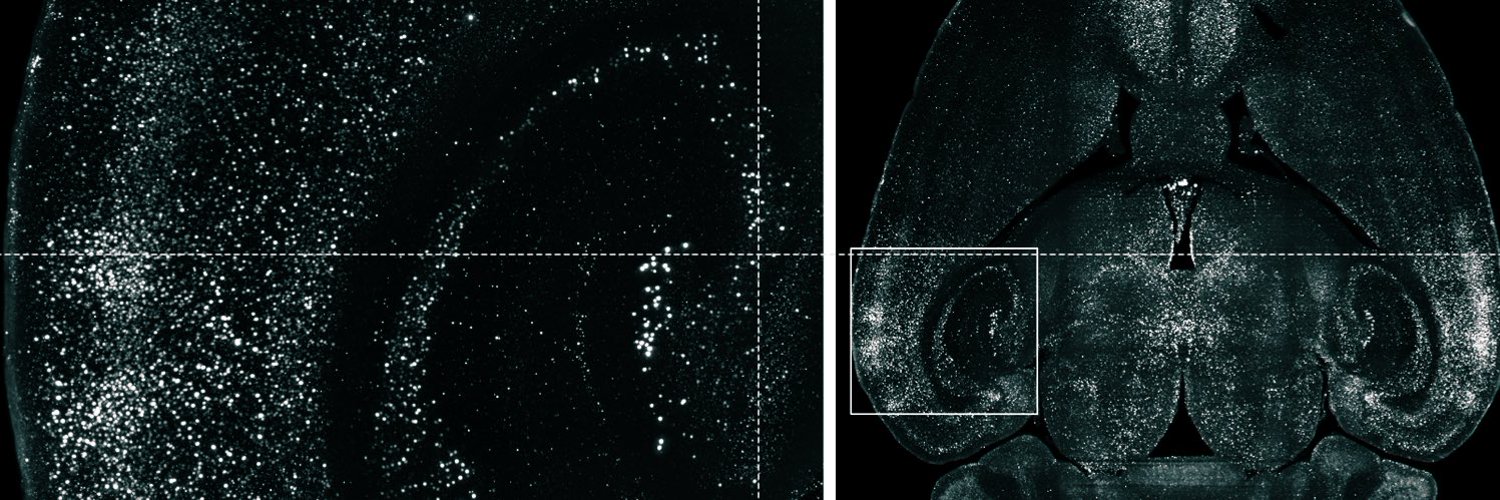
- 10−2 m Whole brainLight-sheet imaging, functional connectomics
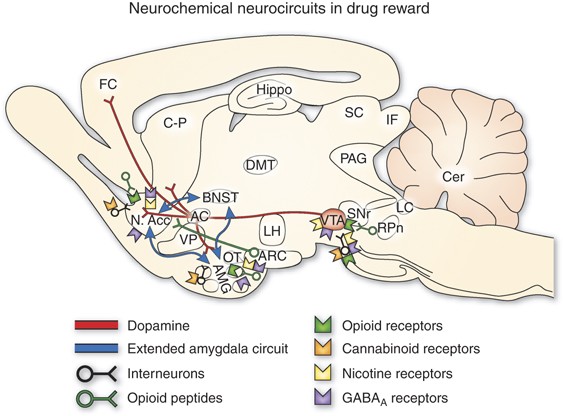
- 10−3 m CircuitsOptogenetics, chemogenetics, deep brain stimulation
- 10−6 m Synapses & cellsSlice electrophysiology, neuronal ensembles
- 10−9 m Genes & moleculesGWAS, single-cell and spatial transcriptomics, metabolomics
The Approach
From genes to behavior
Multilevel & integrated
GWAS, single-cell and spatial transcriptomics, slice electrophysiology, whole-brain imaging, microbiome, and metabolomics — connected in the same animal models.
The approachesBehavioral phenotyping at scale
State-of-the-art animal models of addiction with the capacity to test more than 60 animals simultaneously, including pioneering vapor self-administration models.
The modelsToward new medications
Pre-IND, proof-of-concept, and pharmacokinetic studies — plus deep brain stimulation and biologics — to turn mechanisms into treatments.
The pipeline“From a single gene to the whole person, addiction touches every level of biology, so we study every level.”

Open Science
Open to the field
The Addiction Biobanks
Specimens from more than 2,000 behaviorally and genetically characterized rats, vulnerable or resistant to cocaine and oxycodone addiction, open to collaborators.
Request samplesPARC
Dr. George directs the Polysubstance Addiction Research Center, a NIDA P50 Center of Excellence at UC San Diego.
Visit PARCTraining
From high school students to postdocs, nearly 200 scientists have trained in the lab since 2006. Positions open year-round.
Join the lab