
George Lab
Addiction Research Laboratory at UCSD
WHAT DO WE DO?
Translational Research
We work collaboratively on basic research, proof-of-concept studies, and pre-IND studies to discover the biological mechanisms of drug addiction, develop novel small-molecule, biological, and device-based therapeutics approaches.

NEUROSCIENCE
Neuroanatomy
Cellular physiology
Functional Connectivity
Opto/chemogenetic
We use basic and advanced neuroscience approaches to study the impact of drugs on the brain and the neuroadaptations responsible for addictive behaviors
MEDICATION DEVELOPMENT
Pre-IND, Proof-of-Concept, Pharmacokinetic, and Drug Screening Studies
We work with chemists in both academia and the pharmaceutical industry to test the efficacy of promising compounds in reversing the effects of drugs on the brain, reducing drug use, and preventing relapse in animal models.
BEHAVIORAL PHENOTYPING
State-of-the-Art Animal Models
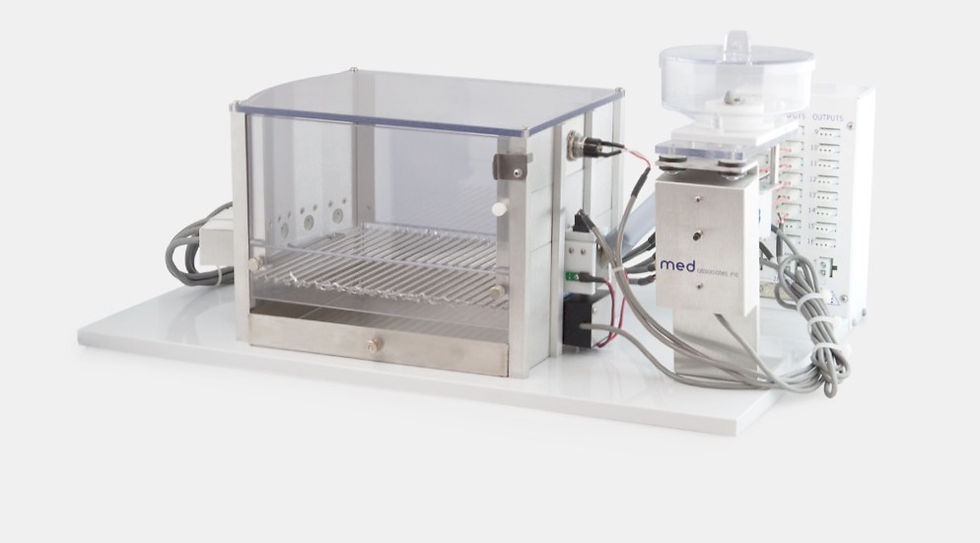
We have one of the largest drug self-administration phenotyping program in the country, with the capability of testing over 150 animals simultaneously. We use state-of-the-art animal models, including chronic intravenous, oral, and vapor self-administration combined with advanced analyses of behavior responses despite increases in cost to obtain the drug or the presence of adverse consequences.

NOVEL THERAPEUTIC APPROACHES
Deep Brain Stimulation
Vaccines
Biologics
We are developing new therapeutics, including deep brain stimulation to reduce opioid use, vaccines to prevent opioid intoxication, and enzymatic approaches to prevent nicotine from reaching the brain.
