
Epidemics & trends
The rise of cigarette smoking
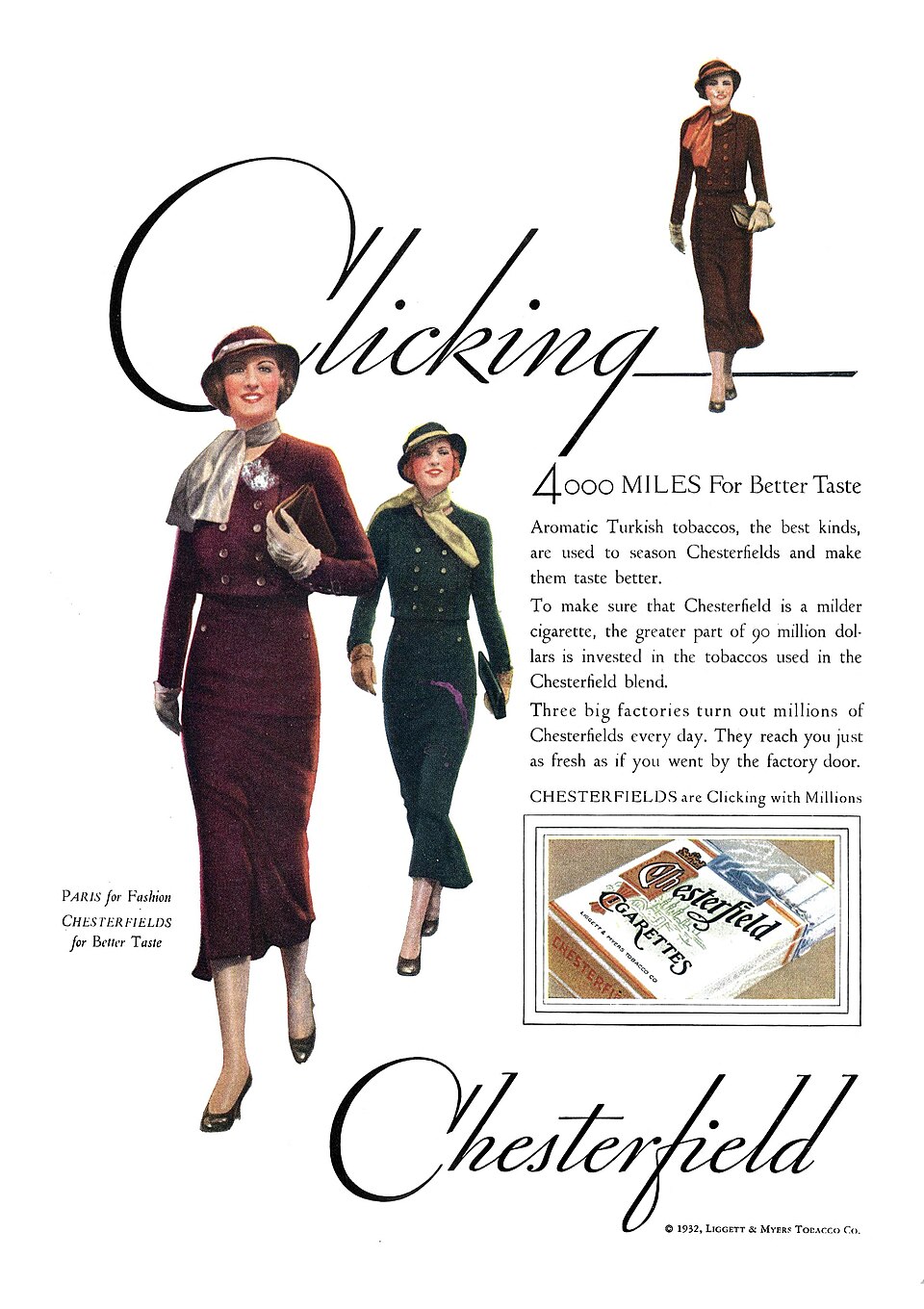
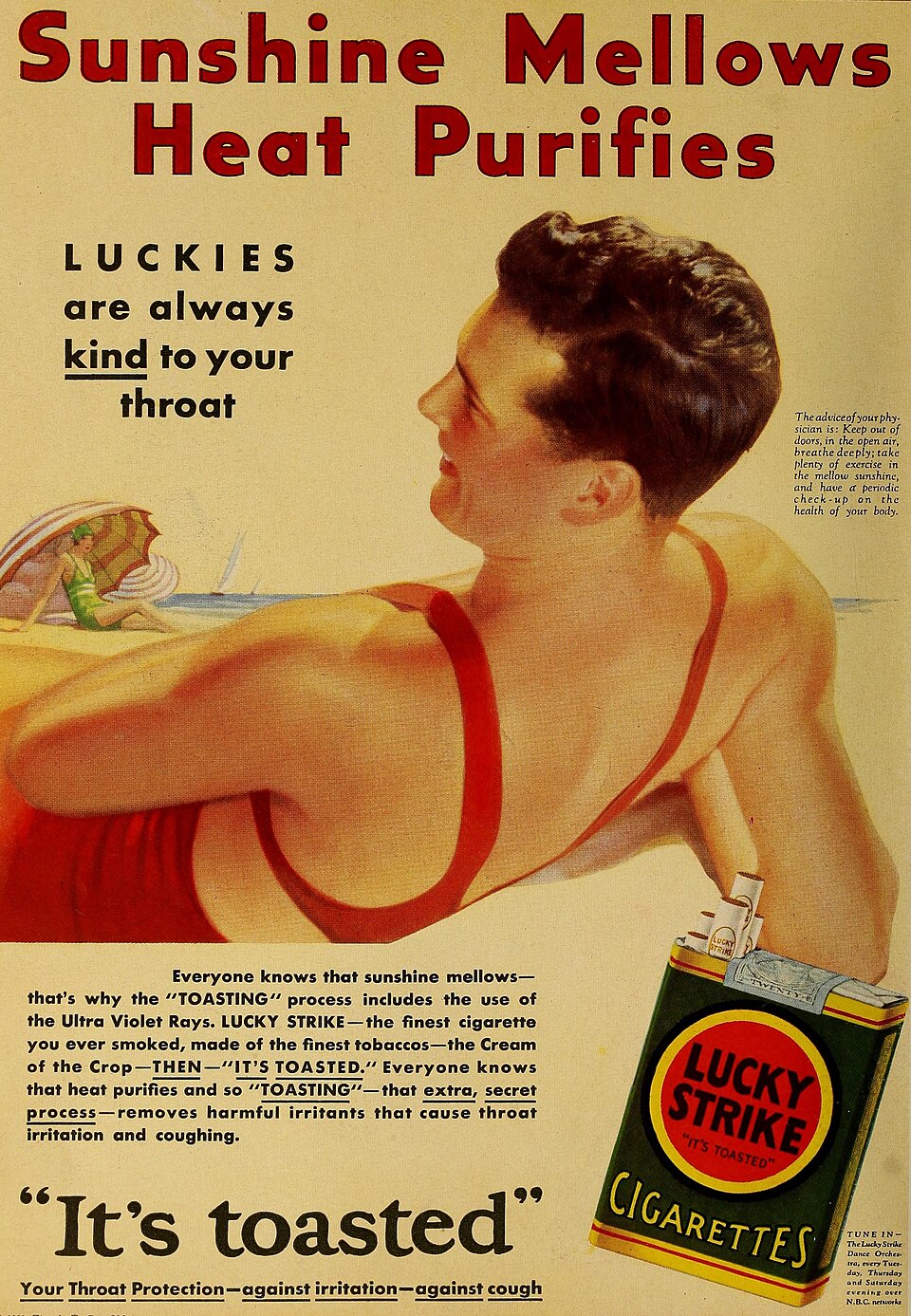
Mass-produced cigarettes, heavy advertising, and wartime rations drove U.S. cigarette consumption from 54 per adult in 1900 to a peak of 4,345 per adult in 1963. Source: CDC, JAMA 1999.
The evolution of the concept of addiction
How our understanding of addiction changed, from a moral failing to be policed to a brain disorder to be diagnosed, studied, and treated. 186 milestones in policy, diagnosis, treatment, and neuroscience, from the 1900s to today.
Dots are single events; bars span several years. Click any mark to jump to it.
Epidemics & trends
Mass-produced cigarettes, heavy advertising, and wartime rations drove U.S. cigarette consumption from 54 per adult in 1900 to a peak of 4,345 per adult in 1963. Source: CDC, JAMA 1999.
Neuroscience
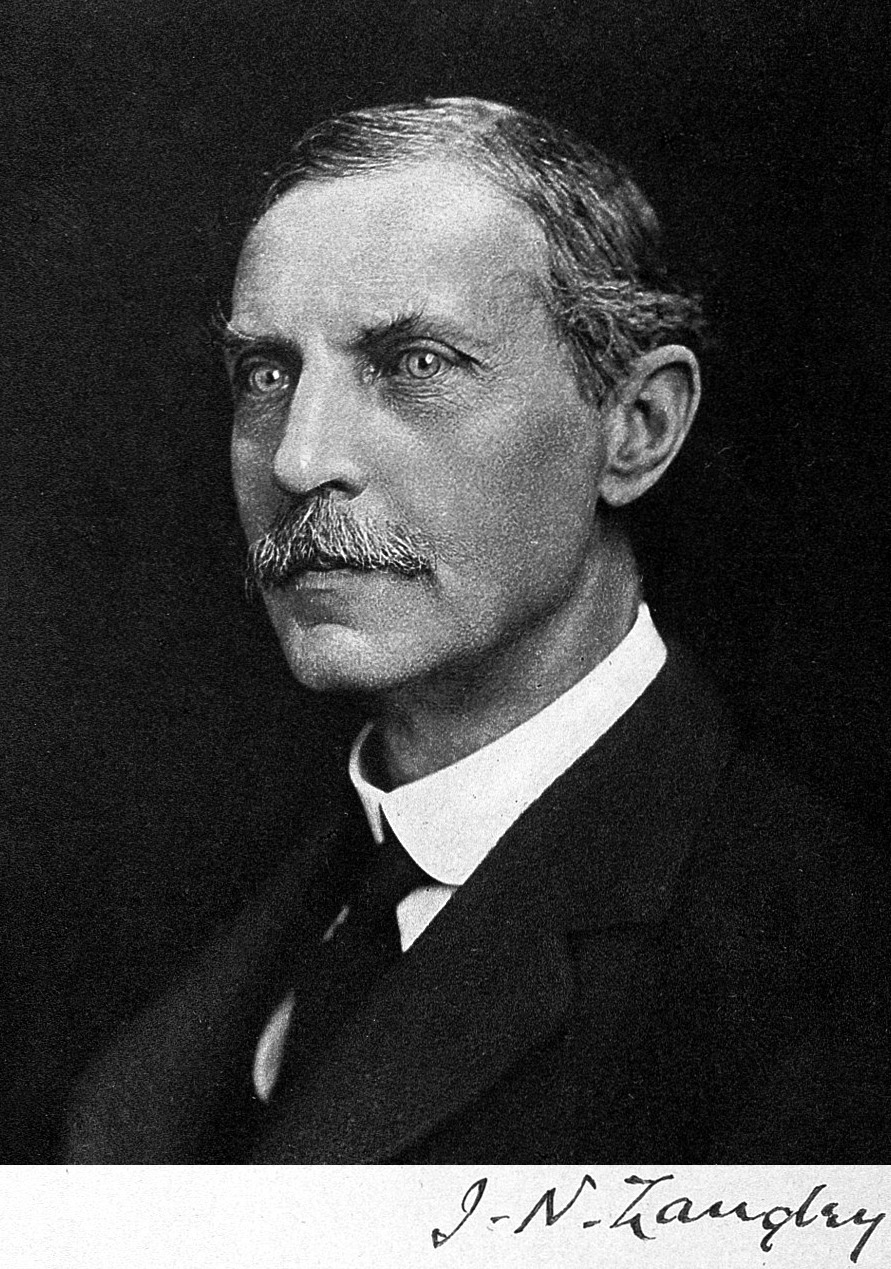
Working with nicotine and curare on muscle, Langley proposed that drugs act on a specific 'receptive substance' in cells, the origin of the receptor concept and the first hint of nicotine's molecular target. Source: Langley, J Physiol 1905.
Policy & institutions
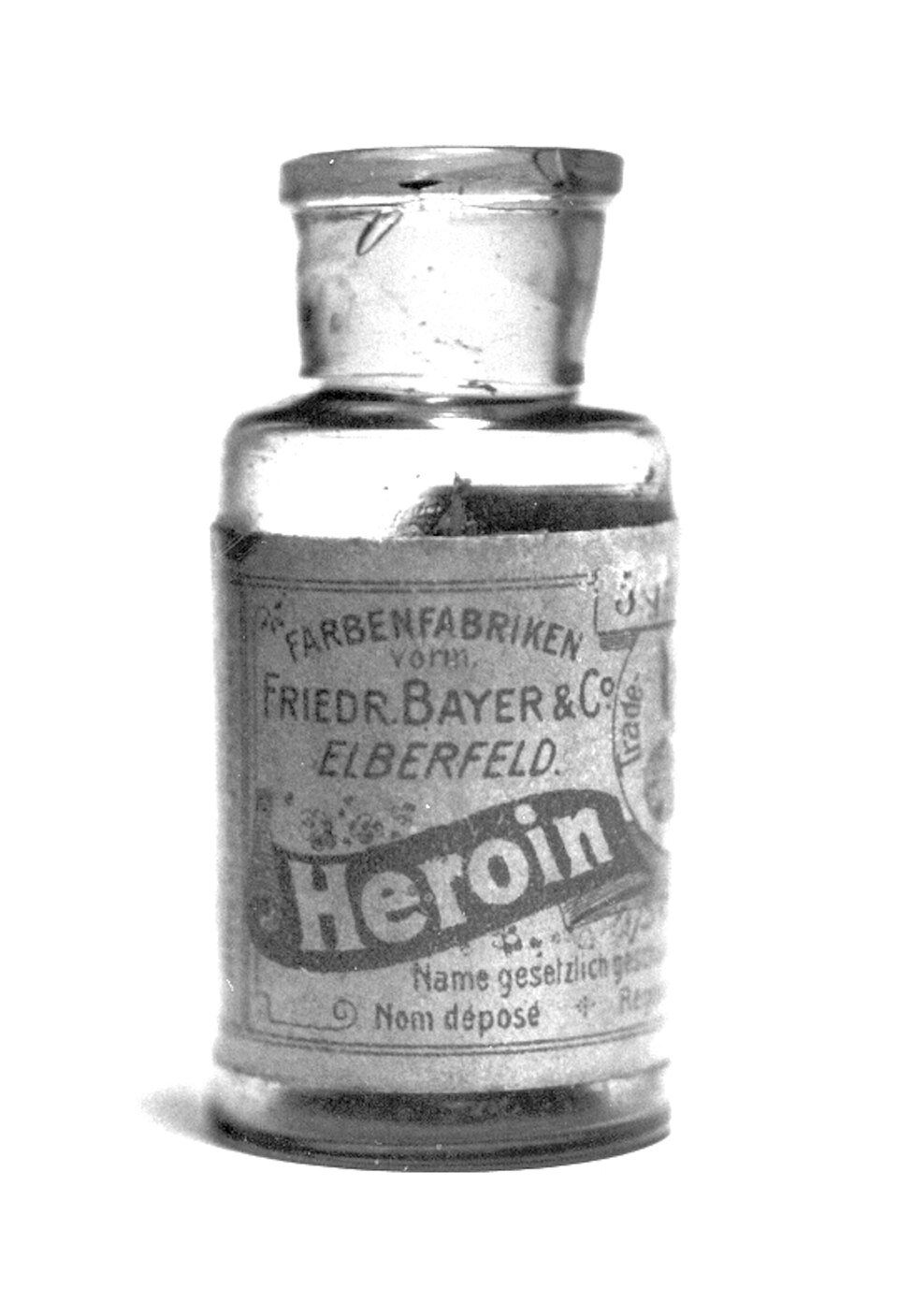
The first U.S. federal law regulating opiates and cocaine. Its enforcement effectively criminalized prescribing to people with addiction. Source: Harrison Narcotics Tax Act, 1914.
Diagnosis
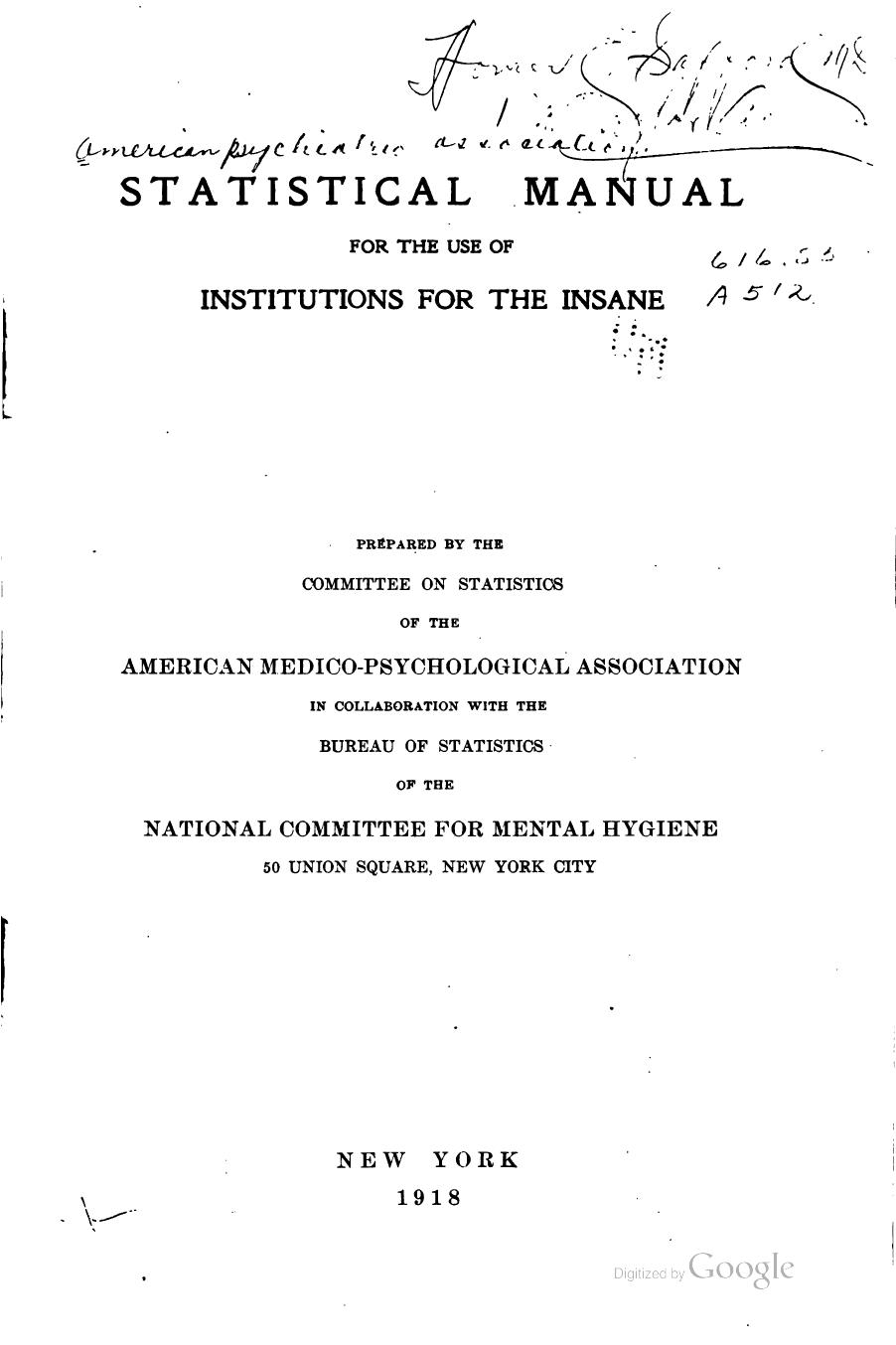
"The first American initiative to develop standardized diagnostic criteria was prompted by the U.S. Census Bureau, to aid efforts to estimate the prevalence of mental disorders in America for the 1920 census. This initiative produced a diagnostic manual, the Statistical Manual for the Use of Institutions for the Insane (SMUII), which outlined 21 disorders, 19 of which were psychotic disorders. This manual was largely ignored by American psychiatrists, even through the evolution of this document across a series of 10 editions by 1942 [12]. In 1952 and 1968, the American Psychiatric Association released its first two versions of its diagnostic criteria for psychiatric disorders, but diagnostic reliability and validity were not to be established until decades later."
Policy & institutions
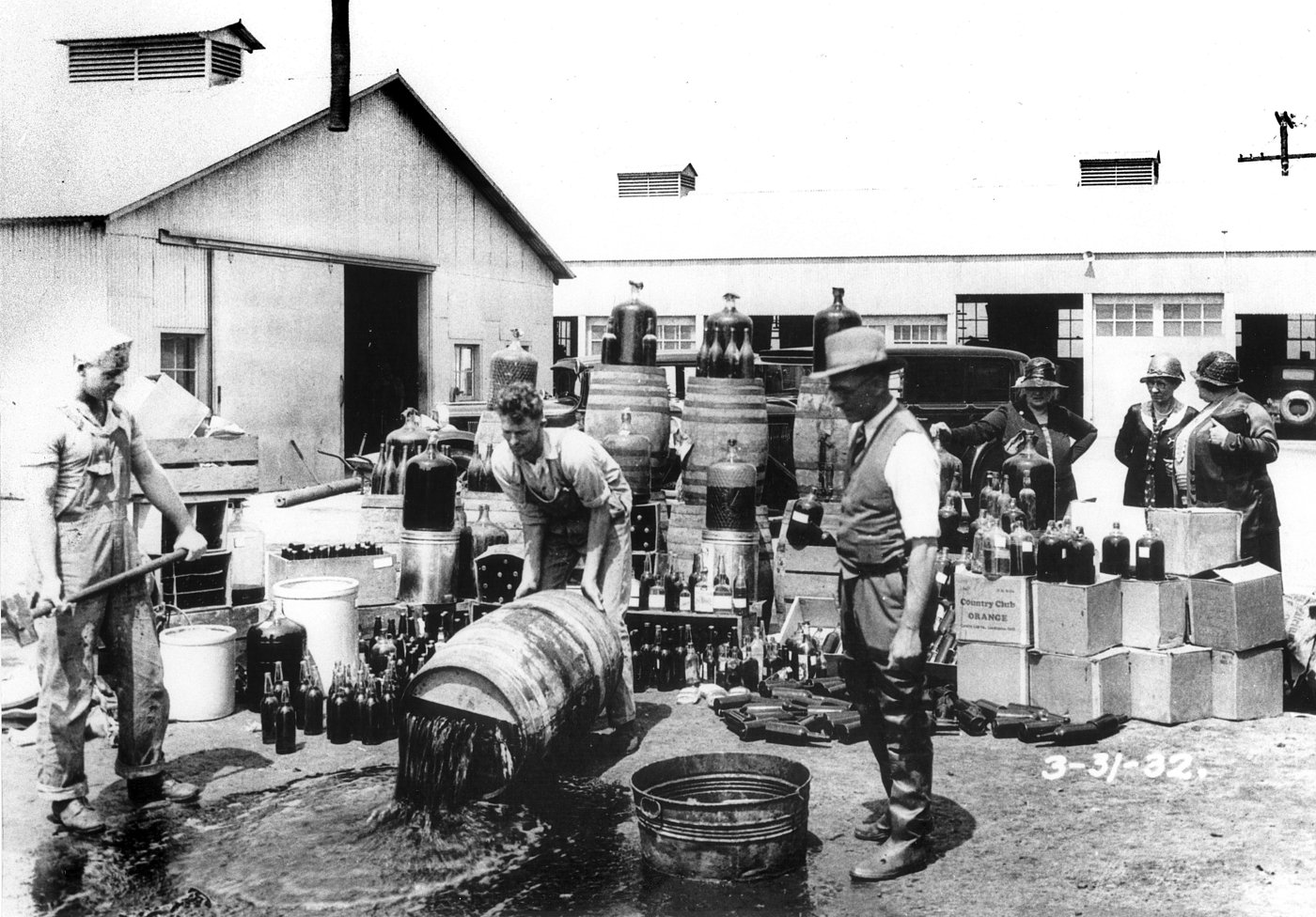
The 18th Amendment to the U.S. Constitution–which banned the manufacture, transportation and sale of intoxicating liquors–ushered in a period in American history known as Prohibition. Prohibition was ratified by the states on January 16, 1919 and officially went into effect on January 17, 1920, with the passage of the Volstead Act. Despite the new legislation, Prohibition was difficult to enforce. The increase of the illegal production and sale of liquor (known as “bootlegging”), the proliferation of speakeasies (illegal drinking spots) and the accompanying rise in gang violence and other crimes led to waning support for Prohibition by the end of the 1920s. In early 1933, Congress adopted a resolution proposing a 21st Amendment to the Constitution that would repeal the 18th. The 21st Amendment was ratified on December 5, 1933, ending Prohibition
Neuroscience
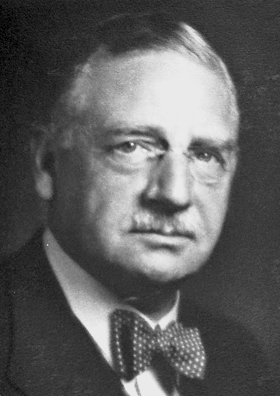
Otto Loewi stimulated the vagus nerve of a frog heart and showed that fluid from it slowed a second heart: nerves communicate by releasing chemicals. His "Vagusstoff" proved to be acetylcholine, and he shared the 1936 Nobel Prize with Henry Dale. Every addictive drug acts on this chemical signaling. Source: Loewi, Pflügers Arch 1921.
Neuroscience
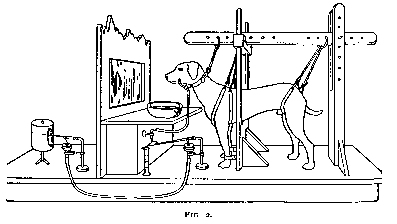
In Pavlov's laboratory, Krylov found that dogs given repeated morphine injections began to show the drug's effects, such as nausea and salivation, at the mere sight of the injection preparations. It was the first evidence that drug responses become conditioned to cues, the root of cue-induced craving and conditioned withdrawal. Source: Pavlov IP, Conditioned Reflexes, Oxford University Press, 1927.
Policy & institutions
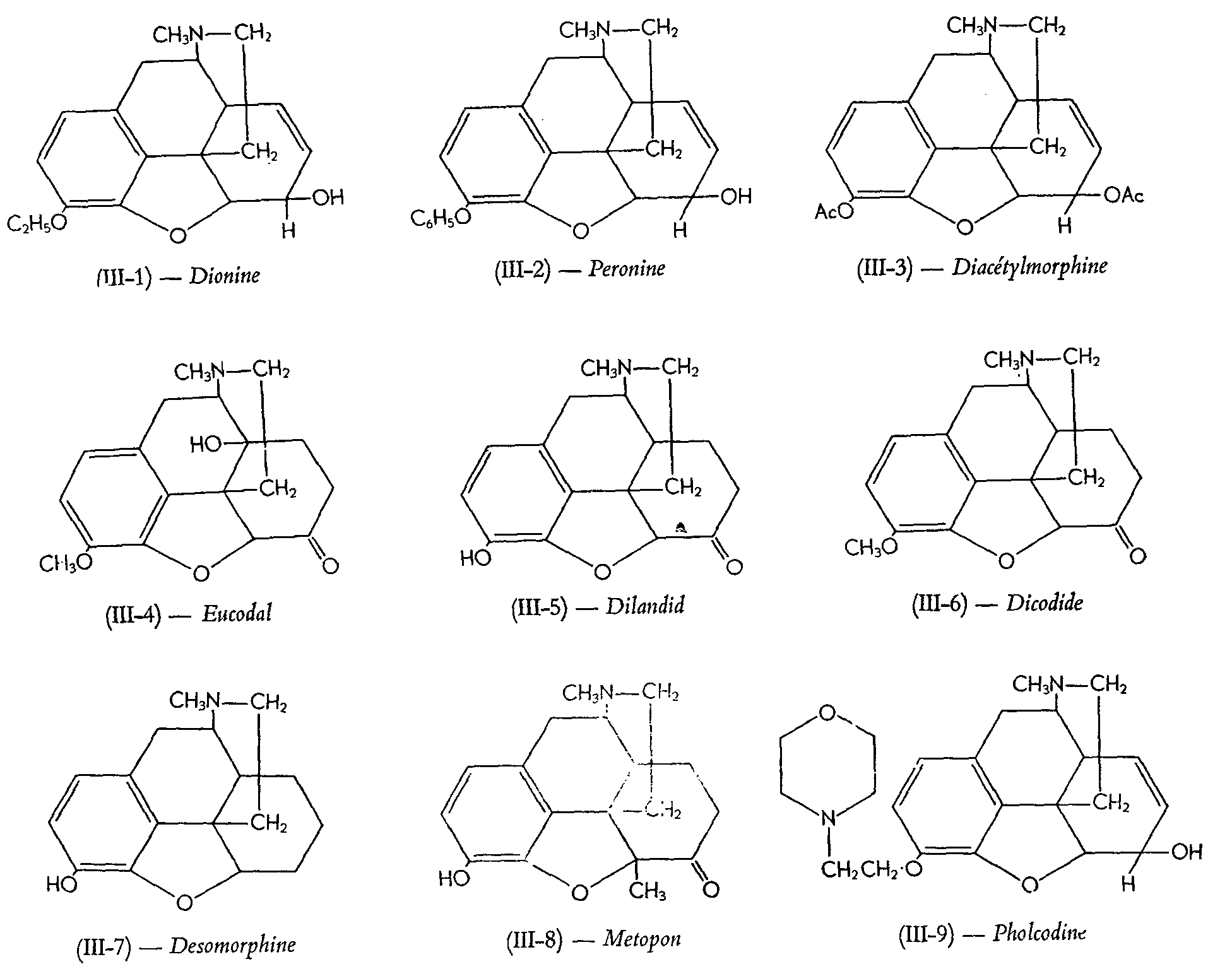
The NRC's Chair of the Medical Sciences Division established the Comittee on Drug Addiction. The memebers of the committee were made up of medical researchers and leading goverment scientists and administrators. The purpose of the committee was to dircret research for drug addiction. Their intial target for research was Cocaine, but by the 1930s it was not much of an abuse problem so they switched their focus onto morphine. The goal of studying morphine was to find alternatives that were not habit forming. The committee conducted their research in chemical laboratories, pharmacology lab, and a clinical setting. The committee was involved in the establishment of a chemical laboratory at the University of Virgina and a pharmacological laboratory at the University of Michigan. Furthermore, the Committee joined with the US Public Health ServiceNarcotics Hospital at Lexington, Kentucky to conduct clinical studies on morphine-related compounds. Pharmacological research at the Hospital in Lexington provided major contributions on the understanding of opiate and alcohol dependence withdrawl.
Neuroscience
Tatum, Seevers, and Collins made dogs dependent on morphine and explained tolerance and withdrawal as the result of opposing adaptations in the nervous system, one of the first experimental models of drug dependence. Source: Tatum et al., J Pharmacol Exp Ther 1929.
Neuroscience
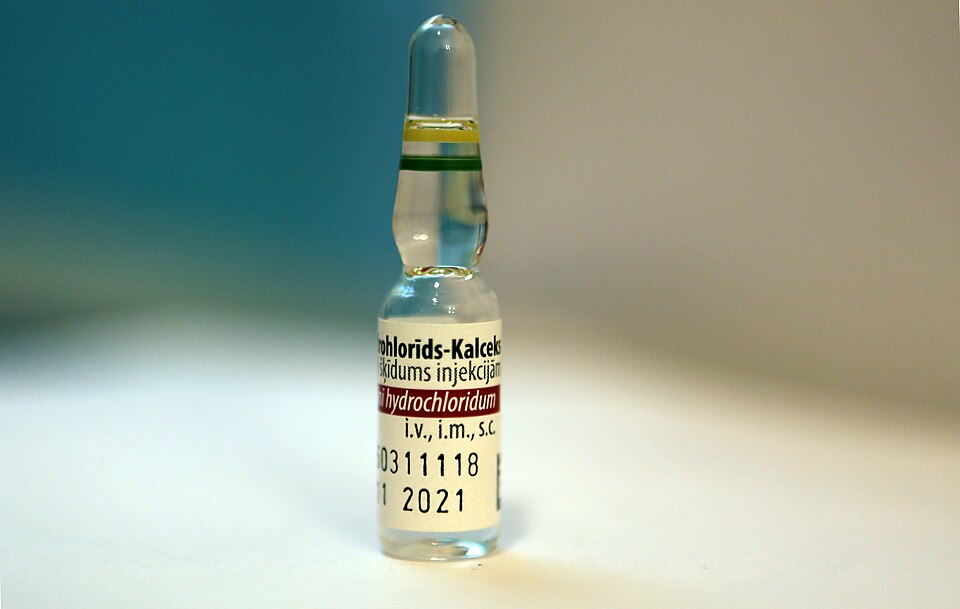
Gordon Alles characterized the stimulant effects of amphetamine, marketed from 1933 as the Benzedrine inhaler and soon prescribed for narcolepsy (1935) and depression. Its wide medical and military use set the stage for later stimulant epidemics. Sources: Alles, J Pharmacol Exp Ther 1933; Prinzmetal & Bloomberg, JAMA 1935.

Neuroscience
Swedish chemist Erik Widmark, building on his micro-method for measuring alcohol in a drop of blood, described how blood alcohol rises and falls with dose and body weight (the Widmark formula). His work became the scientific basis of blood alcohol limits for driving. Source: Widmark EMP, Die theoretischen Grundlagen und die praktische Verwendbarkeit der gerichtlich-medizinischen Alkoholbestimmung, 1932.
Treatment & recovery
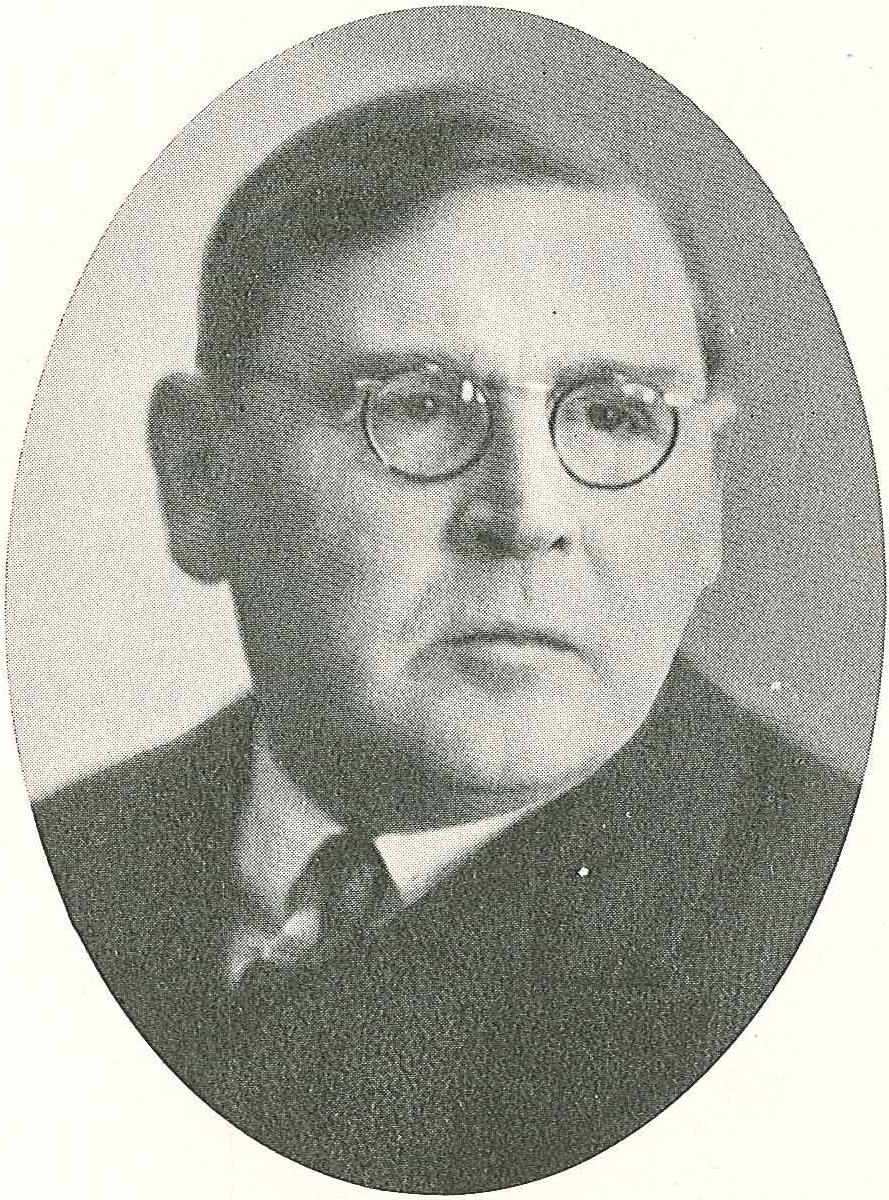
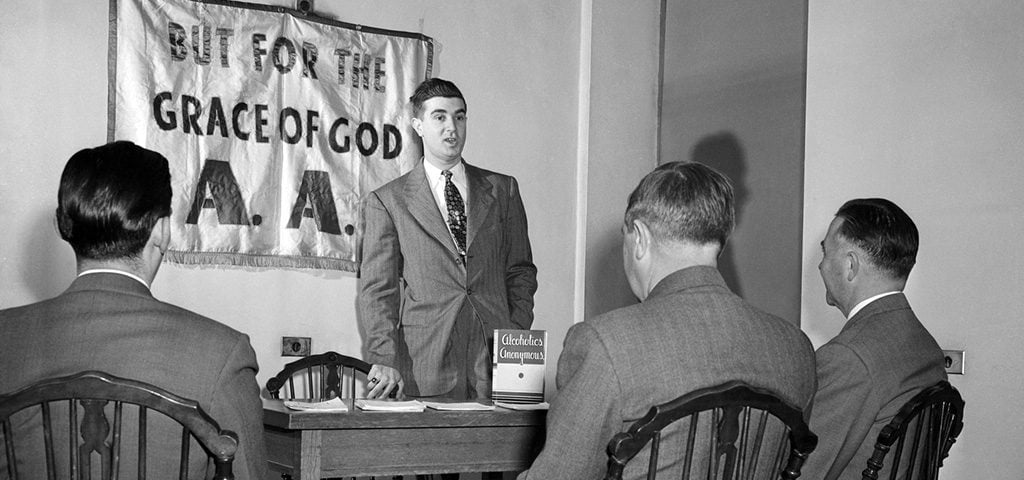
AA was founded in 1935 by Bill Wilson (known as Bill W.) a New York stockbroker, and Robert Smith (known as Dr. Bob) an Ankron surgeon. The origins of AA can be traced to the Oxford Group, a religious movement popular in the United States and Europe in the early 20th century. Members of the Oxford Group practiced a formula of self-improvement by performing self-inventory, admitting wrongs, making amends, using prayer and meditation, and carrying the message to others.
Treatment & recovery
The U.S. Public Health Service opened the Narcotic Farm in Lexington, Kentucky, part prison and part hospital for people with addiction. Its Addiction Research Center became the birthplace of clinical addiction science, measuring withdrawal and testing the abuse potential of new drugs. Source: Kosten & Gorelick, Am J Psychiatry 2002.
Policy & institutions
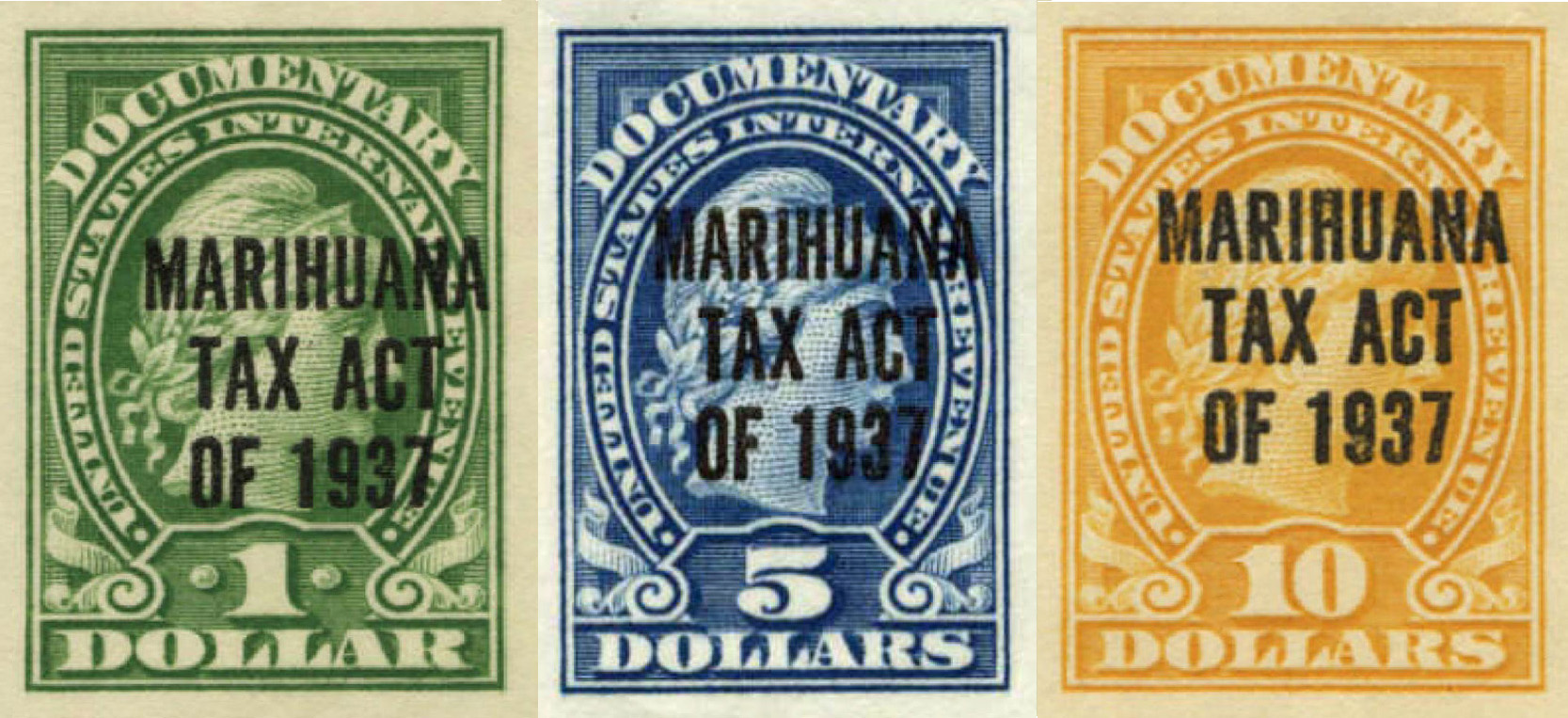
In 1937, the “Marihuana Tax Act” was passed. This federal law placed a tax on the sale of cannabis, hemp, or marijuana. The Act was introduced by Rep. Robert L. Doughton of North Carolina and was drafted by Harry Anslinger. While the law didn’t criminalize the possession or use of marijuana, it included hefty penalties if taxes weren’t paid, including a fine of up to $2000 and five years in prison
Neuroscience
Chemists at IG Farben made the first fully synthetic opioids: pethidine (meperidine, later sold as Demerol), described by Eisleb and Schaumann in 1939, and methadone, made by Bockmühl and Ehrhart in 1937–38. Methadone later became the first maintenance treatment for opioid addiction. Sources: Eisleb & Schaumann, Dtsch Med Wochenschr 1939; Bockmühl & Ehrhart, IG Farben, 1937.

Diagnosis
Sociologist Alfred Lindesmith proposed that addiction begins when a person learns that the drug relieves withdrawal, an early statement of the negative reinforcement view that remains central to theories of addiction. Source: Lindesmith, Am J Sociol 1938.

Epidemics & trends
Franz Hermann Müller in Cologne compared men with lung cancer with healthy men and found that the patients were far more often heavy smokers, one of the first case-control studies linking tobacco to lung cancer. Source: Müller, Z Krebsforsch 1939.
Neuroscience
Spragg made chimpanzees dependent on morphine. In withdrawal they chose the box holding the morphine syringe over one holding food, and some led the experimenter to the injection room: early evidence that animals actively seek drugs. Source: Spragg SDS, Comparative Psychology Monographs, 1940.

Neuroscience
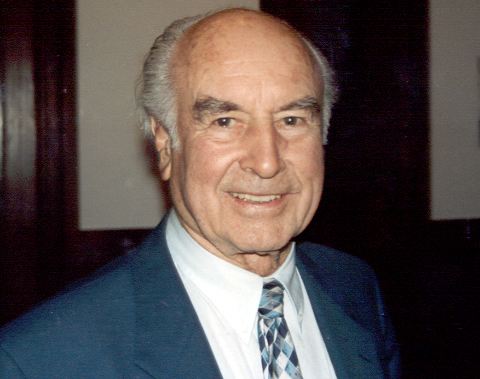
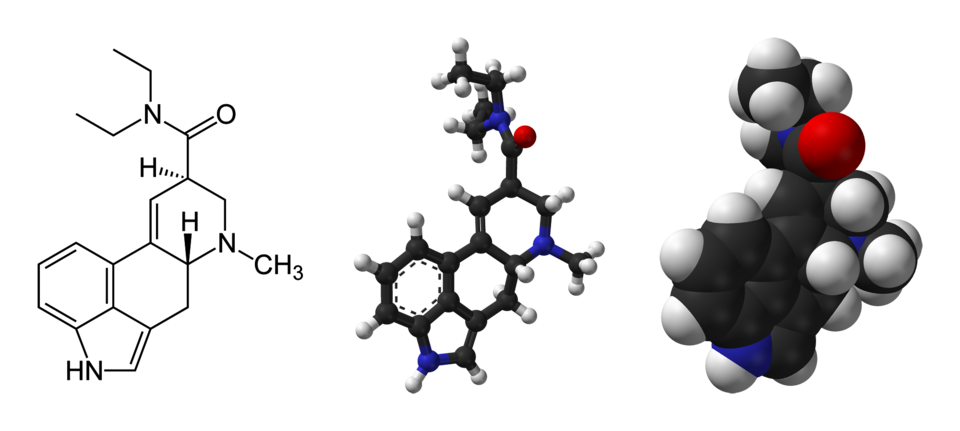
Albert Hofmann, who first made LSD in 1938, discovered its psychoactive effects by accident. Source: Hofmann A, LSD: My Problem Child.
Treatment & recovery
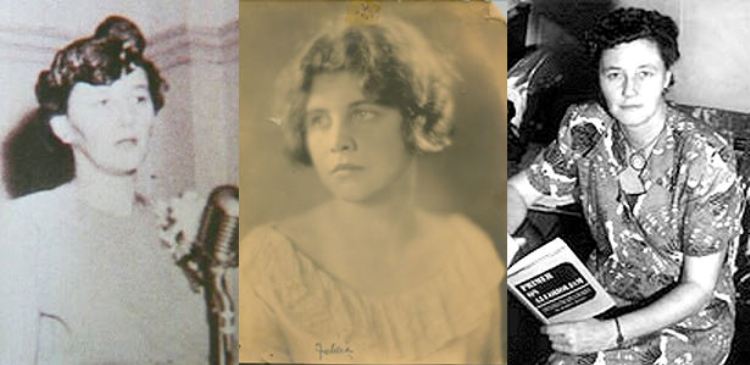
Today the commitee is known as the National Council on Alcoholism and Drug Dependence. Marty Mann was a founding female member of Alcholics Anonymous. Mann started the committe around the following propositions: 1. Alcoholism is a disease. 2. The alcoholic, therefore, is a sick person. 3. The alcoholic can be helped. 4. The alcoholic is worth helping. 5. Alcoholism is our No. 4 public health problem, and our public responsibility. Mann calls for a five-prong approach to be achieved by local NCEA affiliates: 1. Launching local public education campaigns on alcoholism. 2. Encouraging hospitals to admit alcoholics for acute detoxification. 3. Establishing local alcohol information centers. 4. Establishing local clinics for the diagnosis and treatment of alcoholism. 5. Establishing "rest centers" for the long-term care of alcoholics.
Neuroscience
Humphry Osmond, who coined 'psychedelic' in 1957, and Abram Hoffer tested LSD for alcoholism; a 2012 meta-analysis found a benefit. Source: Krebs TS, Johansen PØ, J Psychopharmacol 2012.
Treatment & recovery
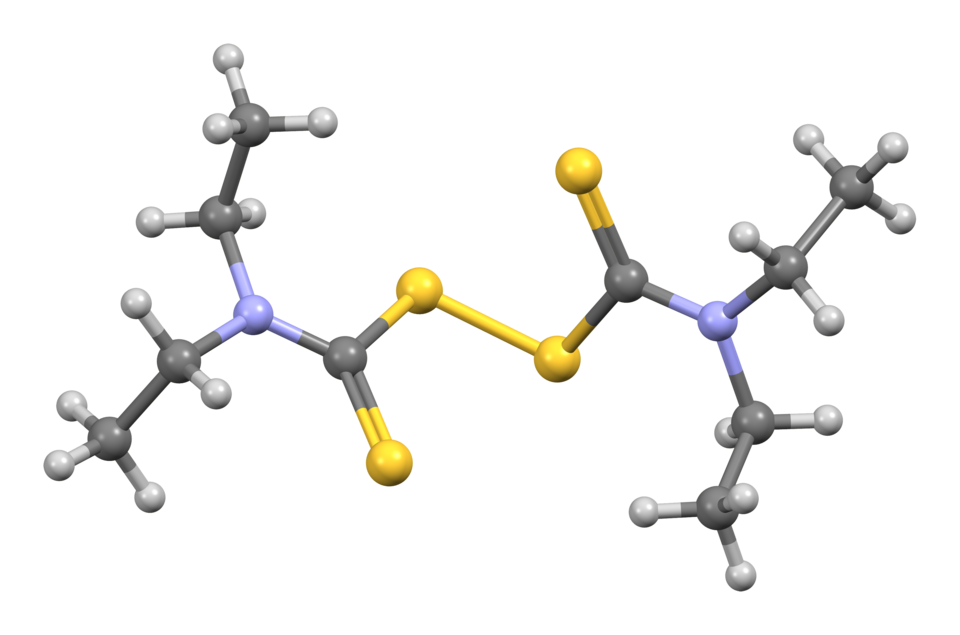
Disulfiram (Antabuse) makes drinking cause nausea; the first medication approved for alcohol use disorder. Source: FDA.
Diagnosis
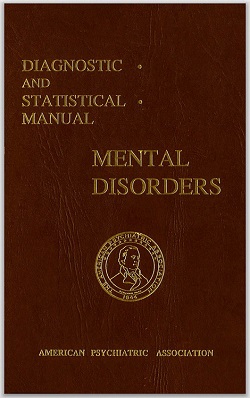
The APA Committee on Nomenclature and Statistics developed a variant of the ICD–6 that was published in 1952 as the first edition of the Diagnostic and Statistical Manual of Mental Disorders (DSM). The IDC-6 was published by the World Health Organization (WHO). it was heavily influenced by the Veterans Administration classification and included 10 categories for psychoses and psychoneuroses and seven categories for disorders of character, behavior, and intelligence. The DSM contained a glossary of descriptions of the diagnostic categories and was the first official manual of mental disorders to focus on clinical use. The use of the term “reaction” throughout DSM reflected the influence of Adolf Meyer’s psychobiological view that mental disorders represented reactions of the personality to psychological, social, and biological factors. In part because of the lack of widespread acceptance of the mental–disorder listings contained in ICD–6 and ICD–7, WHO sponsored a comprehensive review of diagnostic issues, conducted by the British psychiatrist Erwin Stengel. His report inspired many advances in diagnosis—especially the need for explicit definitions of disorders as a means of promoting reliable clinical diagnoses. However, the next round of revisions, which led to DSM–II and ICD–8, did not follow Stengel’s recommendations to any great degree. DSM–II was similar to DSM but eliminated the term “reaction.”
Neuroscience
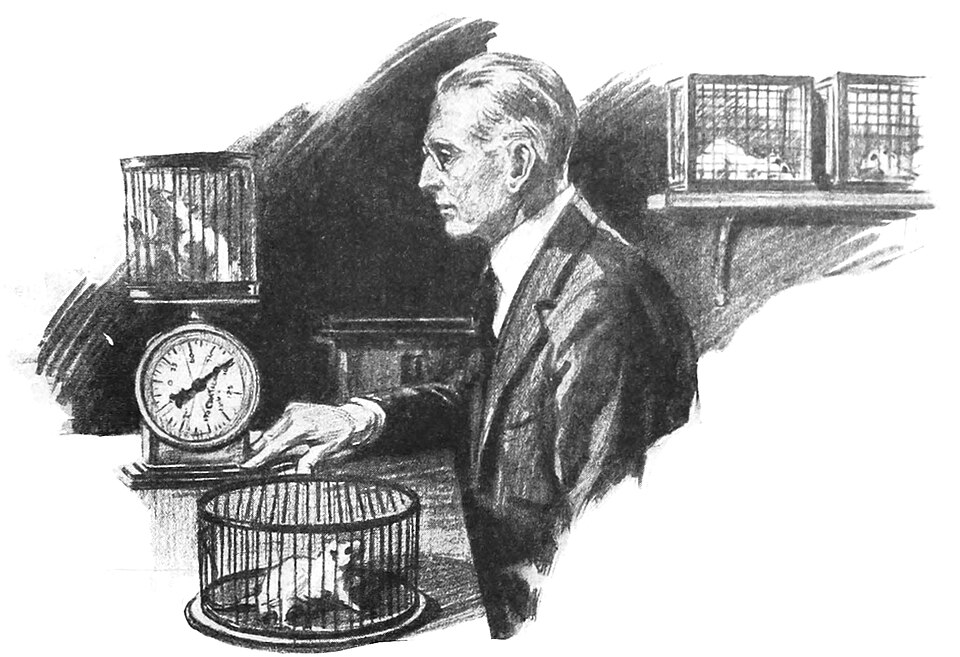
Olds and Milner found that rats will work to electrically stimulate certain brain regions, revealing reward circuitry. Source: Olds J, Milner P, J Comp Physiol Psychol 1954.
Diagnosis
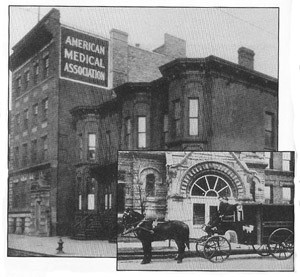
The American Medical Association declared alcoholism an illness needing medical treatment, a shift from a moral to a medical view. Source: AMA (1956).
Diagnosis
E. M. Jellinek described types and a progressive course of alcoholism, shaping clinical thinking for decades. Source: Jellinek EM, The Disease Concept of Alcoholism (1960).
Epidemics & trends
Cannabis use spread rapidly with the youth counterculture; by 1979 about half of U.S. high school seniors had used it in the past year, and in 1978 more than 1 in 10 used it daily. Source: Monitoring the Future survey.

Neuroscience
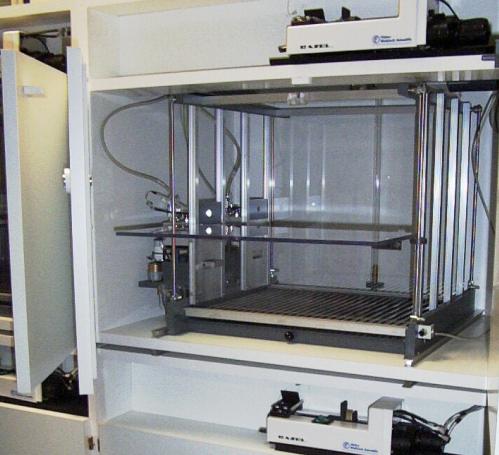
Hodos introduced the progressive-ratio schedule, in which each reward costs more work than the last; the 'breakpoint' remains the standard measure of how motivated an animal is to obtain a drug. Source: Hodos, Science 1961.
Neuroscience
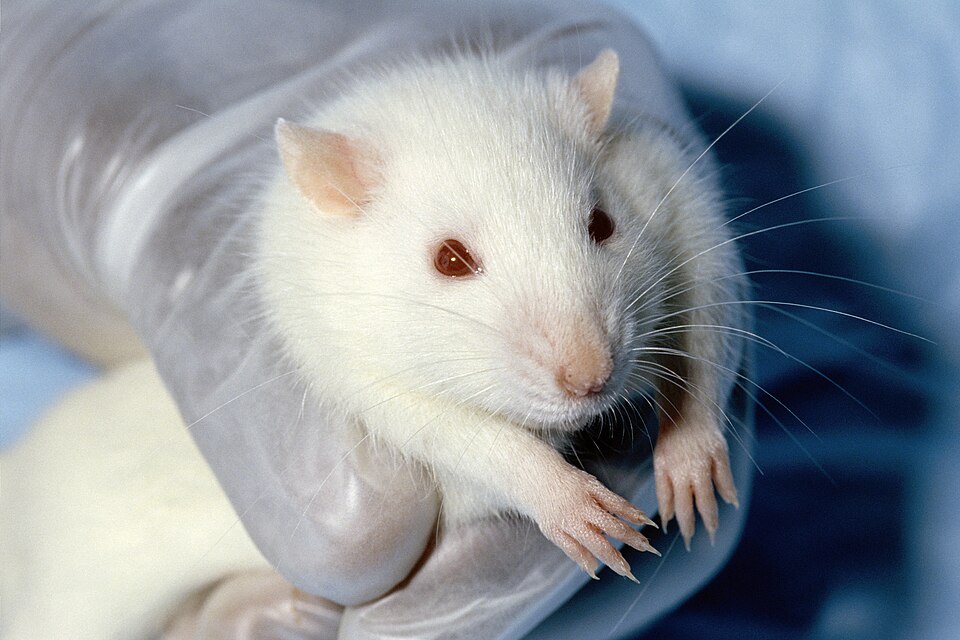
Weeks developed a method for automatic intravenous injections in unrestrained rats and showed that morphine-dependent rats will press a lever to self-inject, founding the self-administration model. Source: Weeks, Science 1962.
Neuroscience
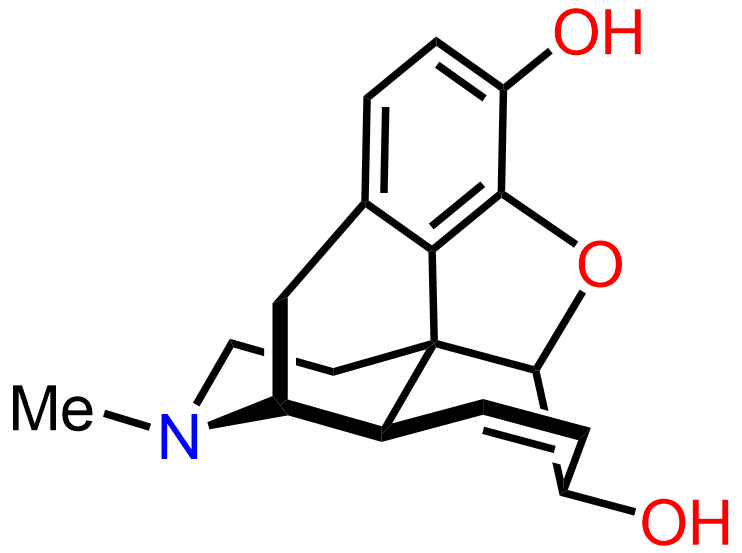
Gaoni and Mechoulam isolated and determined the structure of delta-9-tetrahydrocannabinol (THC), the main psychoactive compound in cannabis. Source: Gaoni, J Am Chem Soc 1964.

Policy & institutions
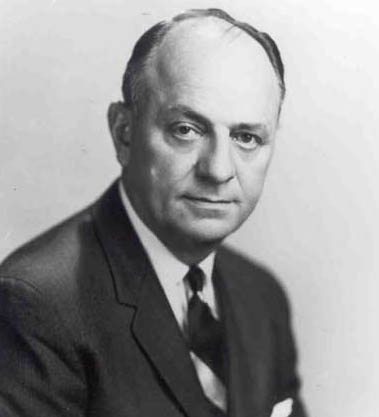
Surgeon General Luther Terry's report Smoking and Health concluded that smoking causes lung cancer, launching federal tobacco control. Source: U.S. Public Health Service, Smoking and Health (1964).
Policy & institutions
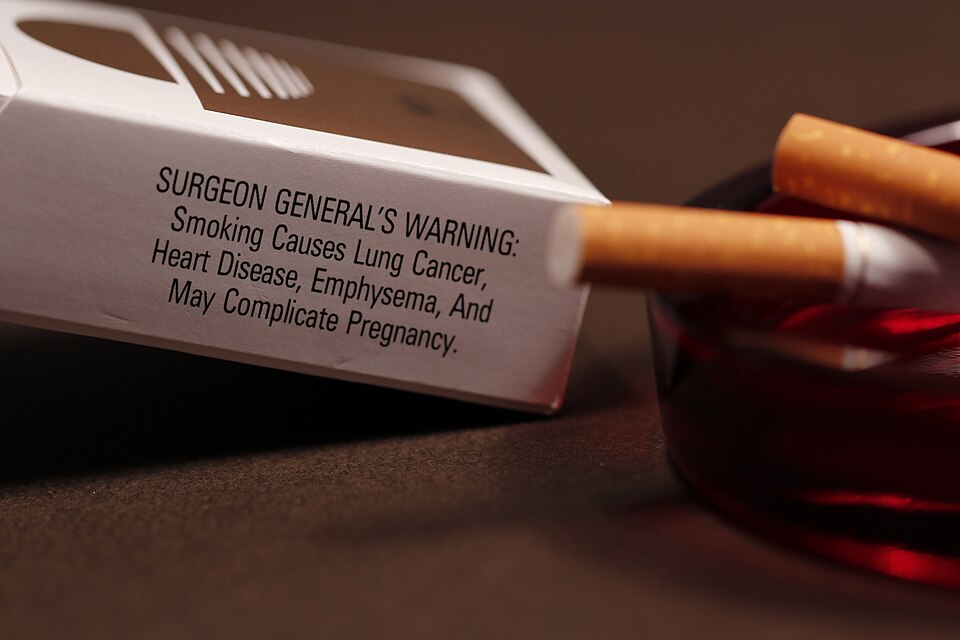
Congress required a health warning on every cigarette pack from 1966; TV and radio cigarette ads were banned from 1971. Source: Federal Cigarette Labeling and Advertising Act (1965).
Treatment & recovery
Dole and Nyswander showed daily methadone stabilizes people with heroin addiction, founding medication treatment for opioid addiction. Source: Dole VP, Nyswander M, JAMA 1965.

Epidemics & trends
U.S. adult smoking fell from 42% in 1965 to about 12% in 2021, one of the century's largest public health successes. Source: CDC National Health Interview Survey.
Treatment & recovery
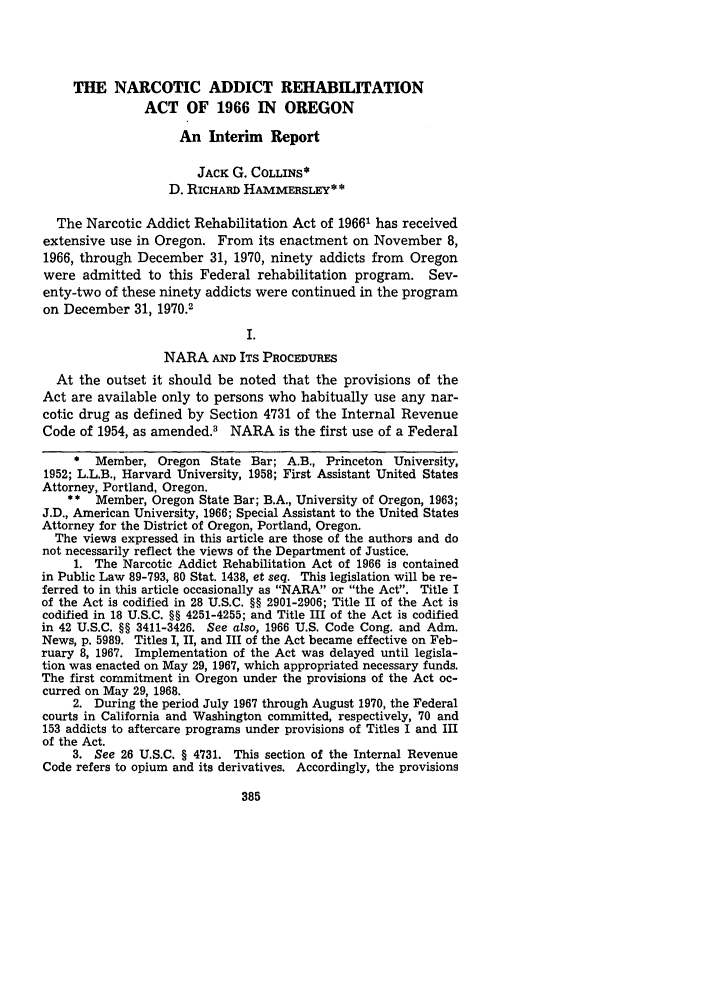
The Narcotic Addict Rehabilitation Act of 1966 (NARA) authorized the civil commitment of narcotic addicts, and federal assistance to state and local governments to develop a local system of drug treatment programs. With respect to the latter, the National Institute of Mental Health (NIMH) initially proposed the gradual implementation of the state assistance effort, mainly through a common mental health mechanism—inpatient treatment programs. However, because of a perceived pressing need, the courts began to commit addicts to these programs even before they were officially opened or staffed. Overwhelmed, most programs were forced to provide less costly services on an outpatient basis, which subsequently became the primary setting for addiction treatment. (Courtwright, 1992; Bestamen, 1992) The NARA legislation imposed the following contract requirements on treatment centers: (1) thrice-a-week counseling sessions; (2) weekly urine tests; (3) restorative dental services; (4) psychological consultations and vocational training; and (5) the treatment modalities of drug-free outpatient, therapeutic community, and methadone maintenance (interview of Karst Besteman by Richard A. Rettig, December 20, 1993; hereafter Besteman interview2). These policy developments were accompanied by changes in the federal agencies responsible for narcotics. Reorganization Plan No. 1 of 1968 transferred the primary functions of the Federal Bureau of Narcotics (FBN) from the Treasury Department to the Department of Justice; it also transferred the DHEW Bureau of Drug Abuse Control functions to the Department of Justice. Within the Justice Department, the Bureau of Narcotics and Dangerous Drugs (BNDD) was created, which became the Drug Enforcement Administration in 1973. DHEW responsibilities for narcotic addiction treatment were lodged in the NIMH. The NIMH nucleus eventually became the basis for the National Institute on Drug Abuse.
Neuroscience
Pickens and Thompson showed that rats readily self-administer intravenous cocaine and adjust their intake to the dose and the work required, establishing cocaine self-administration. Source: Pickens et al., J Pharmacol Exp Ther 1968.
Policy & institutions
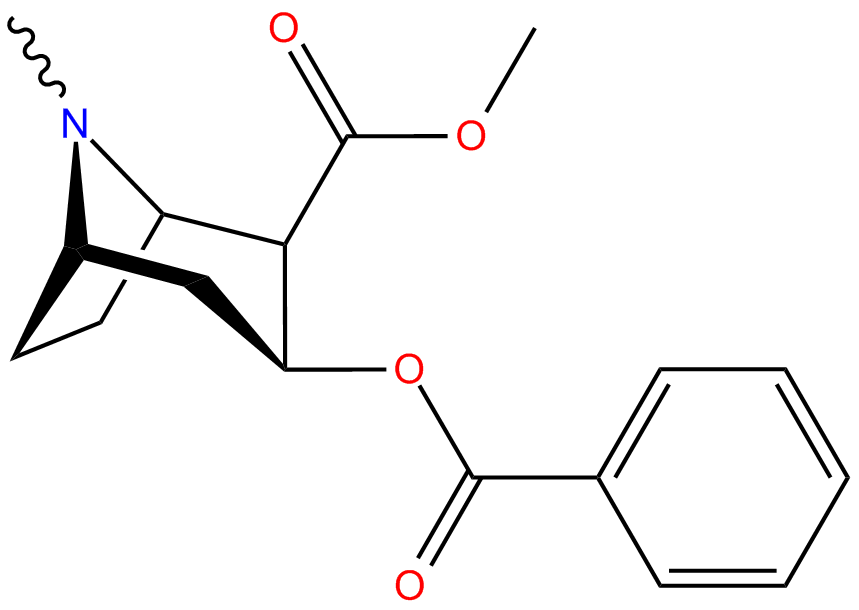
Created the federal drug schedules still used today. Heroin, LSD, psilocybin, and cannabis went into Schedule I, halting most psychedelic research for decades. Source: Controlled Substances Act (1970).
Neuroscience
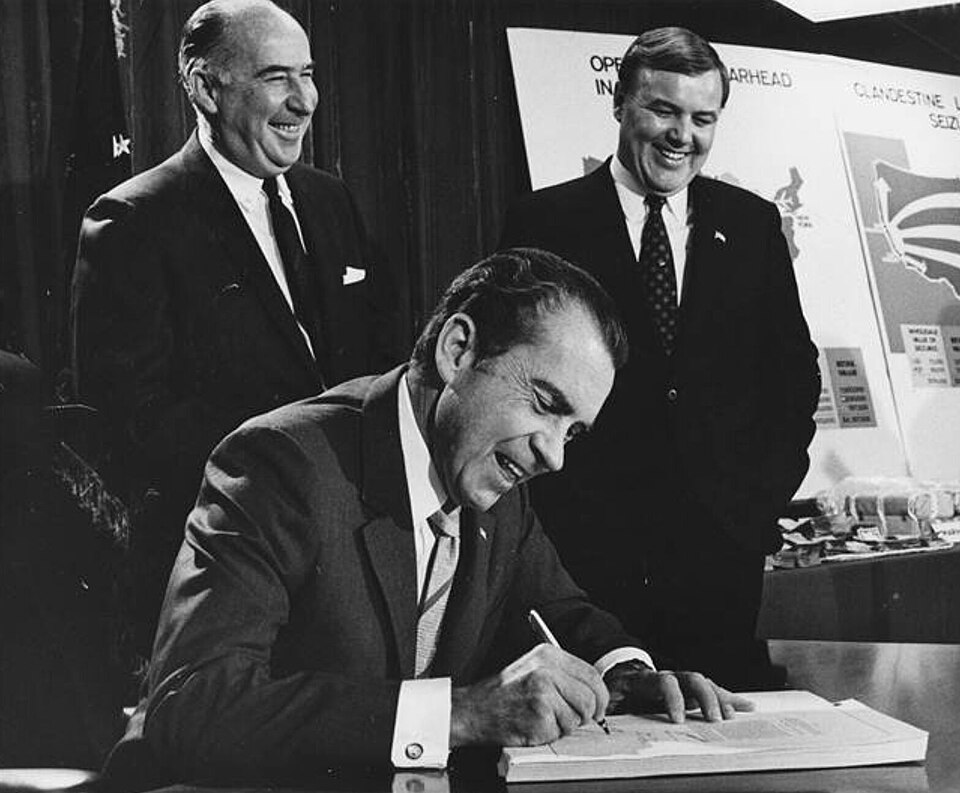
Changeux and colleagues used a snake toxin to isolate the nicotinic acetylcholine receptor, the target of nicotine; it was cloned in 1982. Source: Changeux et al., Proc Natl Acad Sci U S A 1970; Noda et al., Nature 1982.
Policy & institutions
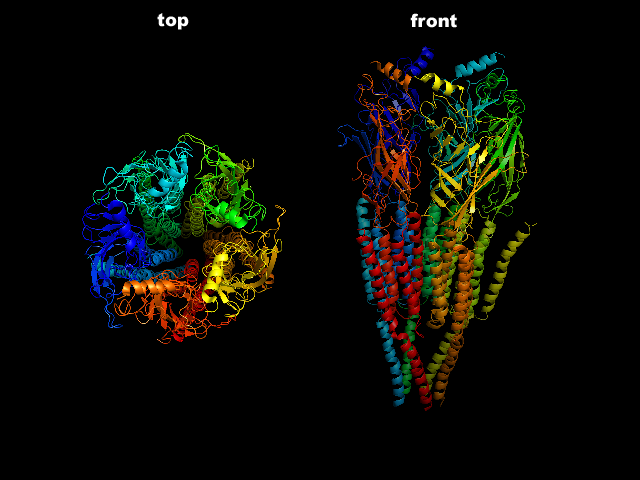
Championed by Senator Harold Hughes, the act established the National Institute on Alcohol Abuse and Alcoholism and treated alcoholism as a public health problem. Source: NIAAA history.
Treatment & recovery
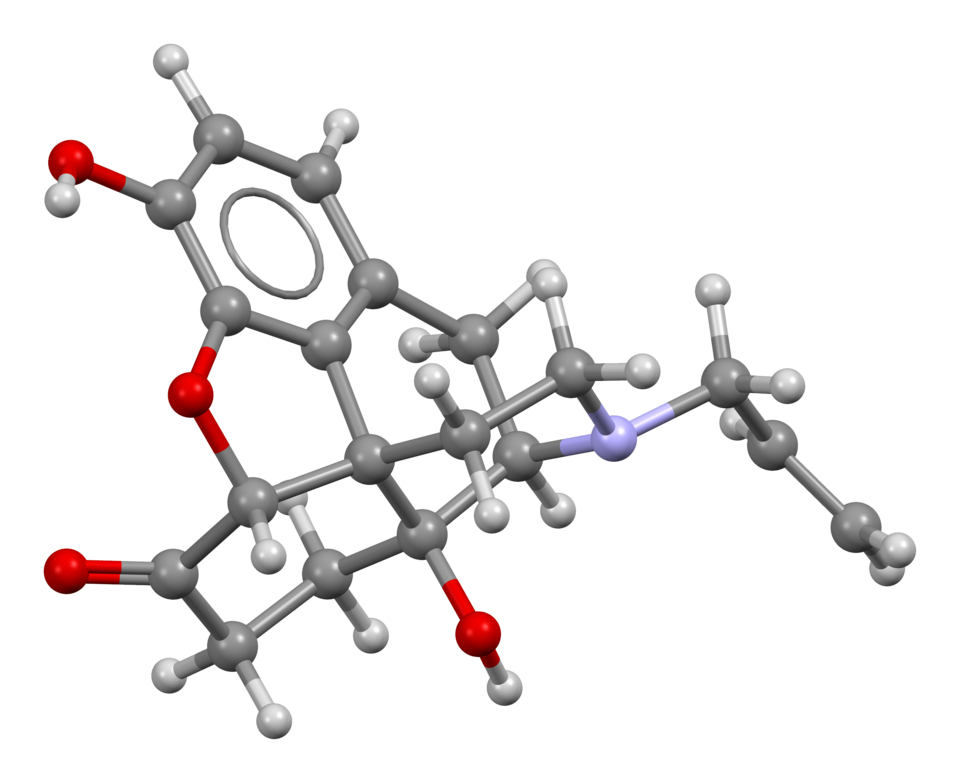
Naloxone, an opioid blocker that rapidly reverses overdose, was approved as an injection. Source: FDA.
Policy & institutions
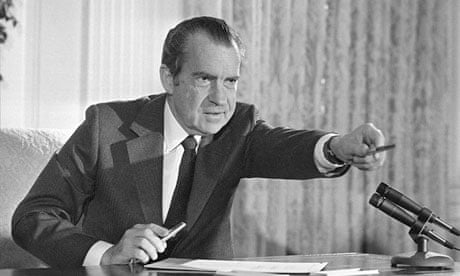
In June 1971, Nixon officially declared a “War on Drugs,” stating that drug abuse was “public enemy number one.” A rise in recreational drug use in the 1960s likely led to President Nixon’s focus on targeting some types of substance abuse. As part of the War on Drugs initiative, Nixon increased federal funding for drug-control agencies and proposed strict measures, such as mandatory prison sentencing, for drug crimes. He also announced the creation of the Special Action Office for Drug Abuse Prevention (SAODAP), which was headed by Dr. Jerome Jaffe. Nixon went on to create the Drug Enforcement Administration (DEA) in 1973. This agency is a special police force committed to targeting illegal drug use and smuggling in the United States. At the start, the DEA was given 1,470 special agents and a budget of less than $75 million. Today, the agency has nearly 5,000 agents and a budget of $2.03 billion.
Treatment & recovery
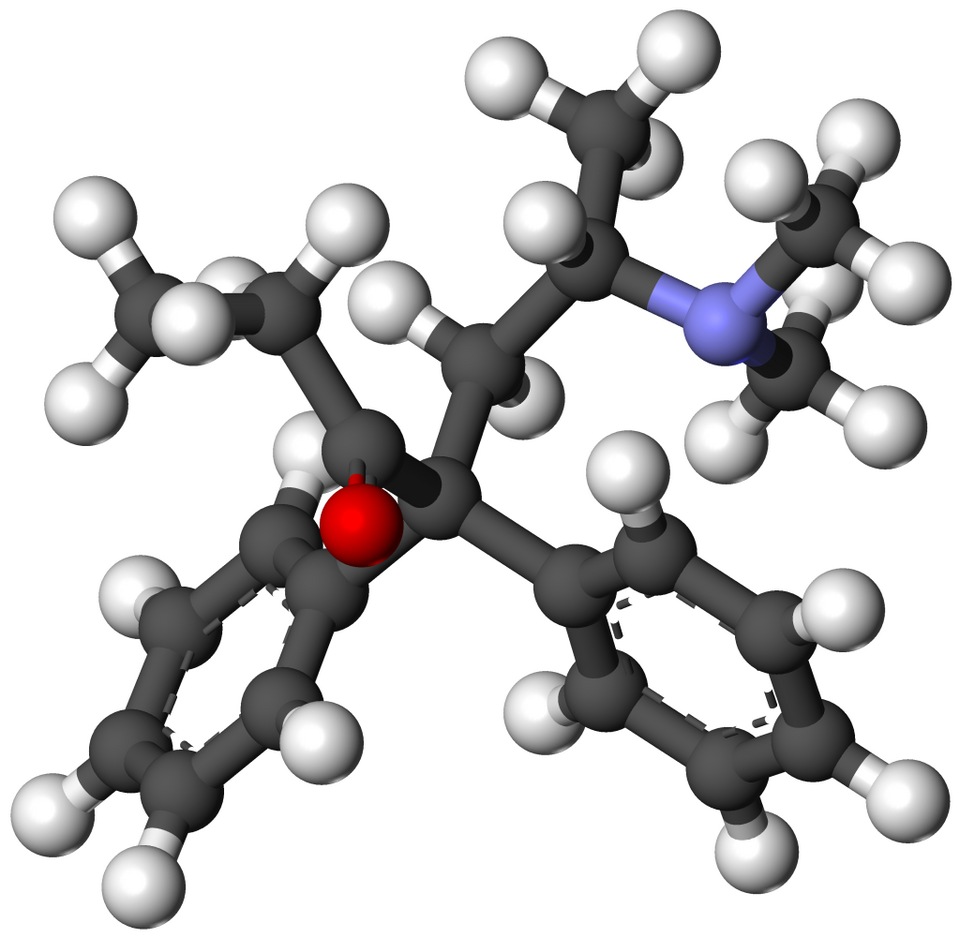
Federal rules approved methadone maintenance for opioid addiction in licensed treatment programs. Source: FDA (1972).
Neuroscience
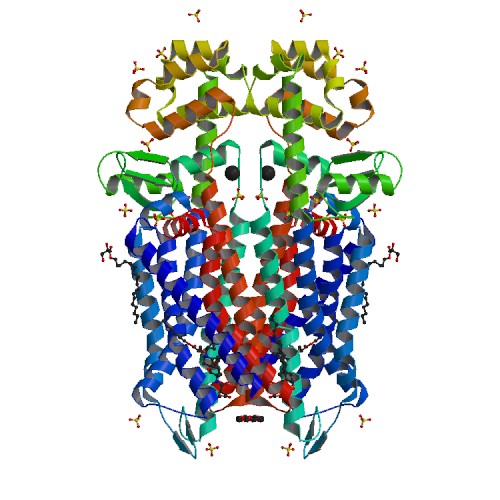
Opioid receptors were found in the brain (1973), followed by the brain's own opioids, the enkephalins (1975). Source: Pert CB, Snyder SH, Science 1973; Hughes J et al., Nature 1975.
Policy & institutions
The National Institute on Drug Abuse (NIDA) was established as a federal scientific research institute under the National Institutes of Health. NIDA's mission is to advance science on the causes and consequences of drug use and addiction and to apply that knowledge to improve individual and public health.
Diagnosis
Edwards and Gross defined dependence as a cluster of signs (tolerance, withdrawal, compulsion), the basis of later DSM and ICD criteria. Source: Edwards G, Gross MM, BMJ 1976.
Neuroscience
Two groups found high-affinity binding sites for benzodiazepines in the brain, later shown to be part of the GABA-A receptor, the target of benzodiazepines and barbiturates. Source: Möhler, Science 1977; Braestrup et al., Nature 1977.

Diagnosis
Experience with DSM, Third Edition (DSM–III) revealed inconsistencies in the system and instances in which the diagnostic criteria were not clear. Therefore, APA appointed a work group to revise DSM–III, which developed the revisions and corrections that led to the publication of DSM–III–R in 1987. The DSM-III requirement of a physiological criterion being present for a dependence diagnosis was controversial, but the debate continues. Perhaps the physiological criteria have been emphasized because they resemble a biological marker for the disease (Cottler and Compton, 1993). Among substance users, tolerance and withdrawal appear rare, whereas 86–99 percent of persons with dependence on alcohol, amphetamines, cannabis, cocaine, opiates, sedatives or nicotine report tolerance, withdrawal, or both (Cottler et al., 1995a). In fact, it has been reported that the withdrawal criterion fails to distinguish persons with harmful substance use from other persons, particularly among adolescents (Langenbucher et al., 2000). Less than one-third of adolescents in SUD treatment experience withdrawal (Stewart and Brown, 1995; Winters and Stinchfield, 1995; Langenbucher et al., 2000; Mikulich et al., 2001).
Neuroscience
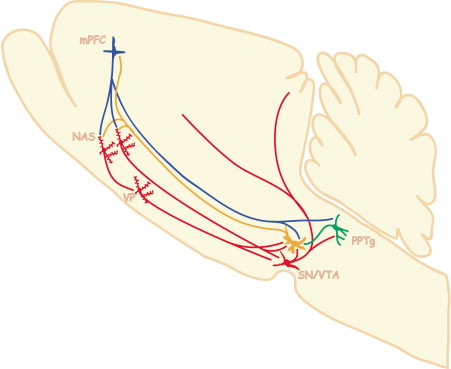
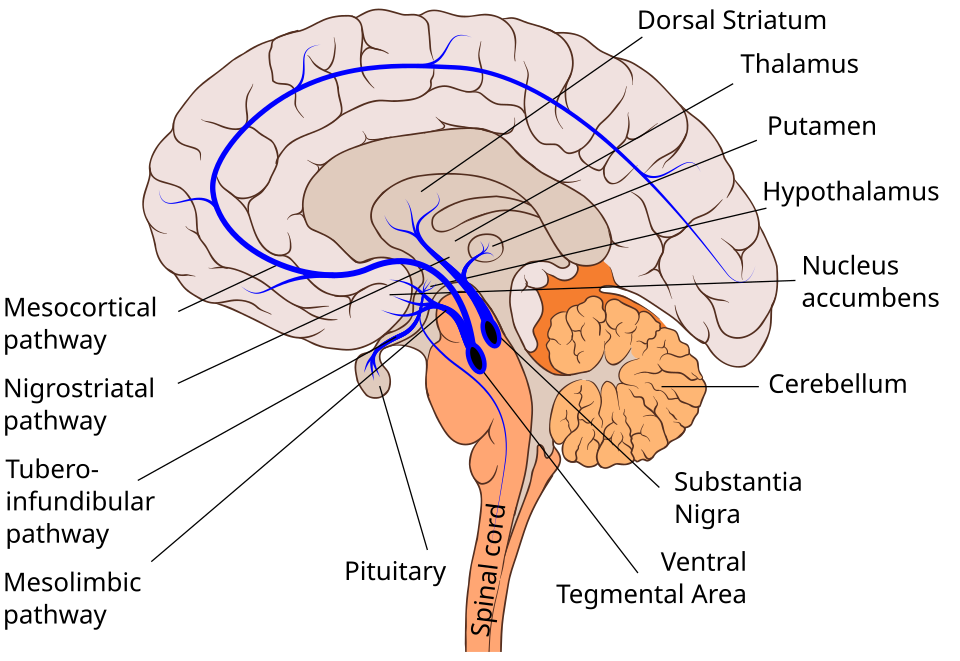
Mesolimbic dopamine reward hypothesis of addiction, Wise (1980) - Wise created one of the first theories on the action of drug abuse on the brain reward system that showed an action on a key dopaminergic synapse. In his paper Wise outlined two synaptic elements of the brain reward system. One being “high-frequency-sensitive, fast-conducting, myelinated fibers” found in the medial forebrain bundle (Wise, 1980) . The second being the ventral tegmental dopamine system. Past pharmacological studies argued that reward sites were afferent to a critical dopaminergic synapse. The myelinated fibers found in the medial forebrain could possibly synapse on the dopamine link. In this paper Wise did not identify the mesolimbic dopamine system, but referred to the ventral tegmentum for specific dopamine pathways. Wise’s theory guided following research in the area of neurobiology of drug abuse.
Psychomotor stimulant theory of addiction, Wise and Bozarth (1987) - The theory is based on the premise that addiction is the same as operant reinforcement. The theory also states that independent psychomotor stimulant properties work as predictors of if a drug will be reinforcing in an operant situation. The reinforcing effects of drugs determine the extent of how addictive a drug can be, which can be predicted by the drugs ability to induce psychomotor activation. Glickman and Schiff (1967) idea that action of the medial forebrain can evoke approach behaviors and positive reinforcement was used as the foundation for Wise’s theory.
Mesolimbic Dopamine Reward Hypothesis of Addiction: Update, Wise (2002) - This version focused more on “neuroadaptations associated with the learning of the drug seeking habit” than locomotion (Wise, 2002). The idea Wise presented was that memories from early drug experiences “‘stamp in’ learned associations and response habits” through the same reinforcement process that stamps in everyday habits (Wise, 2002). The framework of the theory focuses on a neuroadaptational perspective within the realm of the mesolimbic dopamine system which Wise hypothesized to make up a significant part of the endogenous circuitry which is used to shape habits by way of the cortical inputs and nucleus accumbens output. Wise makes the argument that ordinary pleasures trans-synaptically activate the mesolimbic dopamine system, whereas drugs of abuse directly activate it.
Neuroscience
De Wit and Stewart showed that a priming dose of drug reinstates extinguished cocaine seeking in rats, the most widely used animal model of relapse. Source: de, Psychopharmacology (Berl) 1981.
Neuroscience
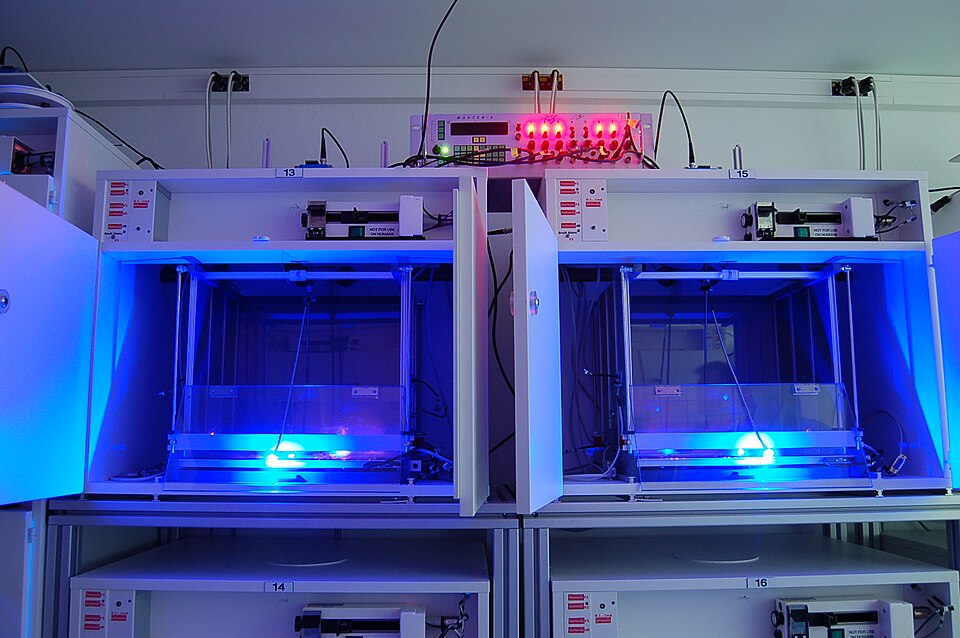
Snyder and colleagues showed that caffeine's stimulant effects come from blocking adenosine receptors in the brain. Source: Snyder et al., Proc Natl Acad Sci U S A 1981.

Neuroscience
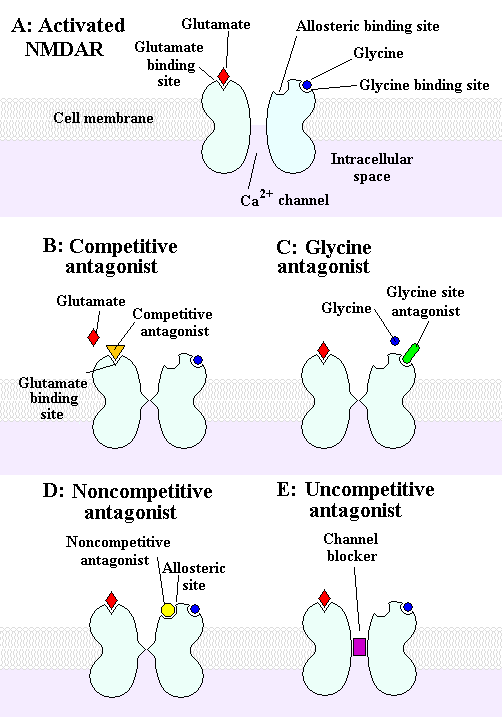
Anis and colleagues showed that the dissociative drugs ketamine and phencyclidine (PCP) selectively block NMDA glutamate receptors. Source: Anis et al., Br J Pharmacol 1983.
Epidemics & trends
Crack epidemic, the significant increase in the use of crack cocaine, or crack, in the United States during the early 1980s. Crack cocaine was popularized because of its affordability, its immediate euphoric effect, and its high profitability. The crack epidemic had particularly devastating effects within the African American communities of the inner cities by causing the increase of addictions, deaths, and drug-related crimes.

Treatment & recovery
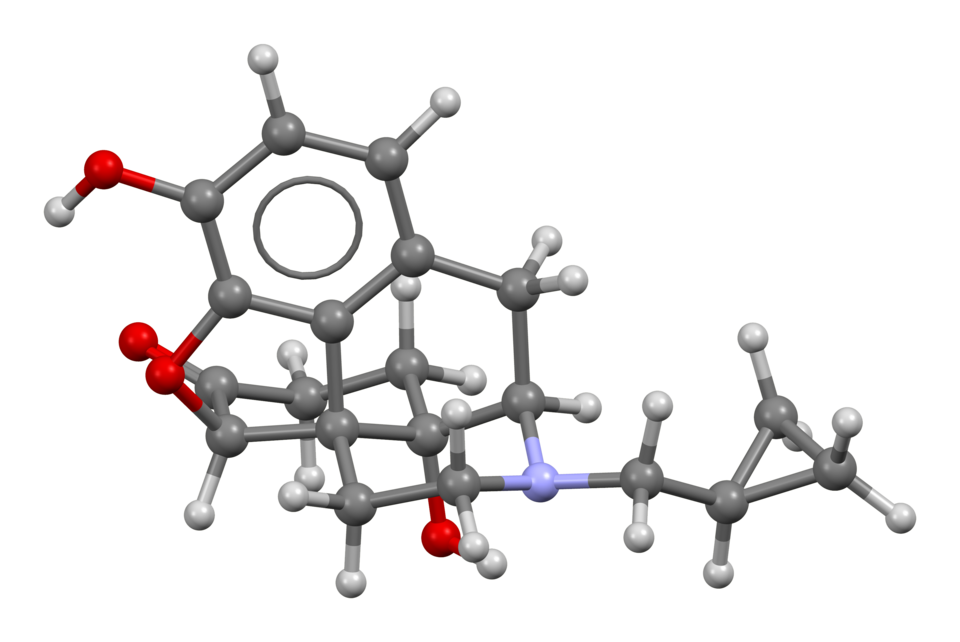
Naltrexone blocks the effects of opioids and was approved to prevent relapse to opioid use. Source: FDA (1984).
Treatment & recovery
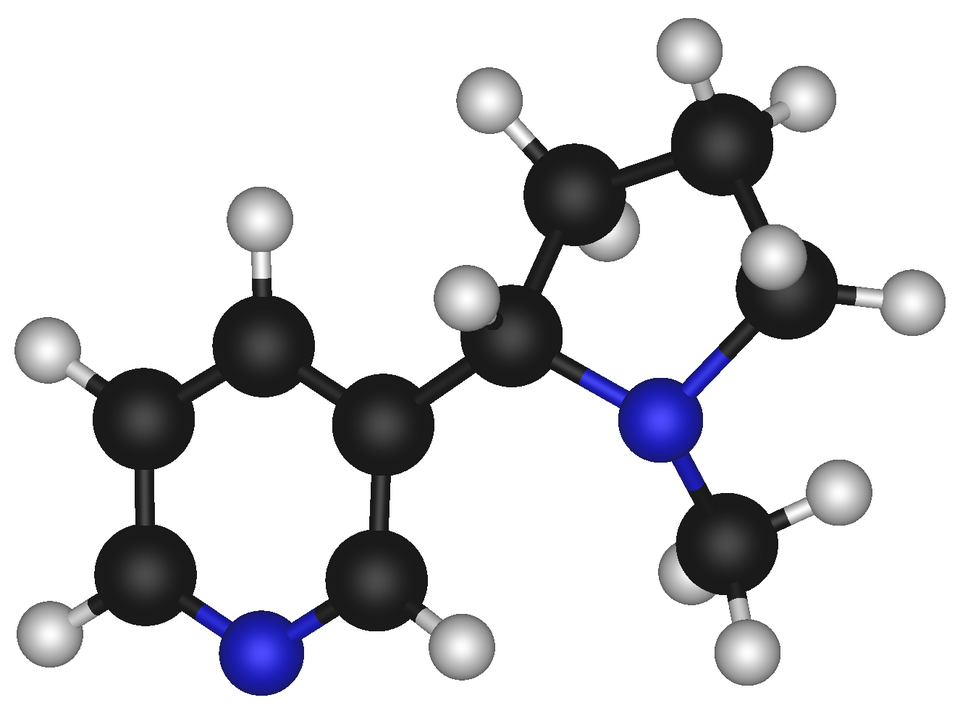
Nicorette became the first nicotine replacement therapy, first by prescription, then over the counter in 1996. Source: FDA (1984).
Policy & institutions
States had to set the minimum legal drinking age at 21 or lose federal highway funds. Source: National Minimum Drinking Age Act (1984).
Neuroscience
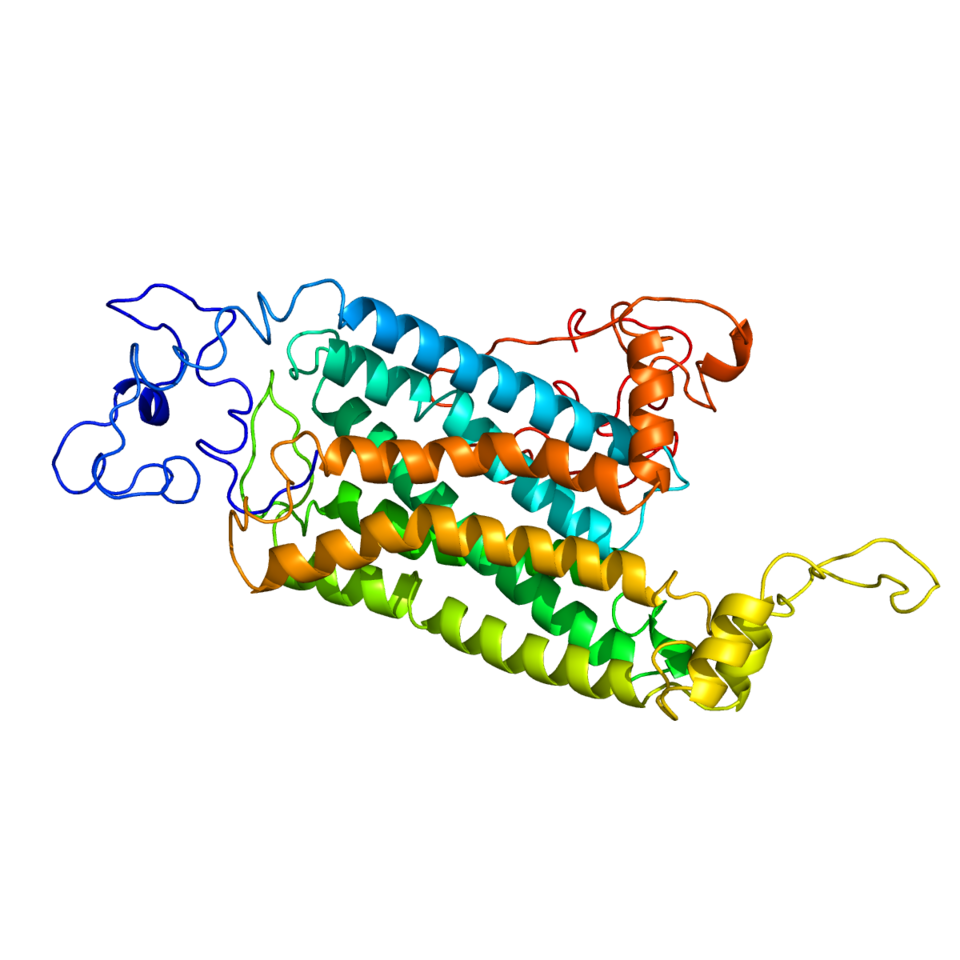
Glennon, Titeler, and McKenney showed that the potency of hallucinogens tracks their affinity for serotonin 5-HT2 receptors, identifying the psychedelic target. Source: Glennon et al., Life Sci 1984.
Neuroscience
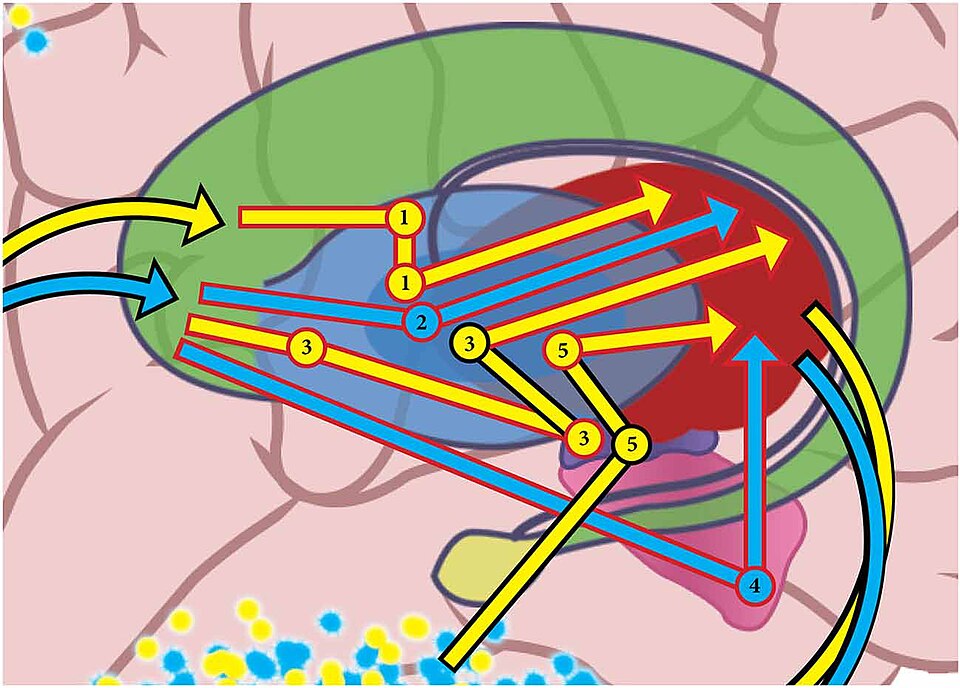
Alexander, DeLong, and Strick described parallel, segregated loops linking the cortex, basal ganglia, and thalamus, a framework later used to explain how drug use shifts from goal-directed to habitual control. Source: Alexander et al., Annu Rev Neurosci 1986.
Policy & institutions
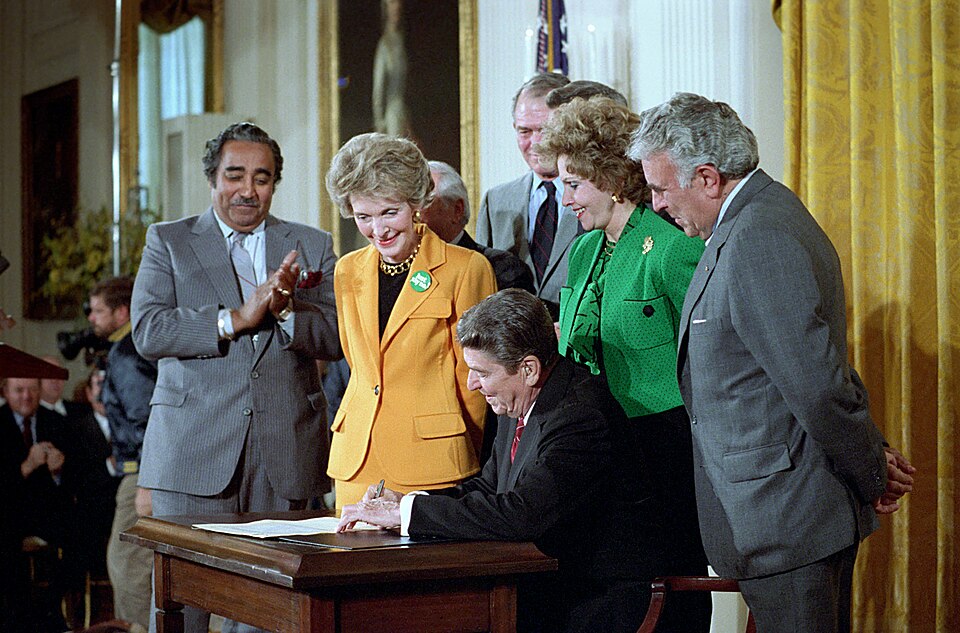
Introduced mandatory minimums and a 100-to-1 crack/powder cocaine sentencing disparity, reduced to 18-to-1 in 2010. Source: Anti-Drug Abuse Act (1986); Fair Sentencing Act (2010).
Neuroscience
Suzdak and colleagues showed that a drug acting at the GABA-A receptor blocks many effects of alcohol, implicating the receptor as a major alcohol target. Source: Suzdak et al., Science 1986.
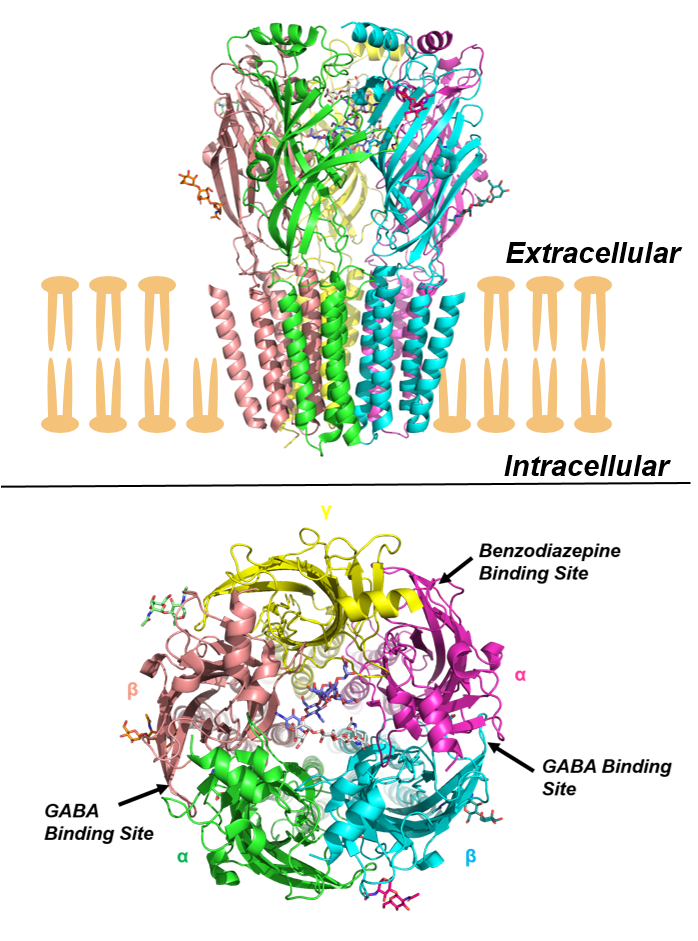
Neuroscience
Schofield and colleagues cloned the GABA-A receptor and showed it belongs to the same family of ligand-gated ion channels as the nicotinic receptor. Source: Schofield et al., Nature 1987.
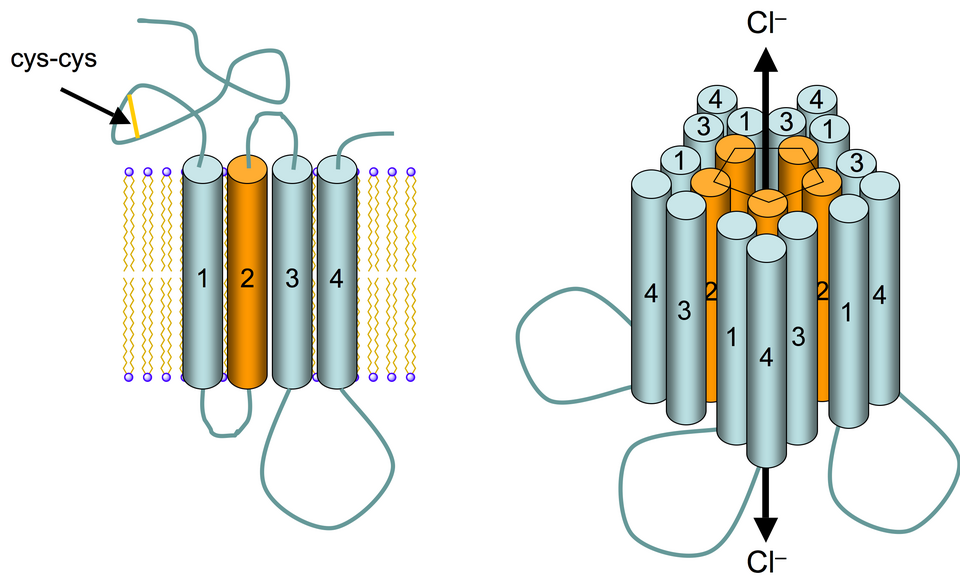
Neuroscience
Ritz, Lamb, Goldberg, and Kuhar showed that cocaine-like drugs' potency for self-administration matches their binding to the dopamine transporter, the dopamine hypothesis of cocaine reward. Source: Ritz et al., Science 1987.
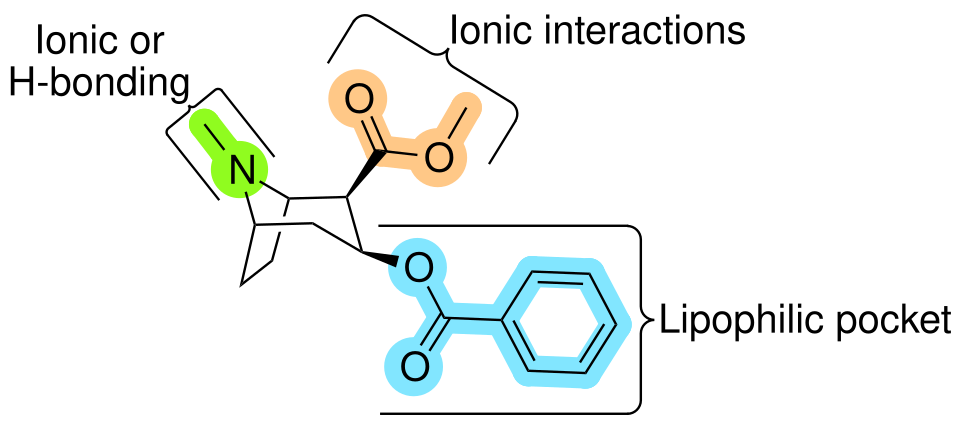
Neuroscience
Di Chiara and Imperato showed that drugs abused by humans preferentially increase dopamine in the nucleus accumbens. Source: Di Chiara G, Imperato A, PNAS 1988.

Diagnosis
C. Everett Koop's report concluded that nicotine is addictive, through processes similar to heroin and cocaine addiction. Source: Surgeon General's Report on Nicotine Addiction (1988).
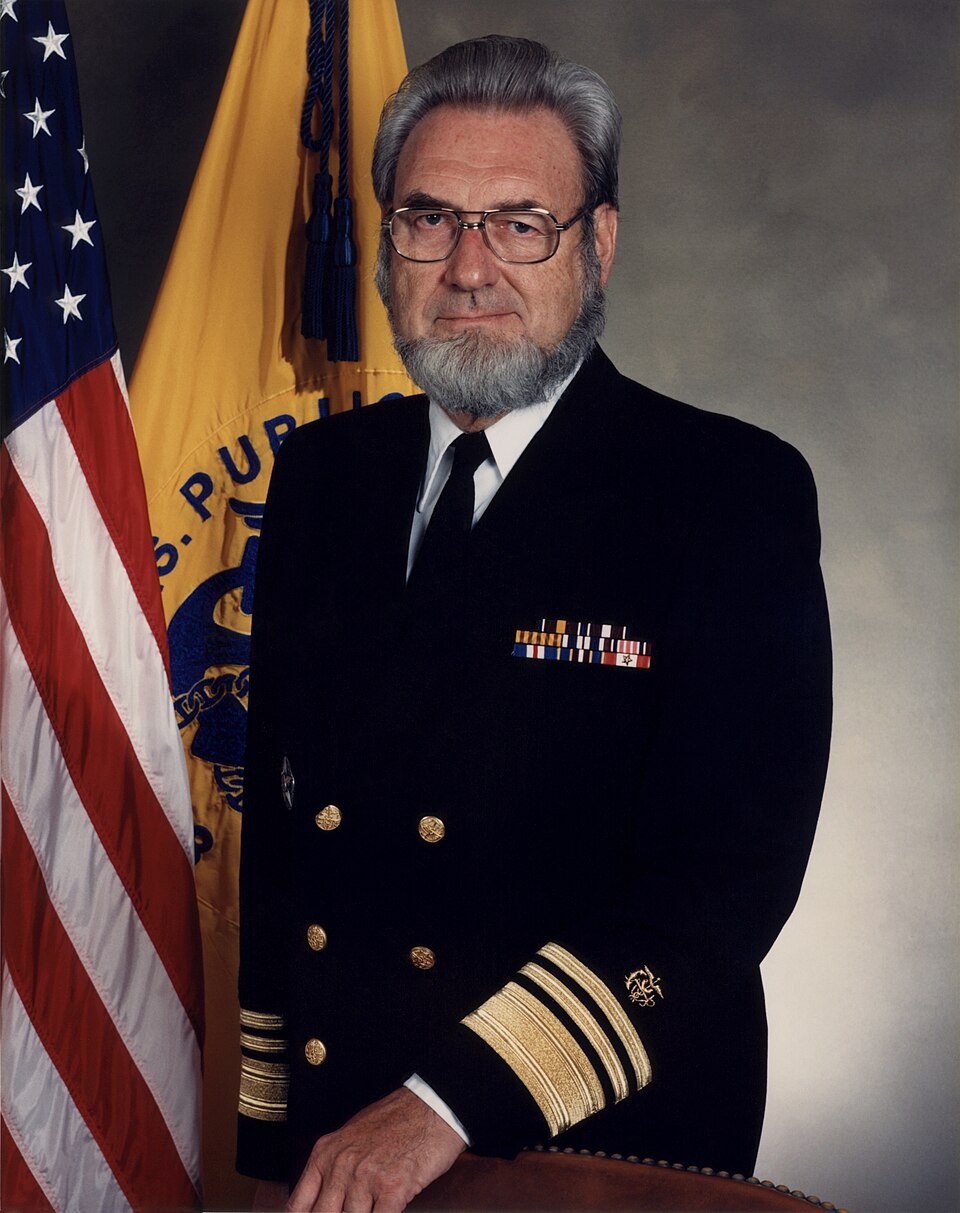
Neuroscience
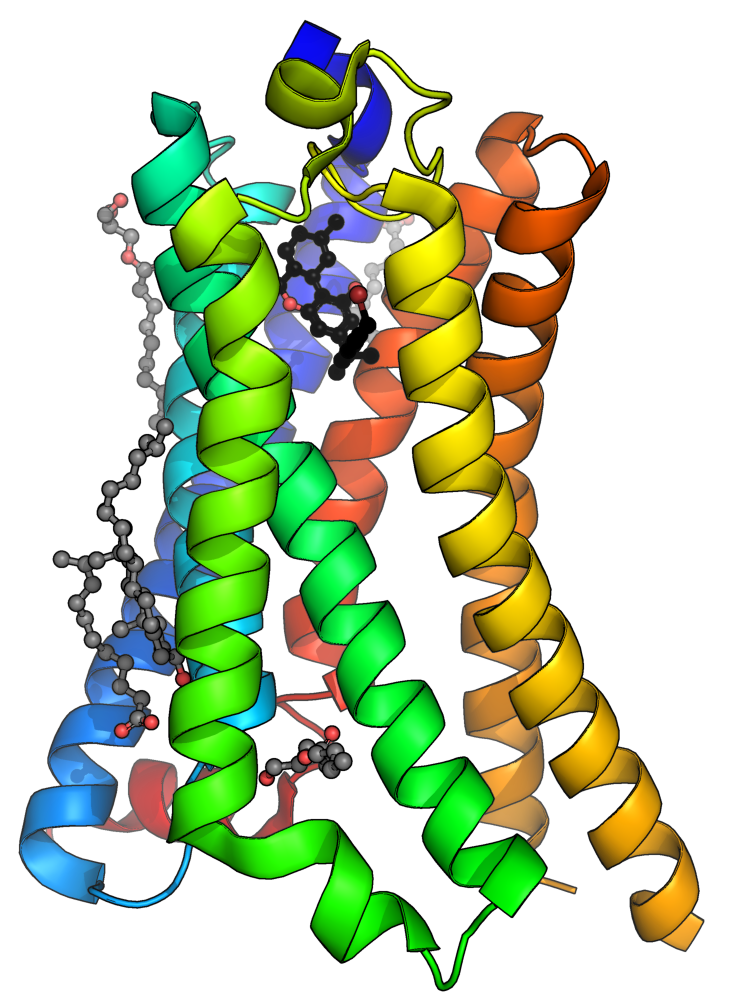
Devane and colleagues identified a specific cannabinoid receptor in rat brain, later cloned as CB1 (1990). Source: Devane et al., Mol Pharmacol 1988.
Neuroscience
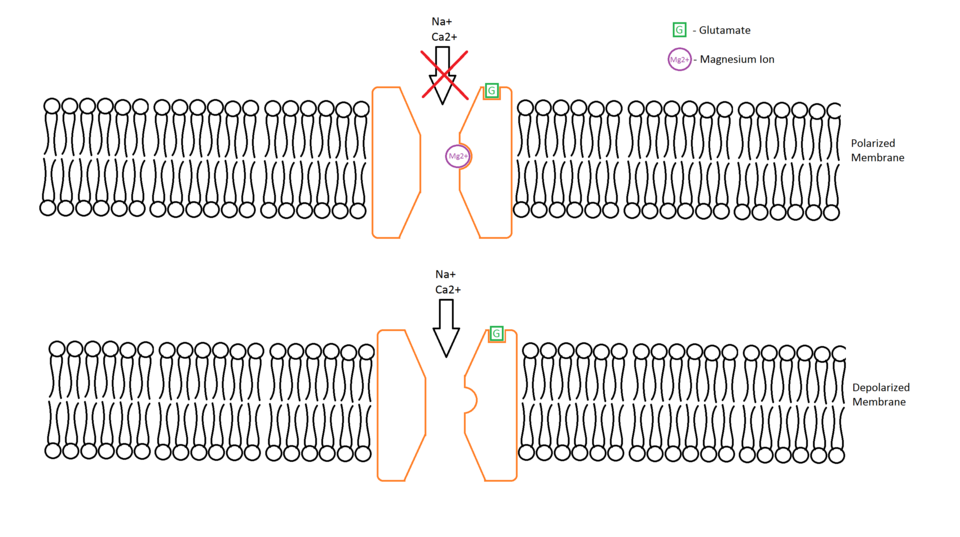
Lovinger, White, and Weight showed that alcohol at intoxicating concentrations inhibits NMDA glutamate receptors. Source: Lovinger et al., Science 1989.
Neuroscience
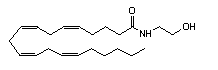
The CB1 cannabinoid receptor was cloned (1990), then anandamide, the first endogenous cannabinoid, was found (1992). Source: Matsuda LA et al., Nature 1990; Devane WA et al., Science 1992.
Treatment & recovery
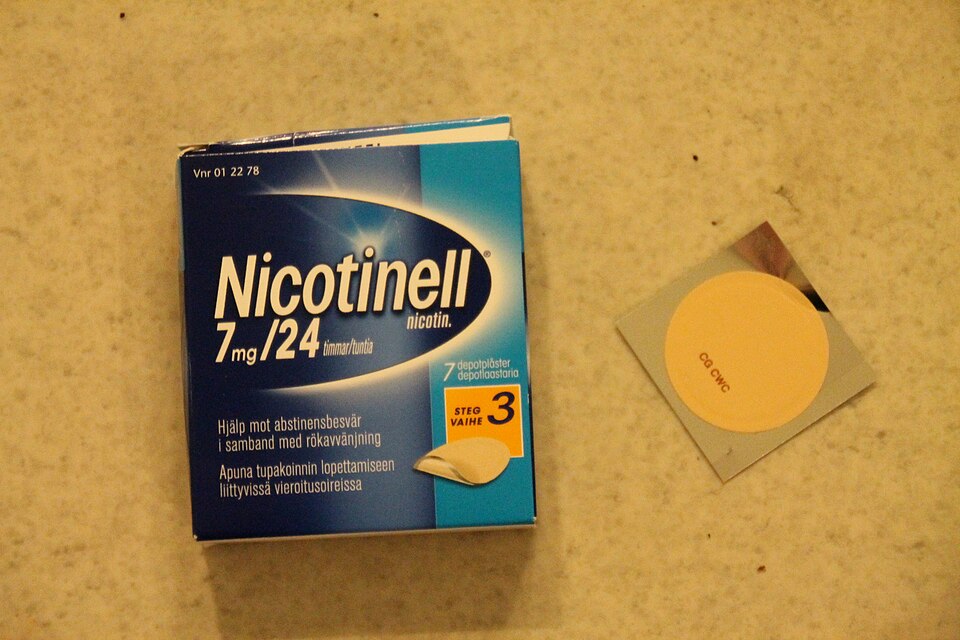
Transdermal nicotine patches were approved by prescription, and over the counter from 1996. Source: FDA (1991).
Neuroscience
Variants of ADH1B and ALDH2 that cause flushing after drinking were found to protect against alcoholism, still the strongest genetic protective effects known. Source: Thomasson et al., Am J Hum Genet 1991.
Neuroscience
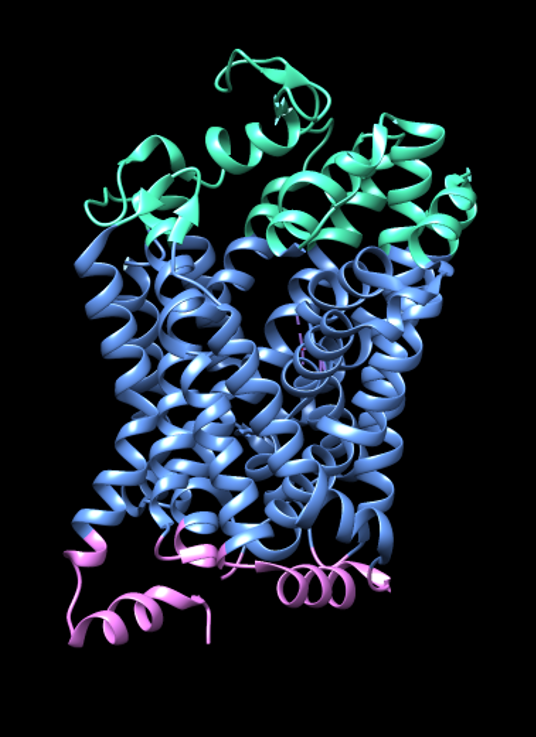
Kilty, Lorang, and Amara cloned a cocaine-sensitive dopamine transporter, the molecular target of cocaine and amphetamine. Source: Kilty et al., Science 1991.
Neuroscience
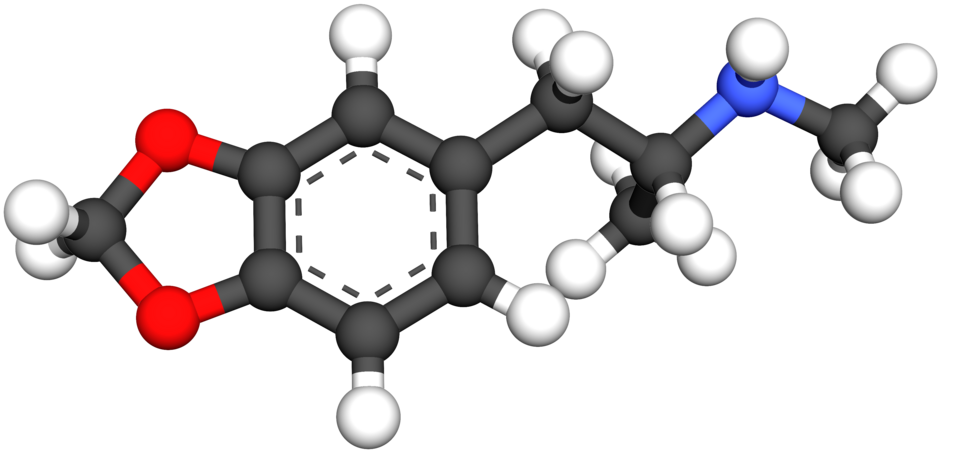
Rudnick and Wall showed that MDMA targets the serotonin transporter, causing massive serotonin release. Source: Rudnick, Proc Natl Acad Sci U S A 1992.
Policy & institutions
The Substance Abuse and Mental Health Services Administration was created to lead federal addiction and mental health services. Source: ADAMHA Reorganization Act (1992).

Neuroscience
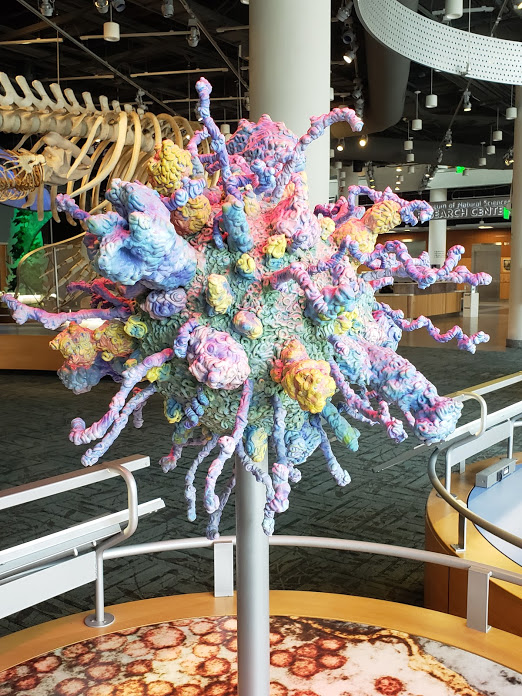
Erickson and colleagues cloned VMAT2, which packages dopamine into vesicles and is a key target of amphetamine and methamphetamine. Source: Erickson et al., Proc Natl Acad Sci U S A 1992.
Neuroscience
The delta opioid receptor was cloned by two groups in 1992, followed by the mu receptor, the main target of morphine, heroin, and fentanyl, in 1993. Source: Evans et al., Science 1992; Kieffer et al., Proc Natl Acad Sci U S A 1992; Chen et al., Mol Pharmacol 1993.
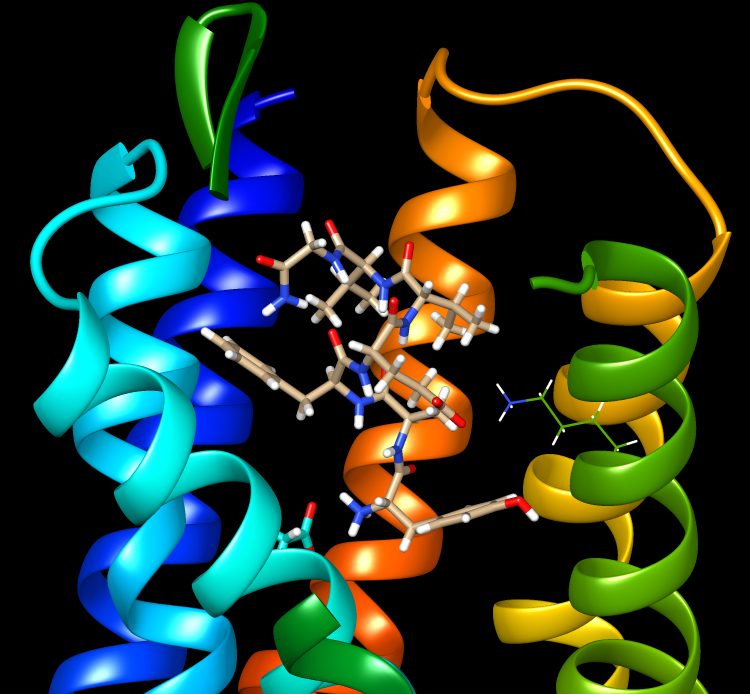
Neuroscience
Robinson and Berridge proposed that drugs sensitize the brain's 'wanting' system, so drug cues become compelling. Source: Robinson TE, Berridge KC, Brain Res Rev 1993.
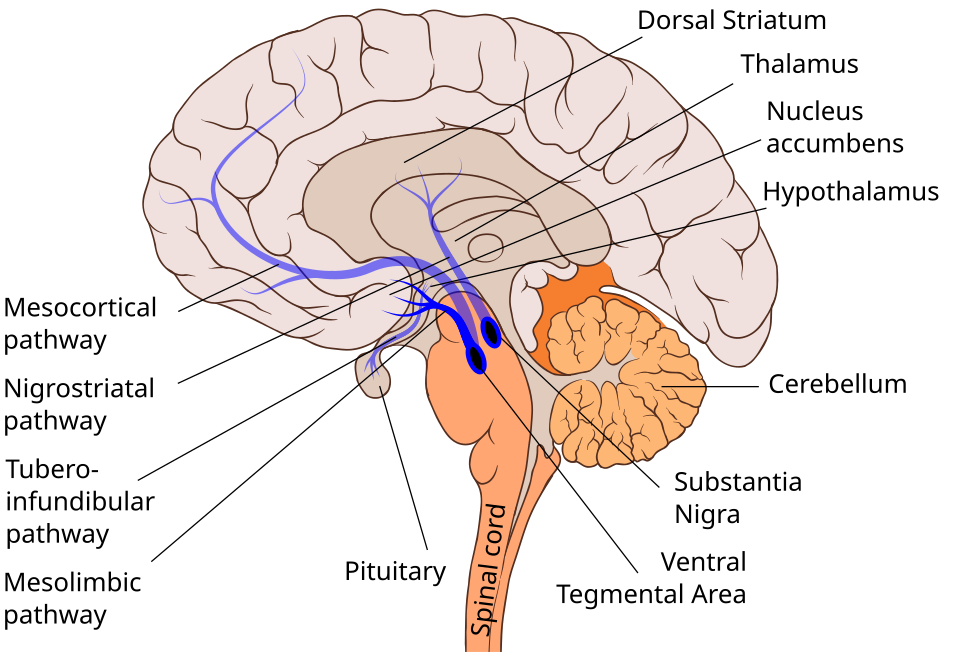
Treatment & recovery
Levomethadyl acetate, a longer-acting alternative to methadone, was approved; it was withdrawn in 2003 over heart-rhythm risks. Source: FDA.
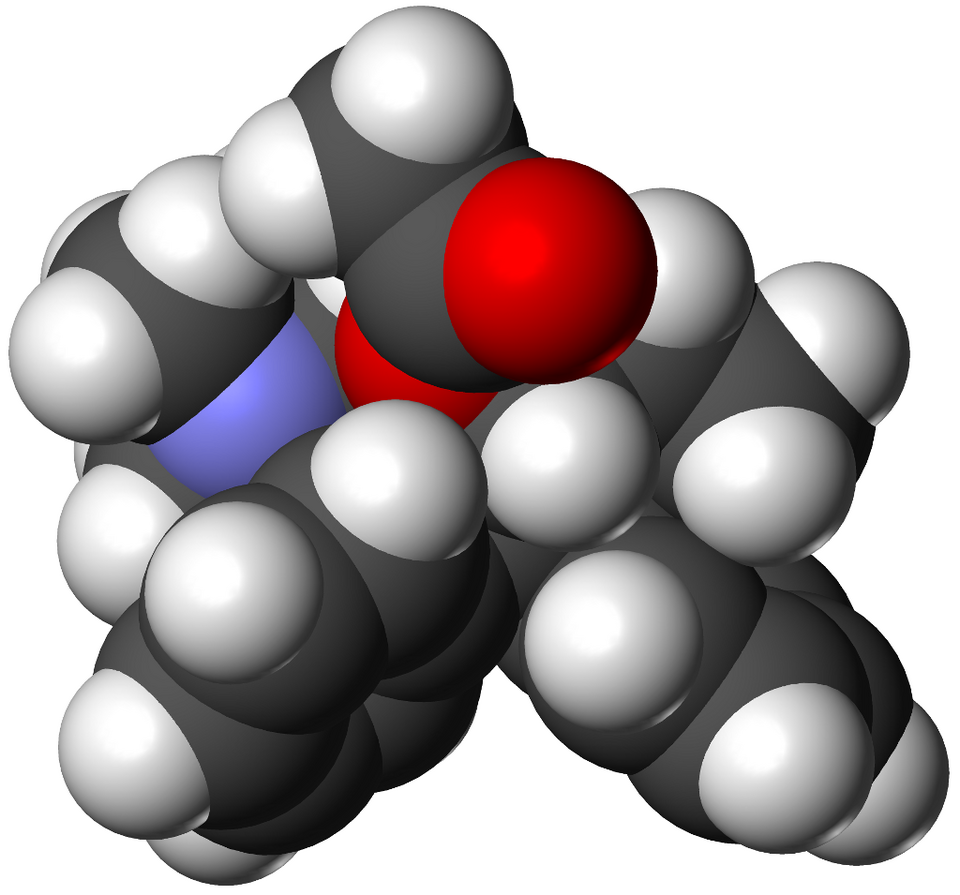
Neuroscience
Volkow and colleagues used PET imaging to show reduced dopamine D2 receptors in people addicted to cocaine, linked to lower frontal cortex activity. Source: Volkow et al., Synapse 1993.
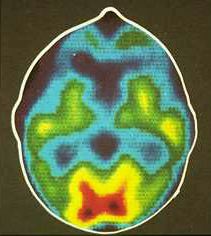
Diagnosis
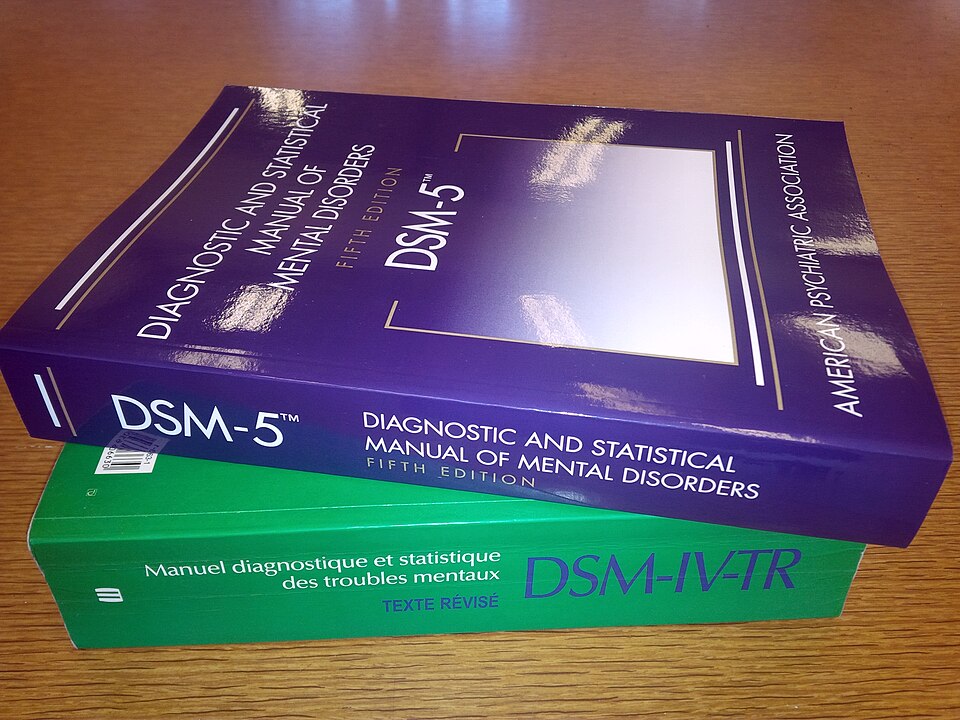
DSM–IV was published in 1994. It was the culmination of a six–year effort that involved more than 1,000 individuals and numerous professional organizations. Much of the effort involved conducting a comprehensive review of the literature to establish a firm empirical basis for making modifications. Numerous changes were made to the classification (e.g., disorders were added, deleted, and reorganized), to the diagnostic criteria sets, and to the descriptive text. Developers of DSM–IV and the 10th edition of the ICD worked closely to coordinate their efforts, resulting in increased congruence between the two systems and fewer meaningless differences in wording. ICD–10 was published in 1992.
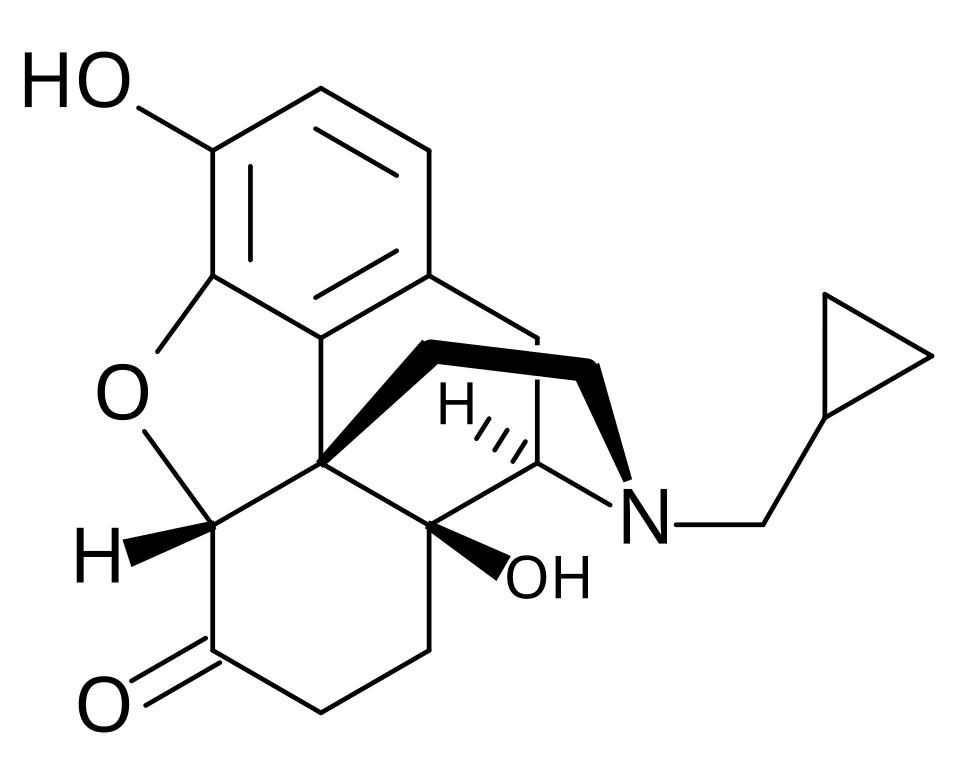
Treatment & recovery
Naltrexone (ReVia) became the second medication approved for alcohol use disorder, reducing heavy drinking. Source: FDA (1994).
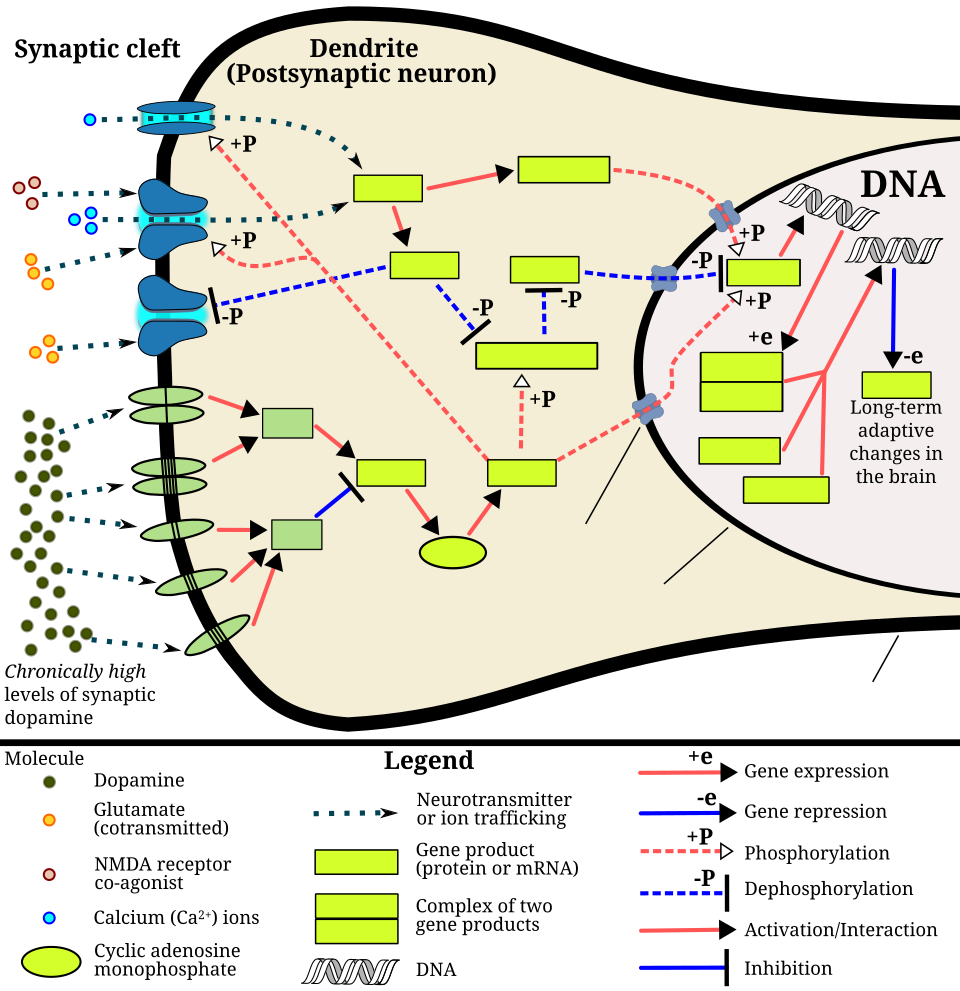
Neuroscience
Chronic drug exposure builds up the unusually stable transcription factor ΔFosB in the nucleus accumbens (1994); raising it increases sensitivity to cocaine (1999). Source: Hope et al., Neuron 1994; Kelz et al., Nature 1999.
Neuroscience
Sulzer and colleagues showed that amphetamine moves dopamine out of synaptic vesicles and drives reverse transport through the dopamine transporter. Source: Sulzer et al., J Neurosci 1995.
Neuroscience
Shaham and Stewart showed that brief stress reinstates heroin seeking in drug-free rats, an effect that mimics the drug rather than withdrawal. Source: Shaham, Psychopharmacology (Berl) 1995.
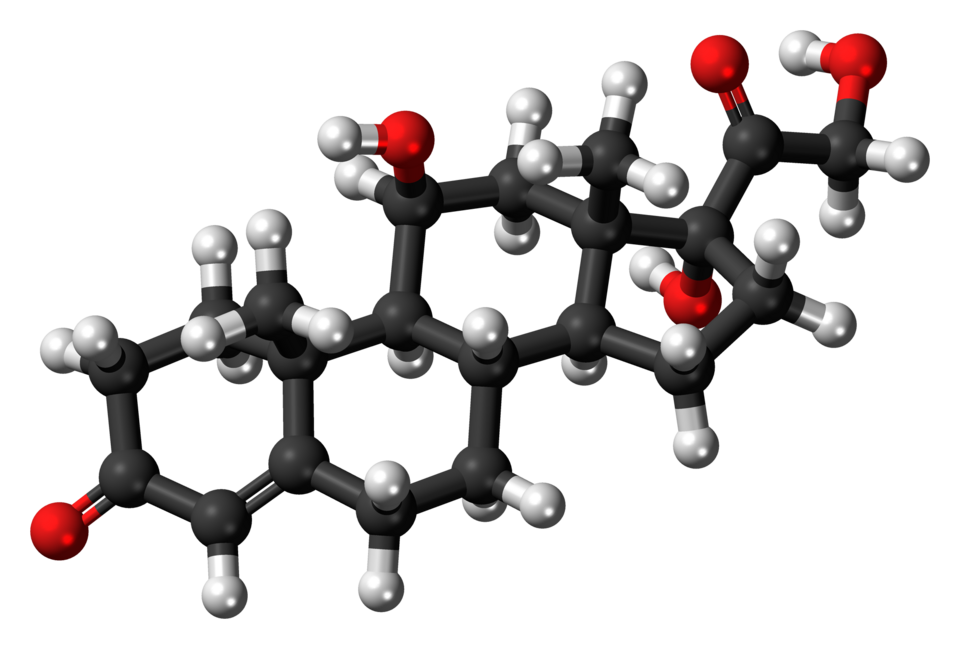
Neuroscience
Merlo Pich and colleagues measured a rise in corticotropin-releasing factor in the amygdala during alcohol withdrawal, a pillar of the 'dark side' of addiction. Source: Merlo et al., J Neurosci 1995.
Epidemics & trends
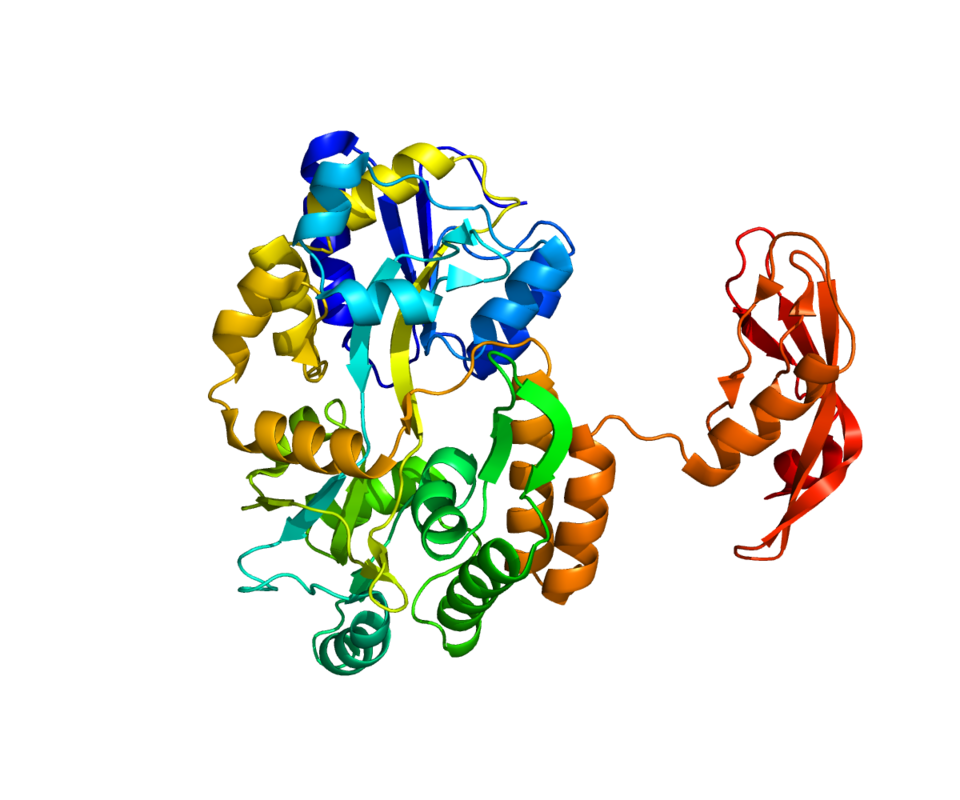
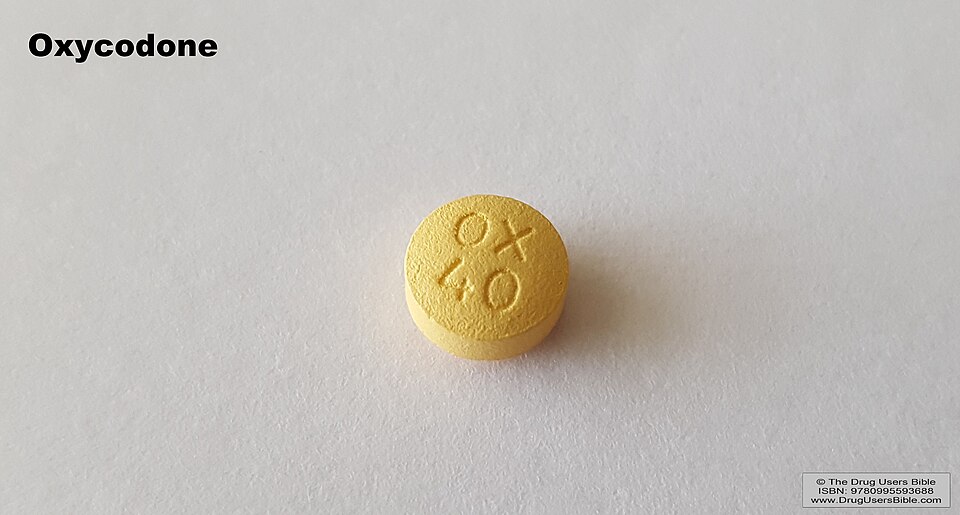
In December 1995, the FDA approved OxyContin, an extended-release formulation of oxycodone. Aggressive marketing campaigns by Purdue Pharma minimized the drug's addiction risks, leading to widespread over-prescription and contributing significantly to the modern opioid epidemic.
Treatment & recovery
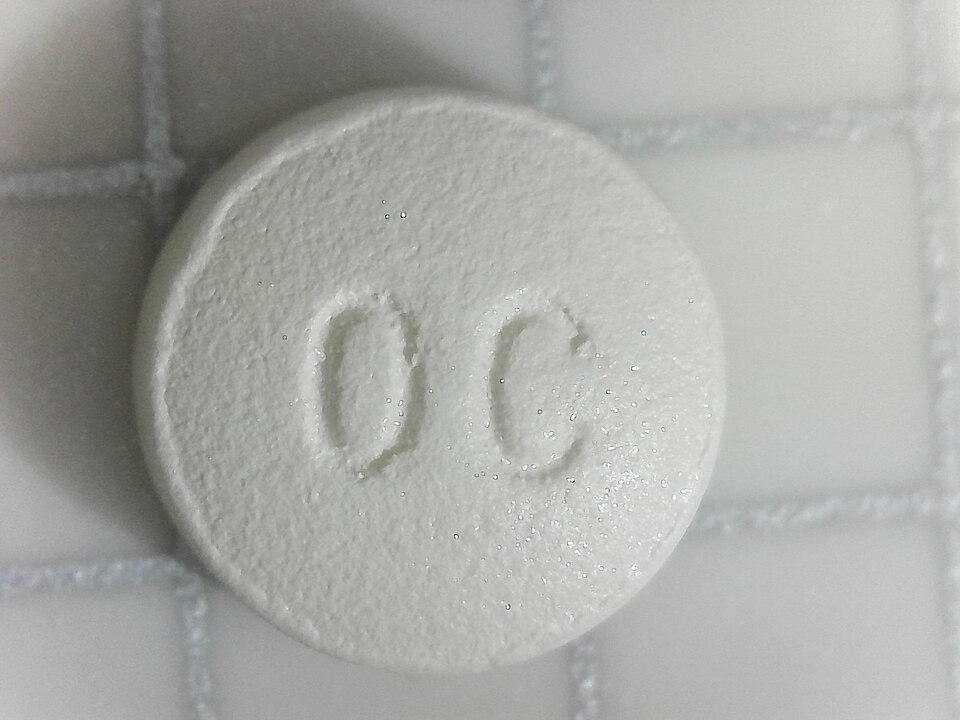
A prescription nicotine nasal spray was approved; a nicotine inhaler followed in 1997. Source: FDA (1996).

Neuroscience
O'Brien and McLellan argued that addiction is a chronic relapsing disorder whose treatment outcomes are comparable to those for diabetes, hypertension, and asthma. Source: O'Brien et al., Lancet 1996.
Neuroscience
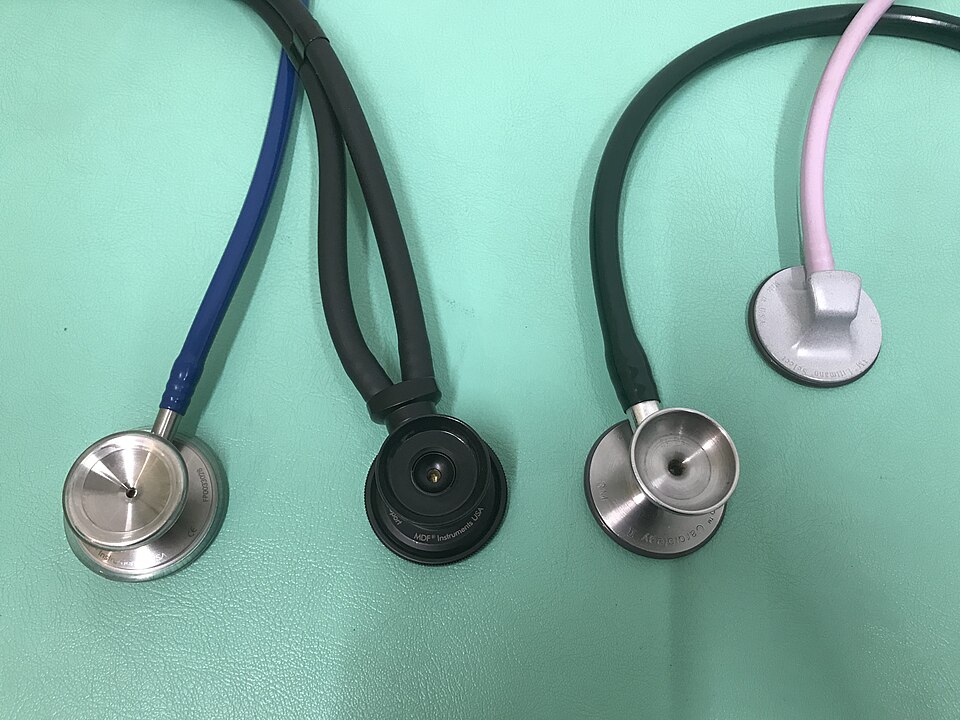
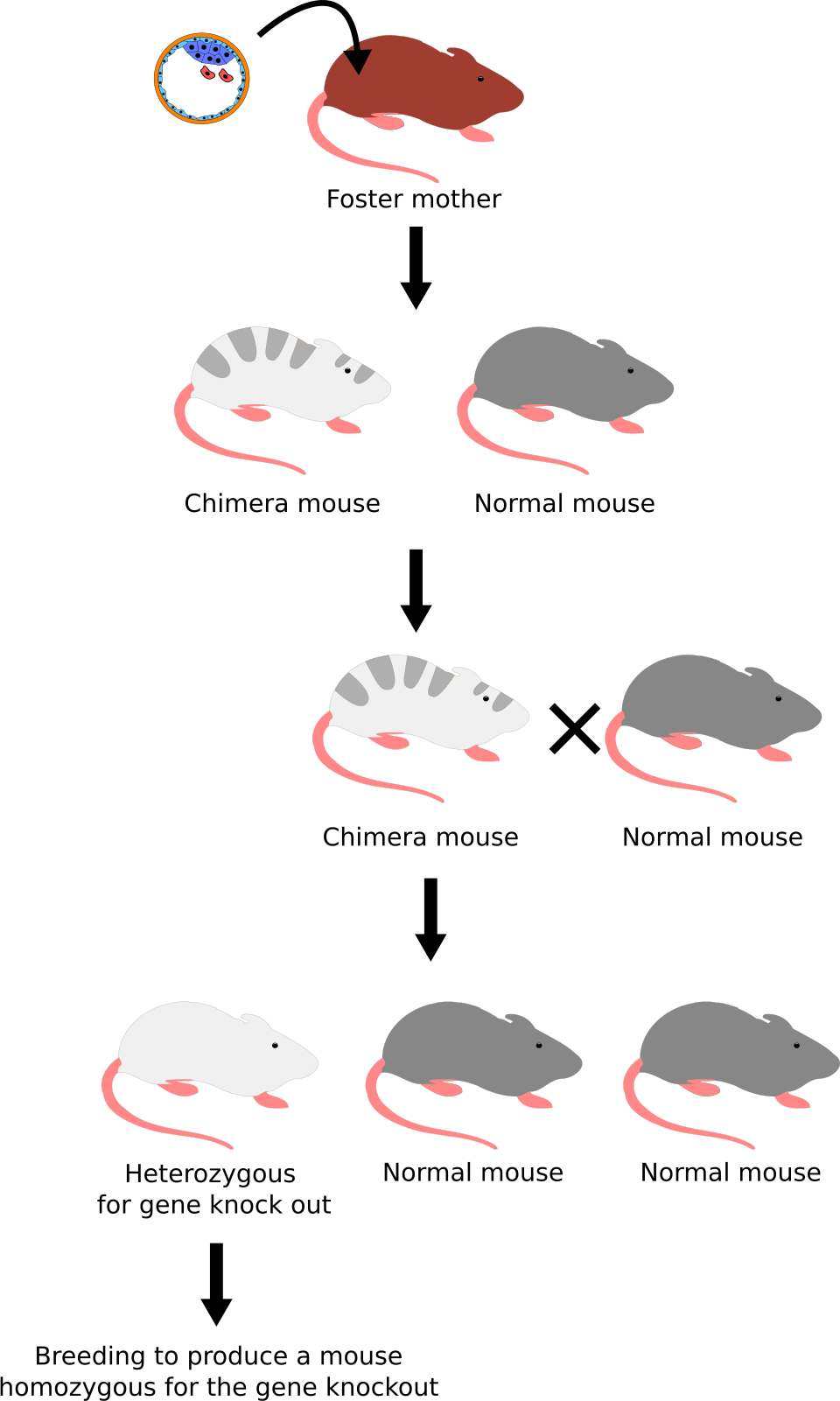
Mice lacking the mu opioid receptor showed no morphine analgesia, reward, or withdrawal, proving it is the key target of opioid drugs. Source: Matthes et al., Nature 1996.
Policy & institutions
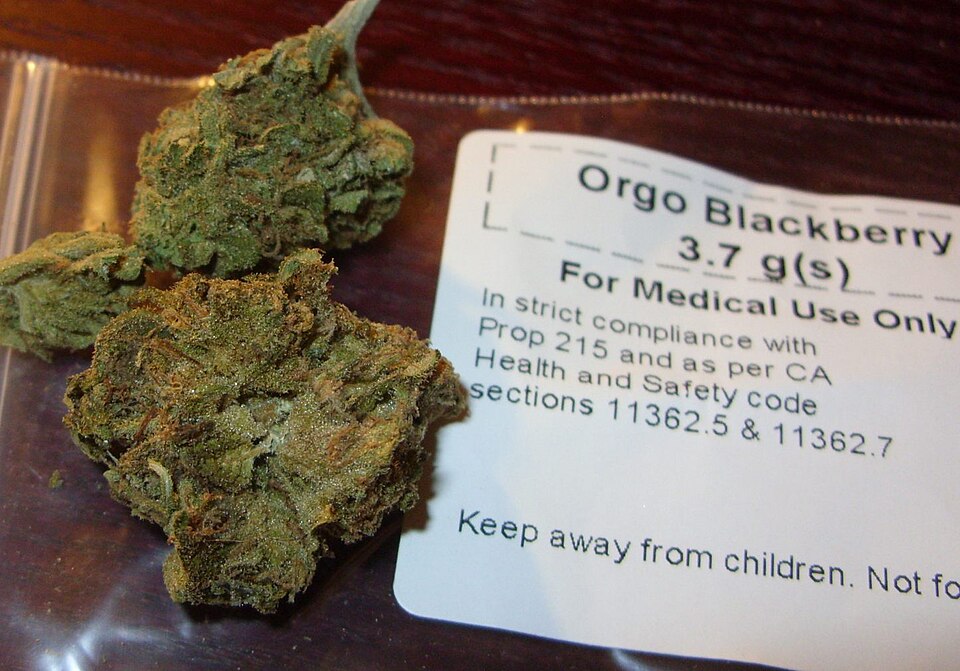
Proposition 215 made California the first state to legalize cannabis for medical use. Source: California Proposition 215 (1996).
Neuroscience
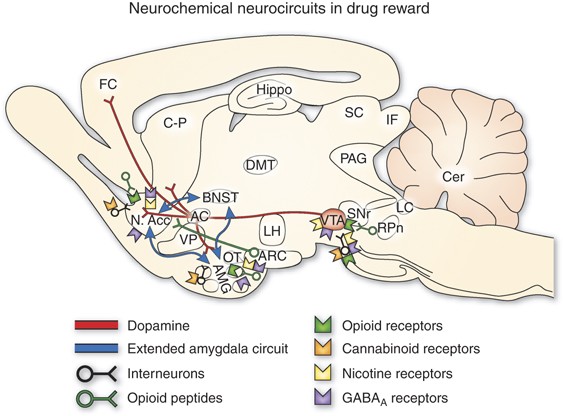
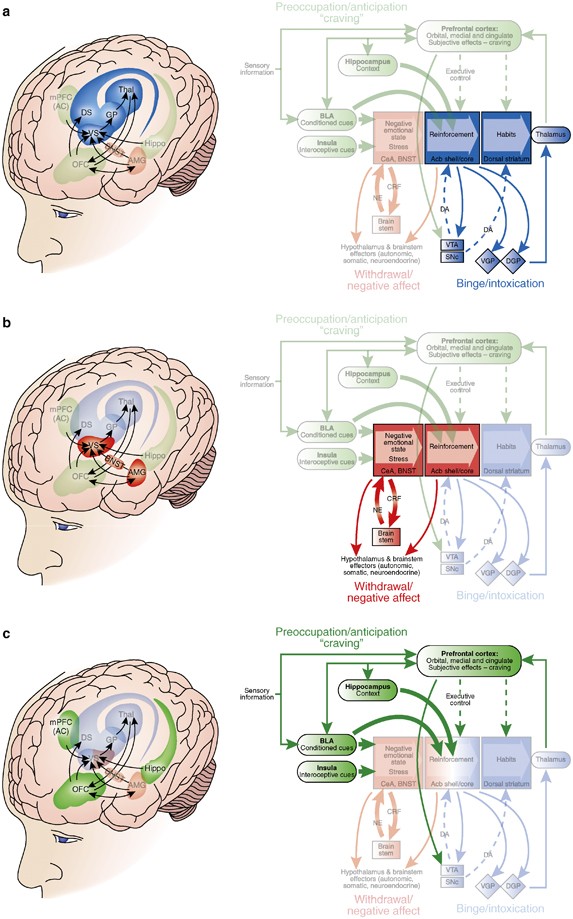
George Koob and Michel Le Moal proposed the allostatic model of addiction, emphasizing the "dark side" of drug use. This theory suggests that addiction is driven not just by the rewarding effects of drugs, but by the negative emotional state (withdrawal) that emerges when drug use stops, leading to a cycle of escalating use to avoid dysphoria.
Neuroscience
Schultz, Dayan, and Montague showed that dopamine neurons signal the difference between expected and received reward, a teaching signal that drugs hijack. Source: Schultz et al., Science 1997.
Neuroscience
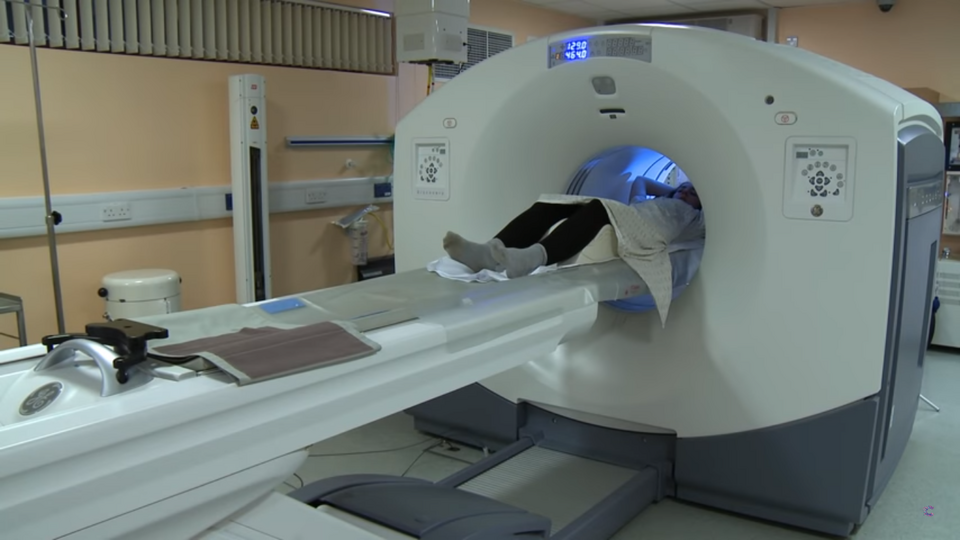
Volkow and colleagues showed that the high people feel from cocaine depends on how much of the dopamine transporter it blocks, and how quickly. Source: Volkow et al., Nature 1997.
Treatment & recovery
Bupropion (Zyban), an antidepressant, became the first non-nicotine medication approved to help people quit smoking. Source: FDA (1997).

Diagnosis
NIDA director Alan Leshner argued in Science that addiction is a chronic, relapsing brain disease. Source: Leshner AI, Science 1997.
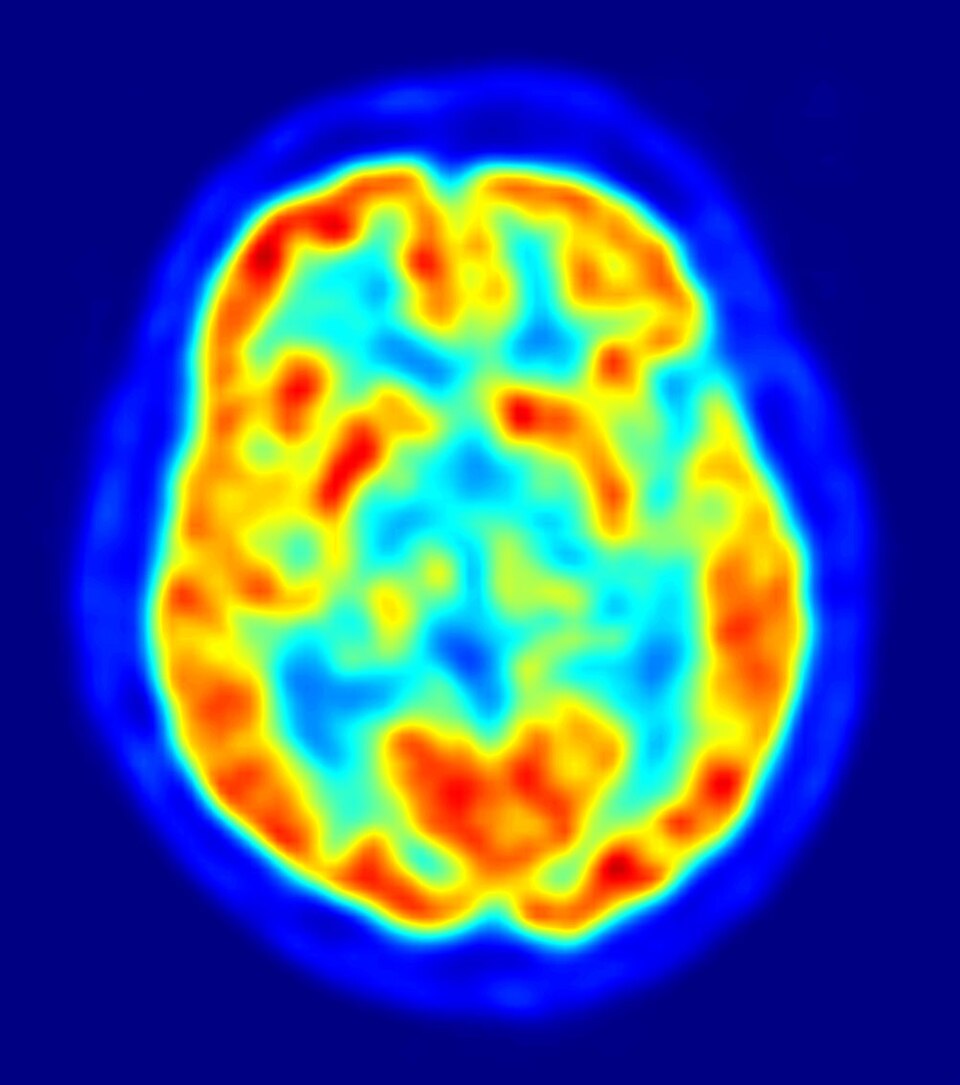
Neuroscience
Robinson and Kolb found that prior amphetamine exposure produces lasting increases in dendritic spines in the nucleus accumbens and prefrontal cortex. Source: Robinson, J Neurosci 1997.
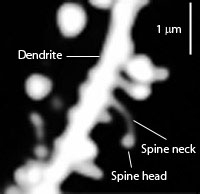
Neuroscience
Ahmed and Koob showed that extended cocaine access produces escalating intake in rats, modeling the loss of control. Source: Ahmed SH, Koob GF, Science 1998.
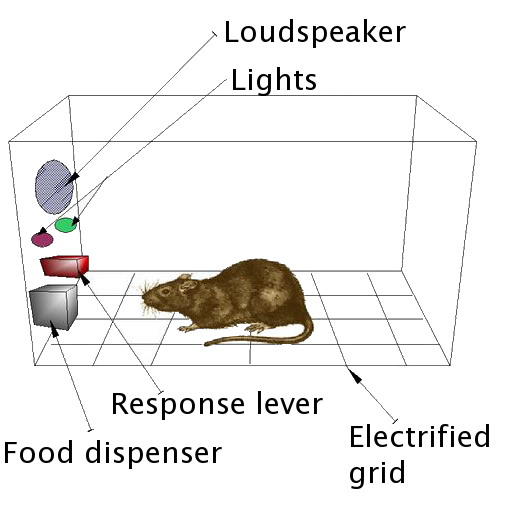
Neuroscience
Picciotto and colleagues showed that mice lacking the beta2 nicotinic receptor subunit do not self-administer nicotine. Source: Picciotto et al., Nature 1998.
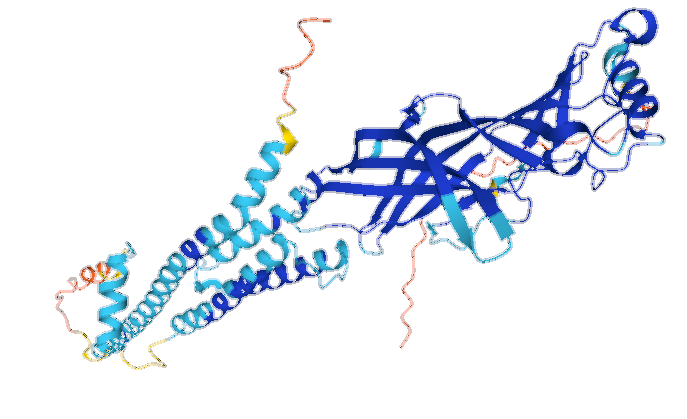
Neuroscience
Collett reviewed opioid tolerance in pain management, distinguishing pharmacological tolerance and physical dependence from addiction. Source: Collett, Br J Anaesth 1998.
Policy & institutions
Tobacco companies agreed with 46 states to pay billions annually and restrict marketing, especially to youth. Source: Master Settlement Agreement (1998).

Neuroscience
Vollenweider and colleagues showed that ketanserin, a 5-HT2A blocker, prevents psilocybin's psychological effects in humans. Source: Vollenweider et al., Neuroreport 1998.

Neuroscience
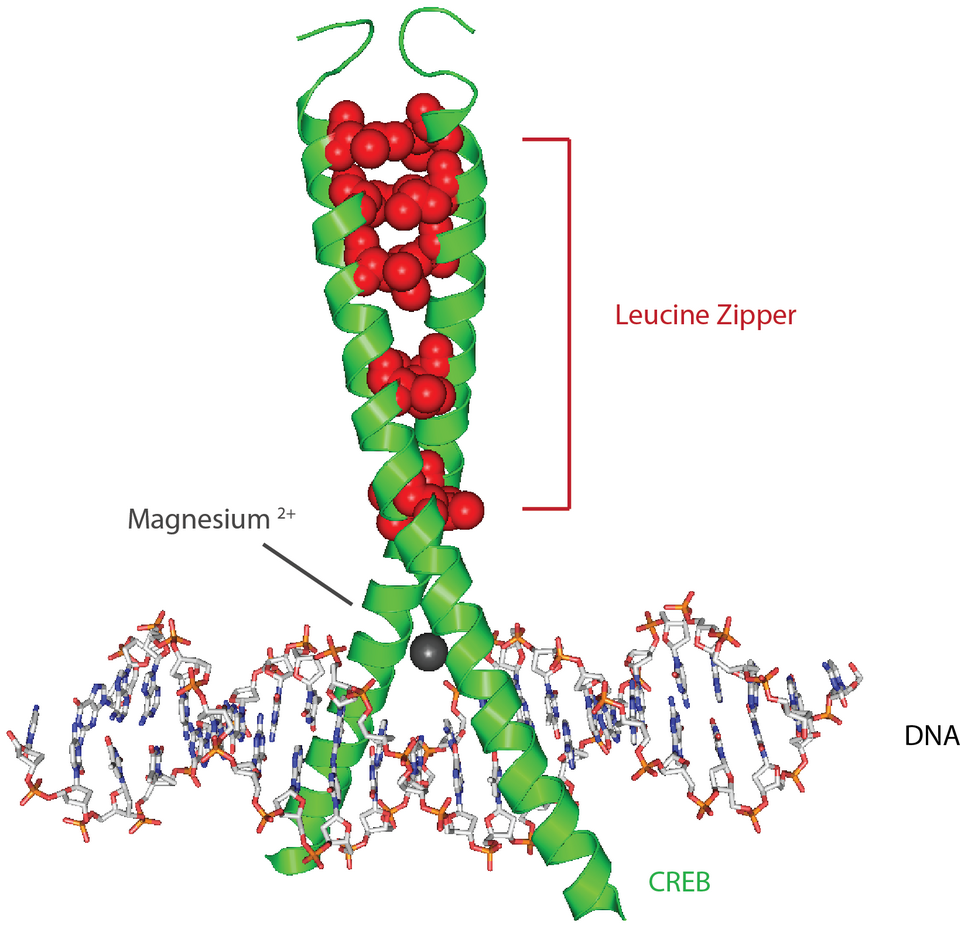
Carlezon and colleagues showed that the transcription factor CREB in the nucleus accumbens reduces cocaine reward, a molecular brake on drug effects. Source: Carlezon et al., Science 1998.
Neuroscience
Motive circuits: Prefrontal Cortex/Ventral Striatal Hypotheses of Addiction, Jentsch and Taylor (1999): The theory proposed that certain areas of the frontal cortex are used in inhibitory response control which are directly affected when exposed to drugs of abuse for an extensive period of time. As a result the frontal cortical cognitive impairment makes it so that it can no longer inhibit unconditioned or conditioned responses brought out by drugs. (source)
Frontal cortex dysfunction, cognitive performance, and executive function: Disruption of fronto cerebellar circuitry and function in alcoholism, Pfefferbaum, Sullivan, Mathalon, and Lim (1997), Sullivan, Harding, Pentney, Dlugos, Martin, Parks, Desmond, Chen, Pryor, De Rosa, and Pfefferbaum (2003) - Postmodern studies using magnetic resonance imaging (MRI) have shown that there are abnormalities in the frontal cortex in alcoholics. Furthermore, there is an imbalance and gait in alcoholics that are related to abnormalities in cerebellar function that could also be related to the functioning of the frontal lobe. This suggests that there may be an overall lack in the front cerebellar circuitry in alcoholism. Pfefferbaum and colleagues conducted a study which showed that tasks that require strong frontal lobe activation may also be receptive to alcohol related changes in how the brain functions. (source)
Brain circuitry for addiction from brain imaging studies Volkow, Fowler, and Wang (2003) - Volkow and colleagues study was based on the hypothesis that there is a control circuit in drug addiction based on other studies findings that showed a correlation between drug addicts and abnormalities in the prefrontal cortex and anterior cingulate gyrus. In drug addicts, the abnormalities in the prefrontal cortex can hinder decision making and inhibitory control. This is what leads drug addicts to seek instant gratification over delayed gratification and can also be linked to a loss of self control in drug consumption.
Impaired response inhibition and salience attribution syndrome of addiction, Goldstein and Volkow (2002) - The study was based on the theory that addiction interferes with incentive salience attribution for typical rewards and leads to a hindered inhibition and degression in sensitivity to reward in the course of withdrawal.
Epidemics & trends
Overdose deaths involving prescription opioids rose steadily from 1999 as prescribing increased. Source: CDC.
Neuroscience
Robbins and Everitt proposed that drug seeking becomes compulsive as control shifts from goal-directed to habit systems in the dorsal striatum. Source: Robbins et al., Nature 1999.
Diagnosis
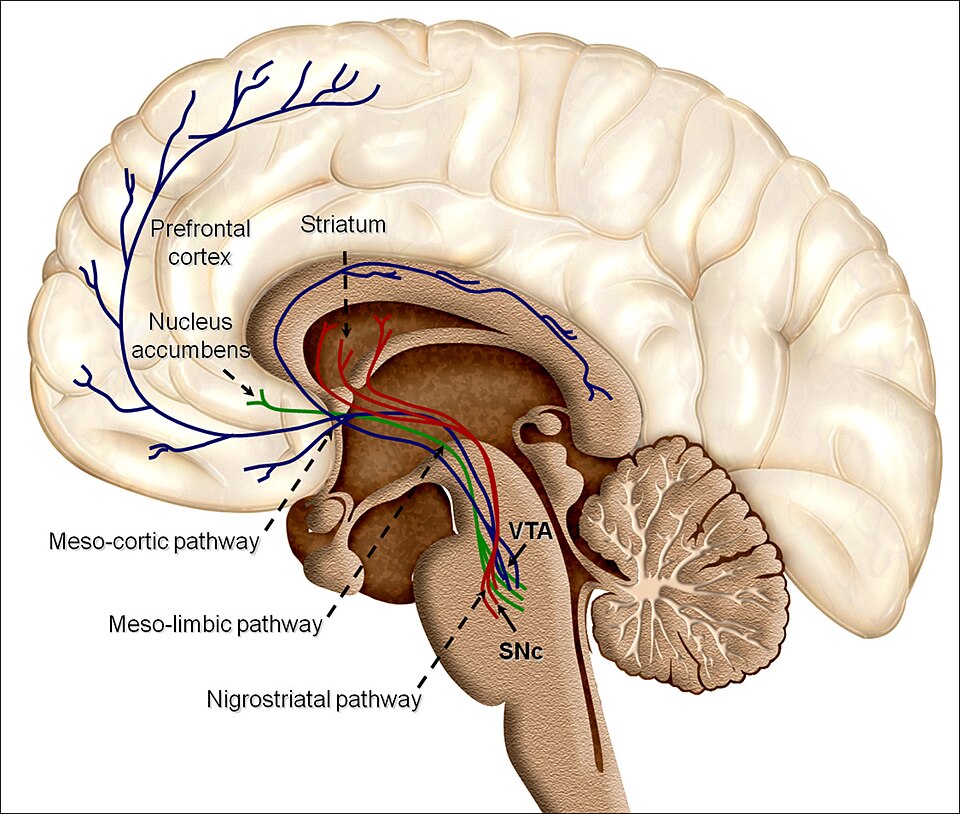
Beginning in 2000, work groups were formed to create a research agenda for the fifth major revision of DSM (DSM–5). These work groups generated hundreds of white papers, monographs, and journal articles, providing the field with a summary of the state of the science relevant to psychiatric diagnosis and letting it know where gaps existed in the current research, with hopes that more emphasis would be placed on research within those areas. In 2007, APA formed the DSM–5 Task Force to begin revising the manual as well as 13 work groups focusing on various disorder areas. DSM–5 was published in 2013.
Neuroscience
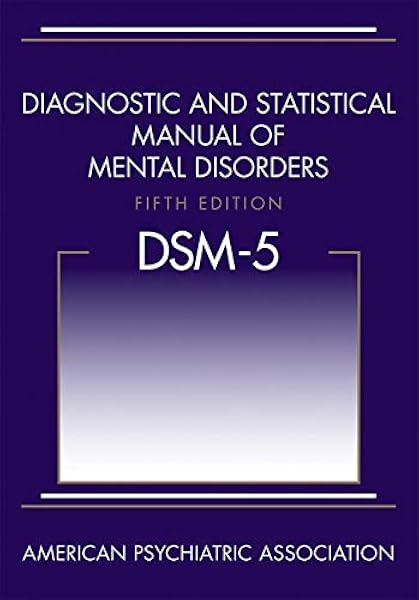
One cocaine exposure strengthened excitatory synapses onto dopamine neurons (2001), an adaptation later found with every class of addictive drug (2003). Source: Ungless et al., Nature 2001; Saal et al., Neuron 2003.
Neuroscience
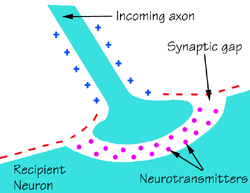
Grimm, Hope, Wise, and Shaham found that cue-induced cocaine seeking grows stronger over weeks of abstinence, the 'incubation of craving' that helps explain late relapse. Source: Grimm et al., Nature 2001.
Neuroscience
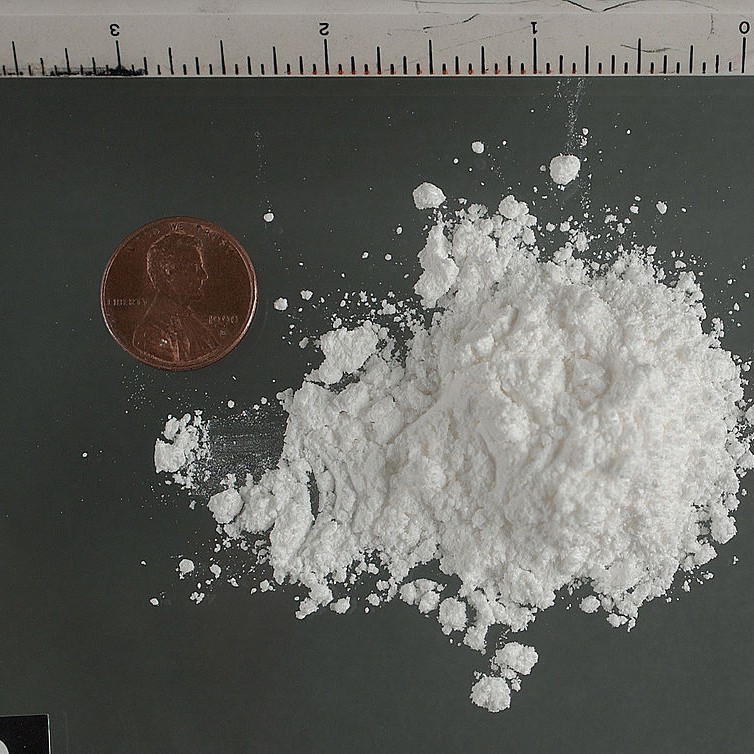
Hutcheson, Everitt, Robbins, and Dickinson showed that opiate withdrawal increases rats' motivation for heroin, supporting a role for relief of withdrawal in drug seeking. Source: Hutcheson et al., Nat Neurosci 2001.
Neuroscience
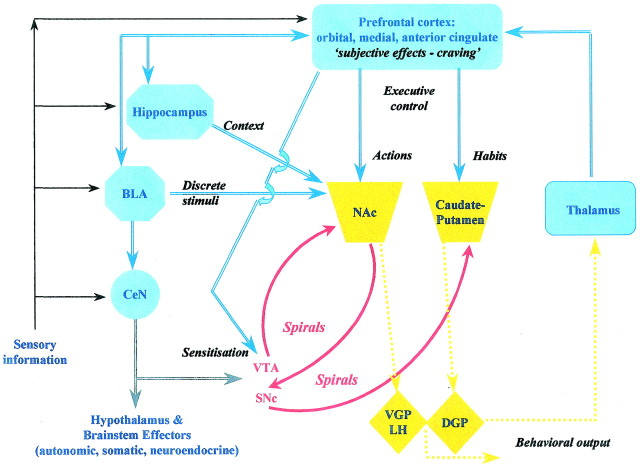
Brain Circuitry of Reinstatement of Drug-Seeking, Kalivas and McFarland (2003), Shaham, Shalev, Lu, DeWit, and Stewart (2003) - (source)
Reinstatement based on cues is determined by the activation of the basolateral amygdala and medial prefrontal cortex by way of a glutamatergic disruption of the nucleus accumbens. Furthermore, cue-induced reinstatement may also depend on dopamine innervation of the basolateral amygdala and prefrontal cortex.
Drug Addiction and Relapse: Amygdala and Corticostriatopallidal Circuits, Everitt and Wolf (2002) - Everritt and Wolf (2002): Conceptualized how cue-induced reinstatement relies on a circuit that includes the basolateral amygdala, prefrontal cortex, and nucleus accumbens core. Impulsivity is related to levels of sensitization of dopamine systems by way of lack of inhibitory control. Whereas, compulsivity is thought to have evolved from stimulus response drug-seeking in the corticostriatal loops by way of both ventral and dorsal striatum.
Treatment & recovery
An over-the-counter nicotine lozenge was approved. Source: FDA (2002).
Neuroscience
Morgan and colleagues found that dominant monkeys gained D2 receptors and self-administered less cocaine than subordinates, linking environment to brain and drug use. Source: Morgan et al., Nat Neurosci 2002.

Neuroscience
Ahmed, Kenny, Koob, and Markou showed that escalating cocaine intake is accompanied by a progressive rise in brain reward thresholds, evidence for a shifting hedonic set point. Source: Ahmed et al., Nat Neurosci 2002.
Neuroscience
Roth and colleagues found that salvinorin A, the psychoactive compound of Salvia divinorum, is a potent and selective kappa-opioid receptor agonist. Source: Roth et al., Proc Natl Acad Sci U S A 2002.

Treatment & recovery
Subutex and Suboxone allowed opioid addiction to be treated in doctors' offices, not only clinics. Source: FDA (2002).
Epidemics & trends
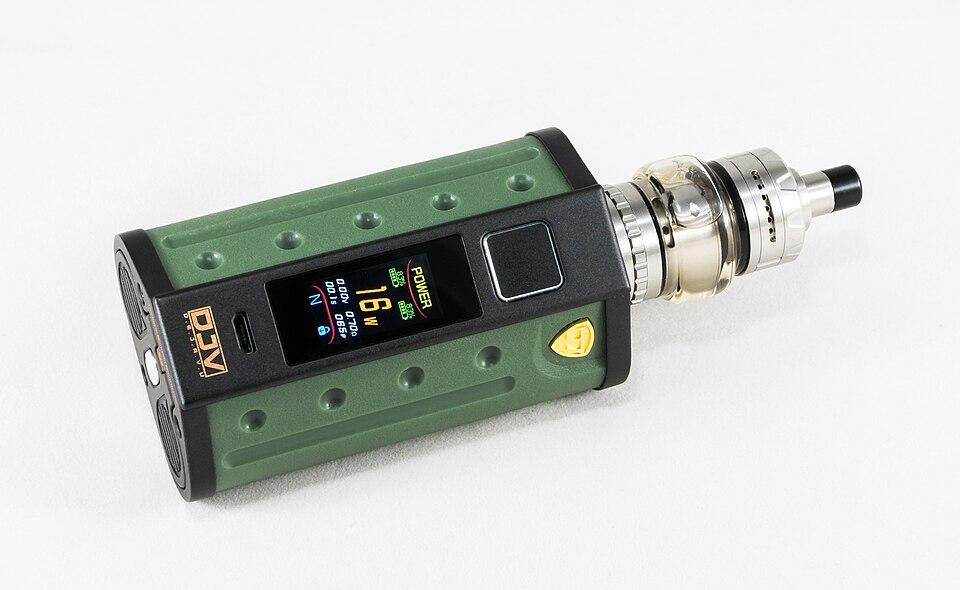
Chinese pharmacist Hon Lik developed the modern e-cigarette; e-cigarettes reached the U.S. around 2007. Source: historical accounts.
Neuroscience
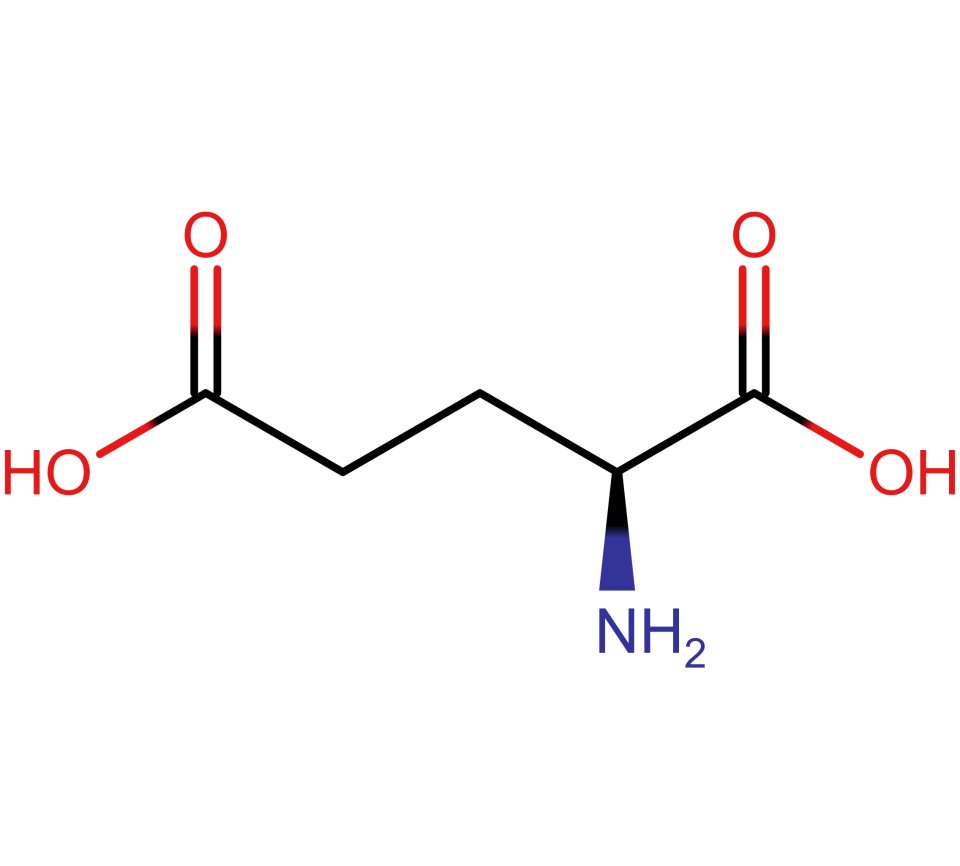
Kalivas and colleagues showed that cocaine disrupts glutamate regulation by the cystine-glutamate exchanger, leading to trials of N-acetylcysteine to prevent relapse. Source: Baker et al., Nat Neurosci 2003; Kalivas, Nat Rev Neurosci 2009.
Neuroscience
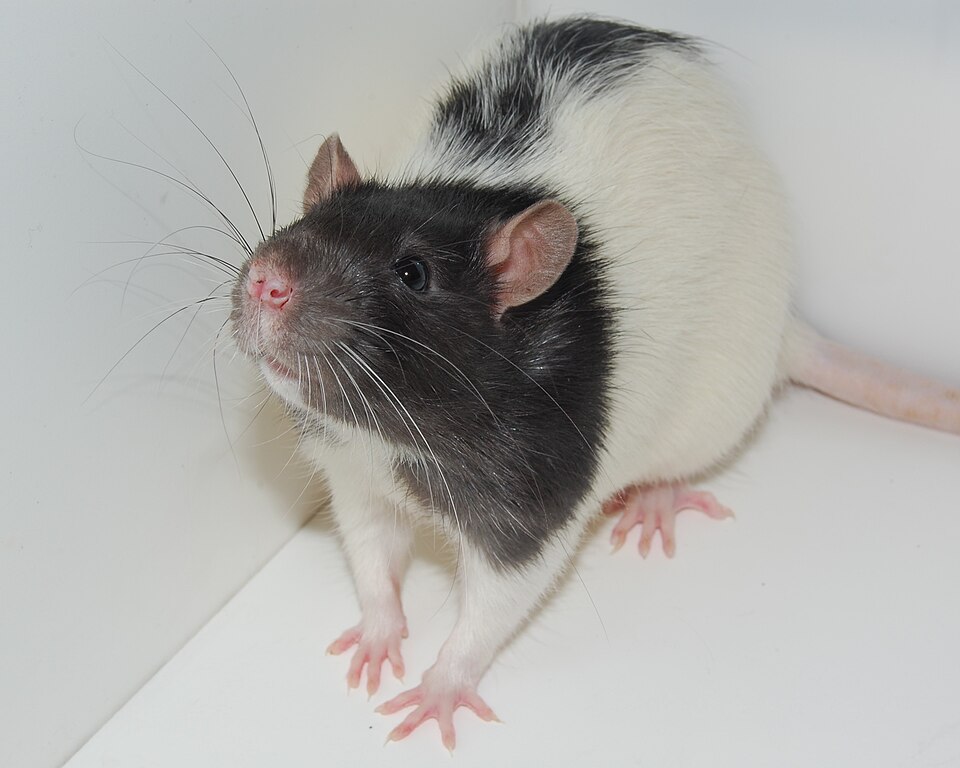
Only a subset of rats developed addiction-like behavior, mirroring human criteria and individual vulnerability. Source: Deroche-Gamonet V, Belin D, Piazza PV, Science 2004.
Neuroscience
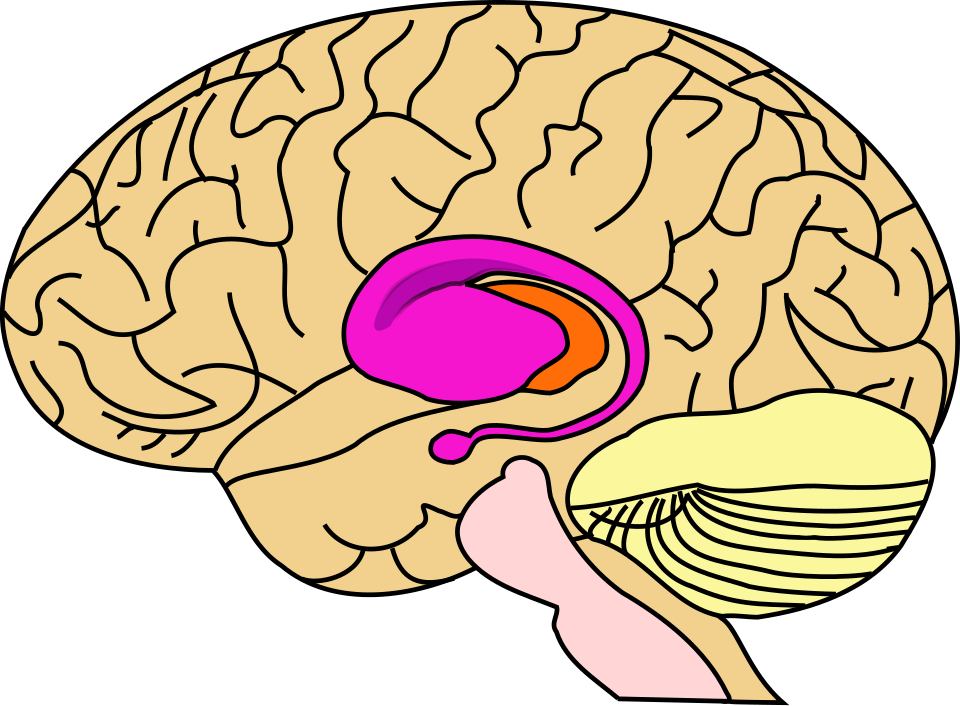
Yin, Knowlton, and Balleine showed that lesions of the dorsolateral striatum spare goal-directed behavior but prevent habit formation. Source: Yin et al., Eur J Neurosci 2004.
Treatment & recovery
Acamprosate (Campral) helps people who have stopped drinking maintain abstinence. Source: FDA (2004).

Neuroscience
Vanderschuren and Everitt showed that after prolonged cocaine self-administration, rats keep seeking cocaine despite punishment. Source: Vanderschuren, Science 2004.
Neuroscience
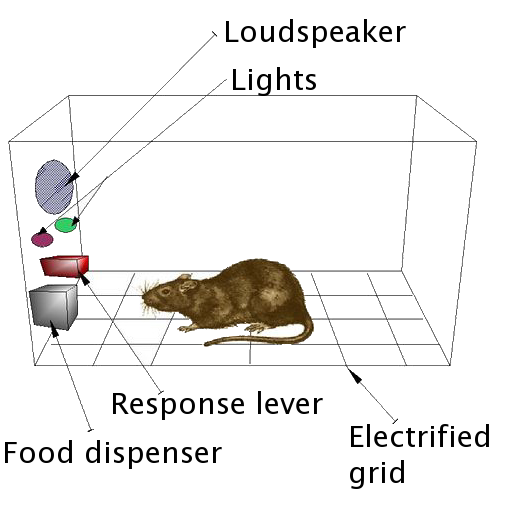
Twin studies show that 40–70% of the risk for addiction is genetic, with shared and substance-specific genes. Review: Goldman and colleagues, 2005. Source: Goldman et al., Nat Rev Genet 2005.

Neuroscience
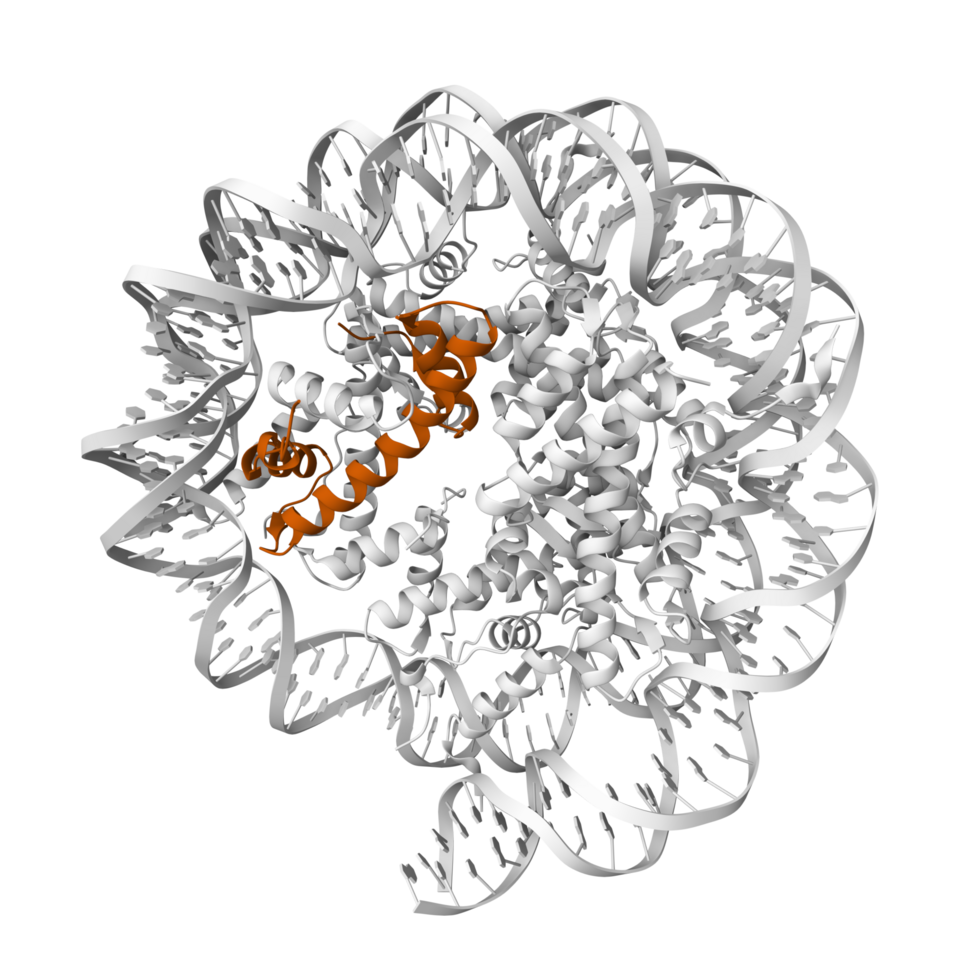
Cocaine remodels chromatin in the nucleus accumbens (2005), and the histone methyltransferase G9a regulates cocaine-induced plasticity (2010). Source: Kumar et al., Neuron 2005; Maze et al., Science 2010.
Neuroscience
A Johns Hopkins trial showed psilocybin can safely produce lasting meaningful experiences, reopening clinical research. Source: Griffiths RR et al., Psychopharmacology 2006.

Treatment & recovery
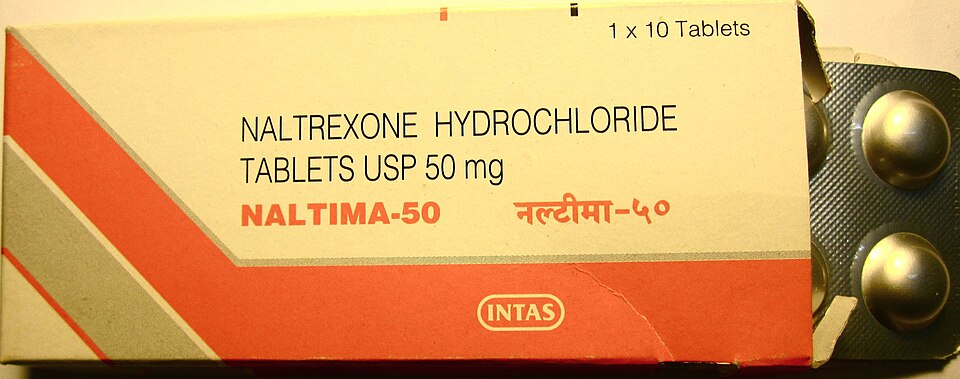
Extended-release naltrexone (Vivitrol) was approved for alcohol dependence, and for opioid dependence in 2010. Source: FDA (2006, 2010).
Treatment & recovery
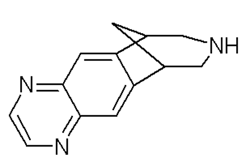
Varenicline (Chantix) partially activates nicotine receptors, easing craving and blocking nicotine's reward. Source: FDA (2006).
Neuroscience
Kenny and colleagues showed that cues paired with withdrawal increase heroin consumption and reduce reward sensitivity in dependent rats. Source: Kenny et al., J Neurosci 2006.

Neuroscience
Norman and Tsibulsky proposed that rats self-administer cocaine to keep brain levels within a 'compulsion zone' between satiety and priming thresholds. Source: Norman et al., Brain Res 2006.
Neuroscience
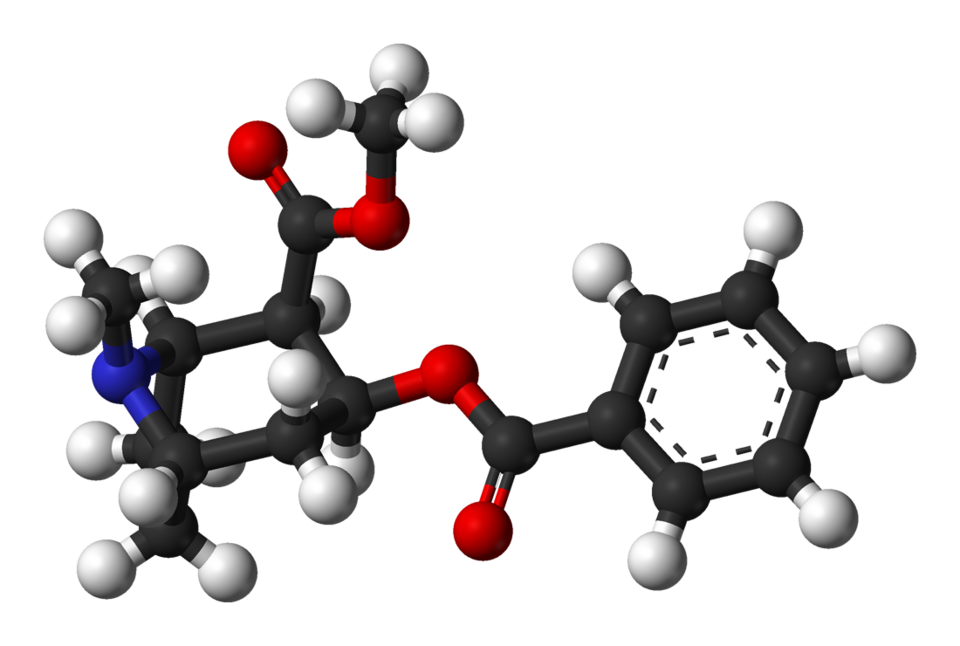
Impulsive rats, with fewer D2/3 receptors in the nucleus accumbens, escalate cocaine intake (2007) and are more likely to switch to compulsive use (2008). Source: Dalley et al., Science 2007; Belin et al., Science 2008.
Neuroscience
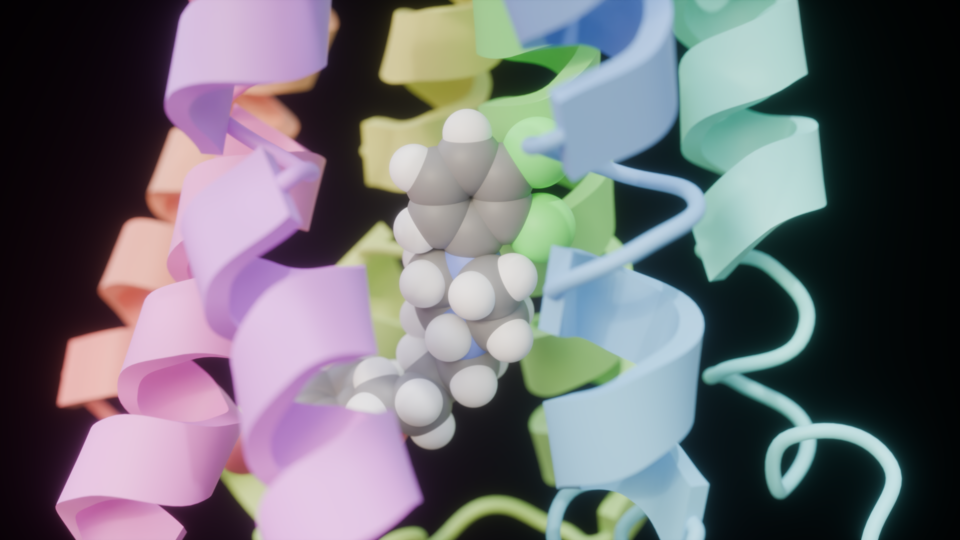
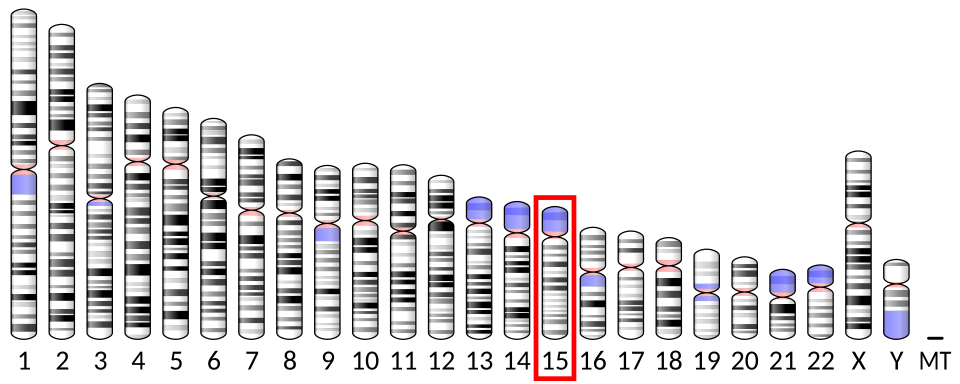
Variants in the CHRNA5 nicotinic receptor gene cluster were linked to heavy smoking and nicotine dependence, the first replicated genome-wide hit for addiction. Source: Saccone et al., Hum Mol Genet 2007; Thorgeirsson et al., Nature 2008.
Neuroscience
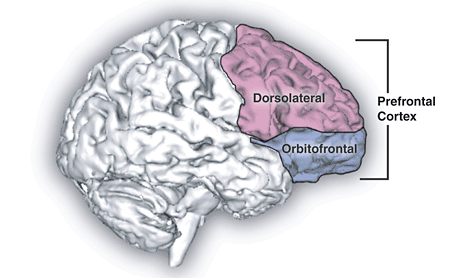
Hoover and Vertes mapped the afferent projections to each subdivision of the rat medial prefrontal cortex, a reference for circuit studies of addiction. Source: Hoover et al., Brain Struct Funct 2007.
Neuroscience
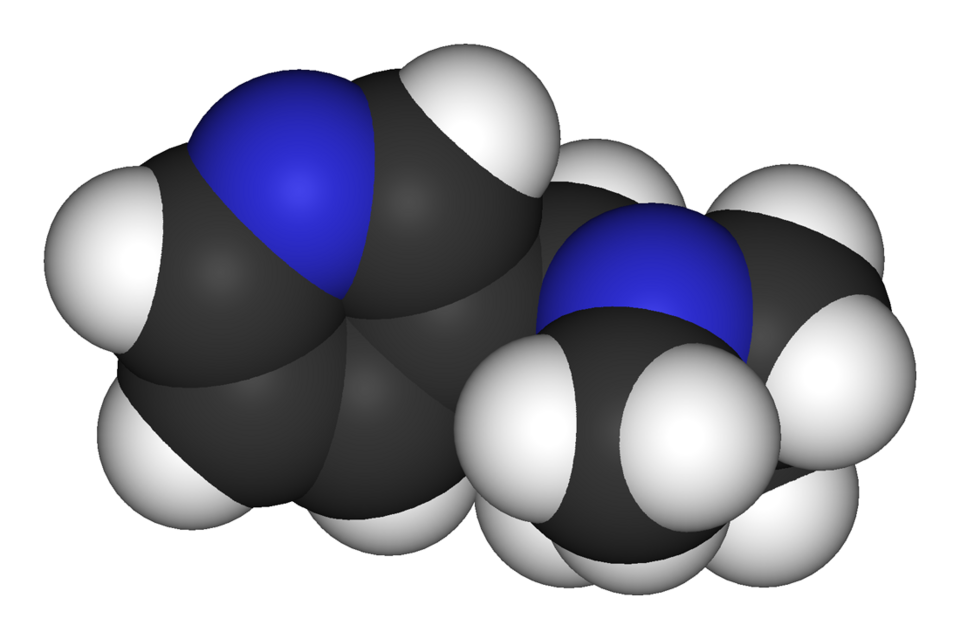
Our lab showed that activation of the CRF-CRF1 stress system mediates the increase in nicotine self-administration during withdrawal in dependent rats. Source: George et al., Proc Natl Acad Sci U S A 2007.
Neuroscience
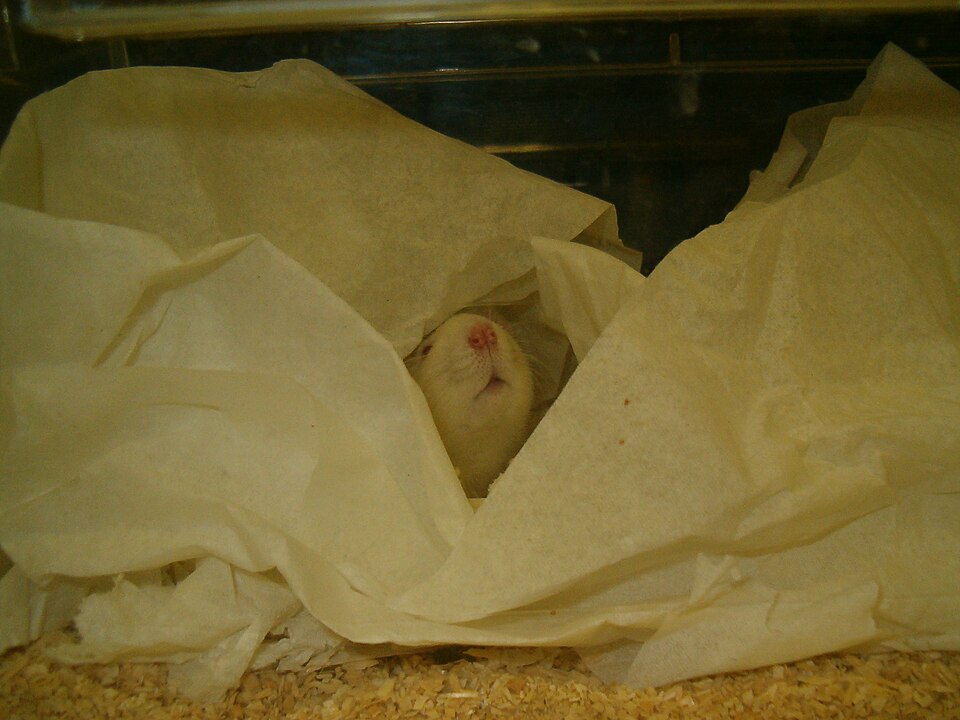
Flagel, Watson, Akil, and Robinson showed that rats that attribute incentive salience to reward cues ('sign-trackers') develop greater cocaine sensitization. Source: Flagel et al., Behav Brain Res 2008.
Neuroscience
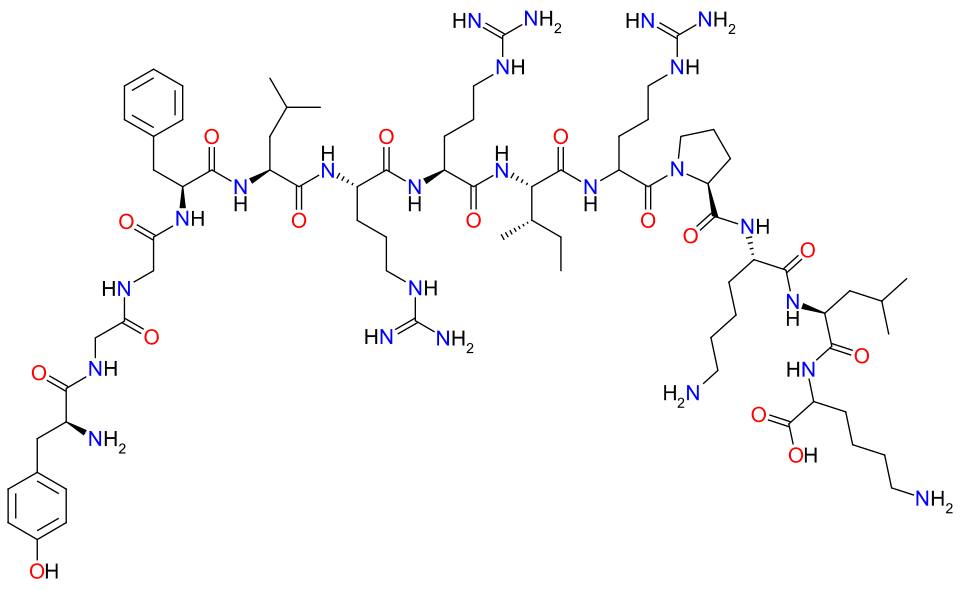
Land and colleagues showed that the dysphoric component of stress is encoded by the dynorphin/kappa-opioid system, linking stress to drug seeking. Source: Land et al., J Neurosci 2008.
Neuroscience
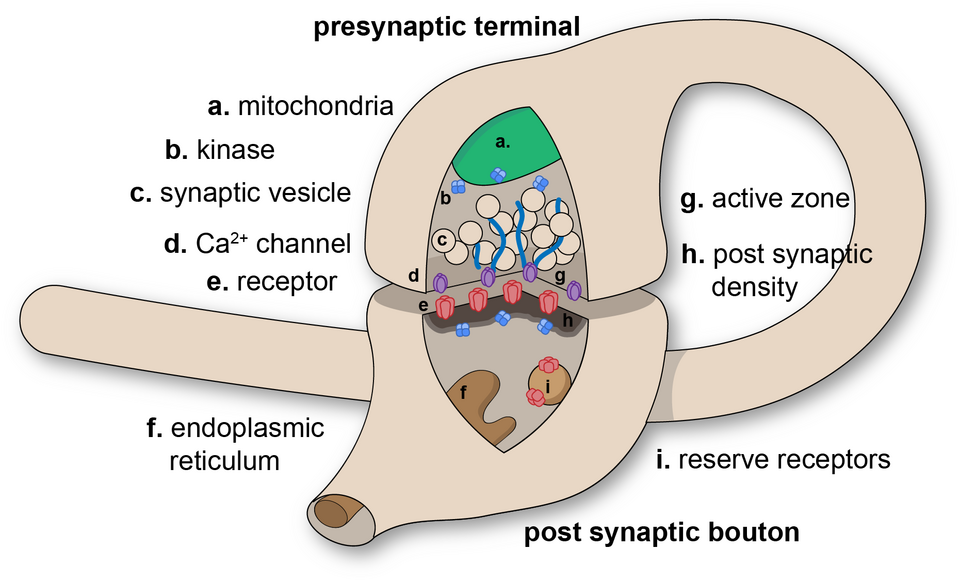
Conrad and colleagues showed that GluR2-lacking, calcium-permeable AMPA receptors accumulate in the nucleus accumbens and mediate incubation of cocaine craving. Source: Conrad et al., Nature 2008.
Policy & institutions
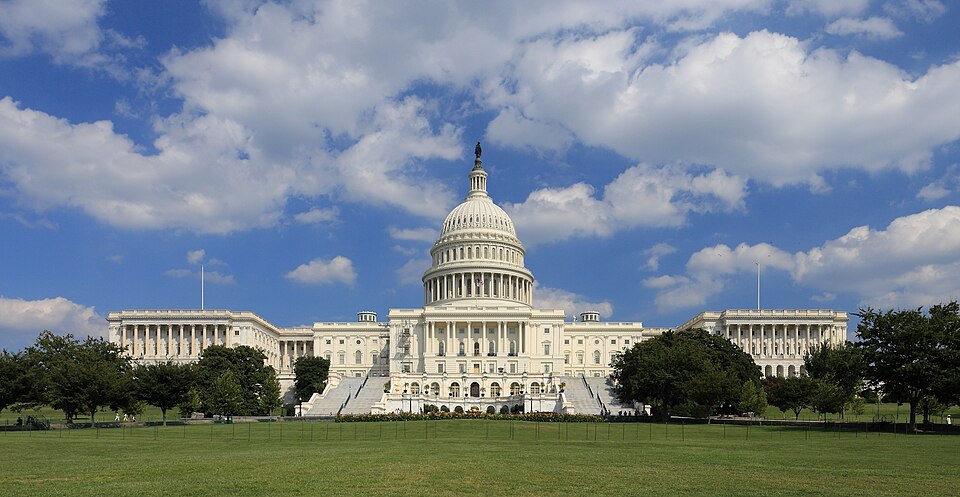
Insurers covering addiction treatment must do so on terms no more restrictive than for other medical care. Source: MHPAEA (2008).
Neuroscience
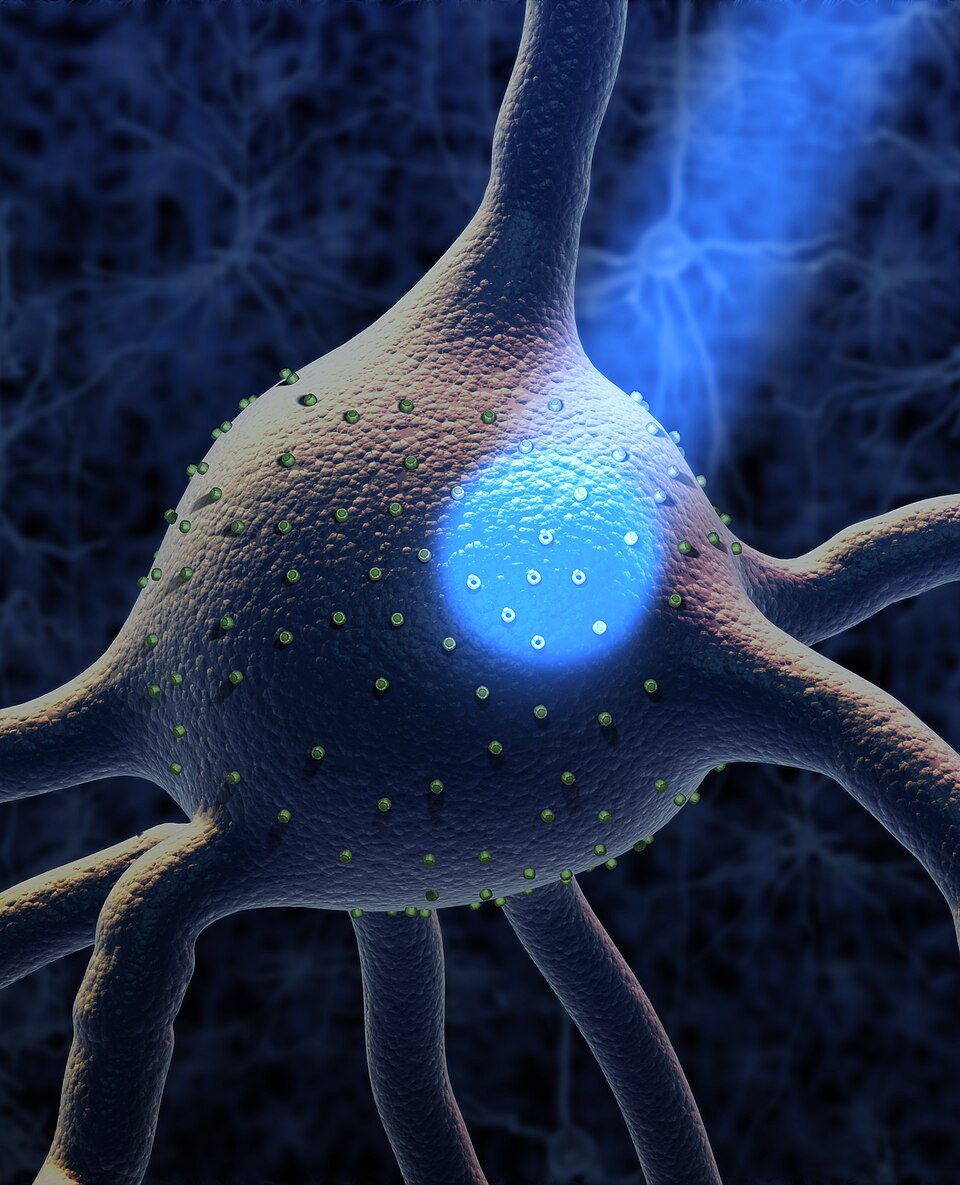
Tsai and colleagues used optogenetics to show that phasic firing of dopamine neurons is sufficient to drive behavioral conditioning. Source: Tsai et al., Science 2009.
Policy & institutions
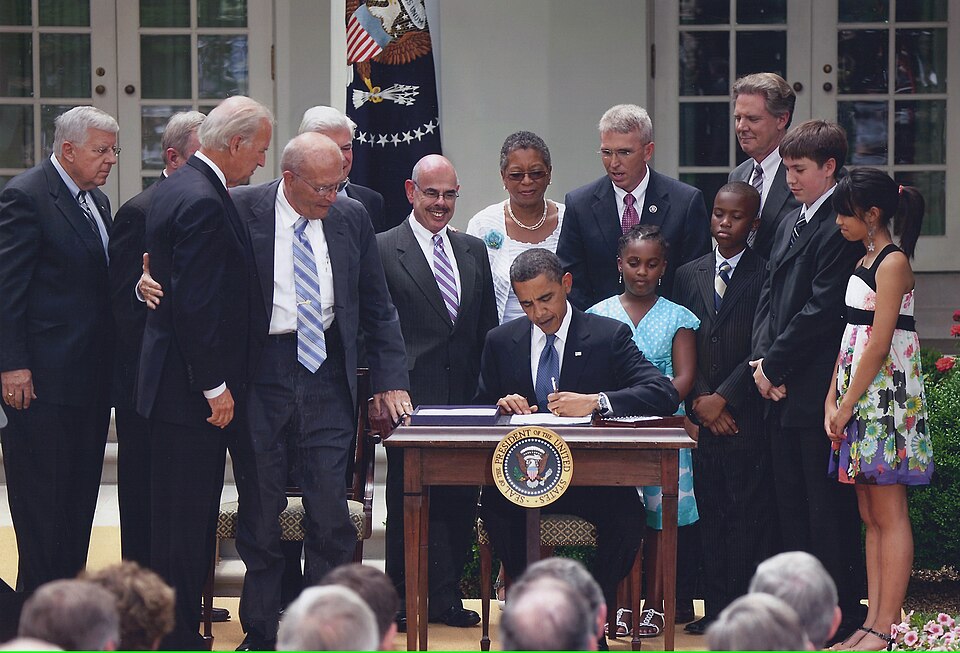
The Family Smoking Prevention and Tobacco Control Act let the FDA regulate how tobacco products are made, marketed, and sold. Source: Tobacco Control Act (2009).
Epidemics & trends
Overdose deaths involving heroin rose rapidly from 2010. Source: CDC.

Neuroscience
George and Koob reviewed evidence that individual differences in prefrontal cortex function contribute to the transition from drug use to dependence. Source: George et al., Neurosci Biobehav Rev 2010.
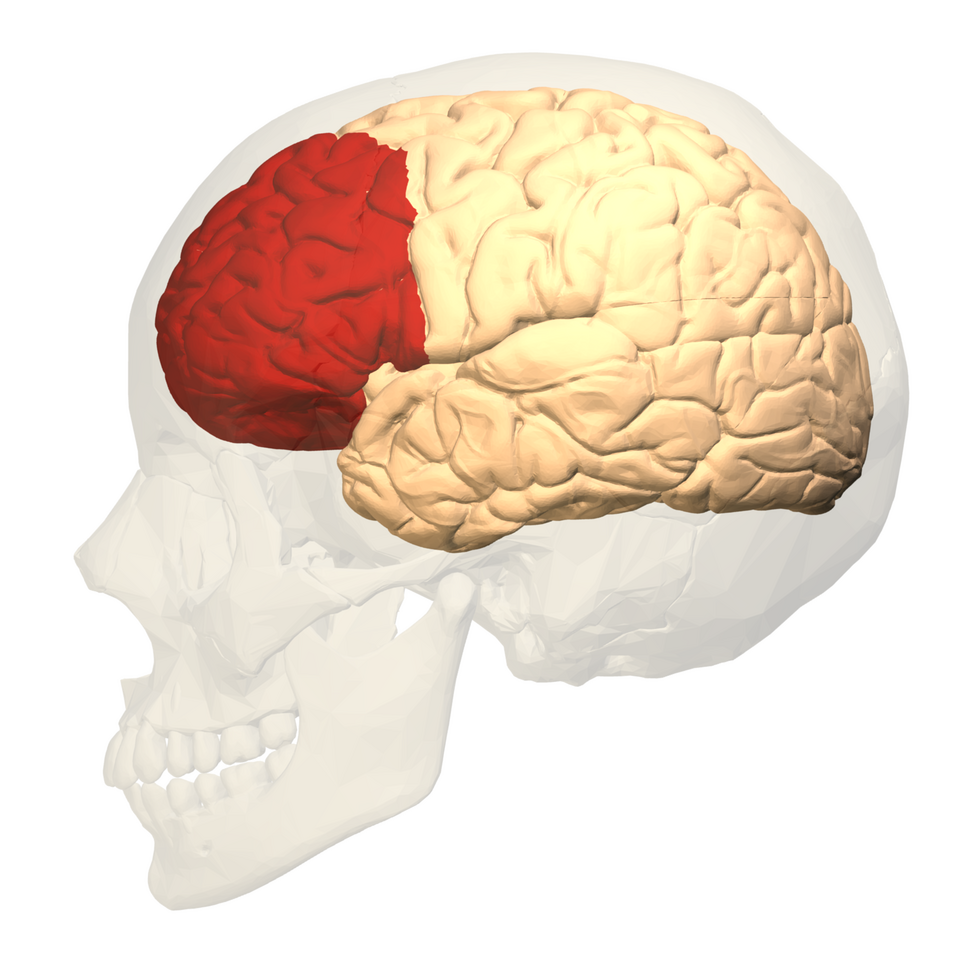
Neuroscience
Fowler and colleagues showed that α5 nicotinic receptors in the medial habenula signal nicotine's aversive effects and cap how much animals take. Source: Fowler et al., Nature 2011.
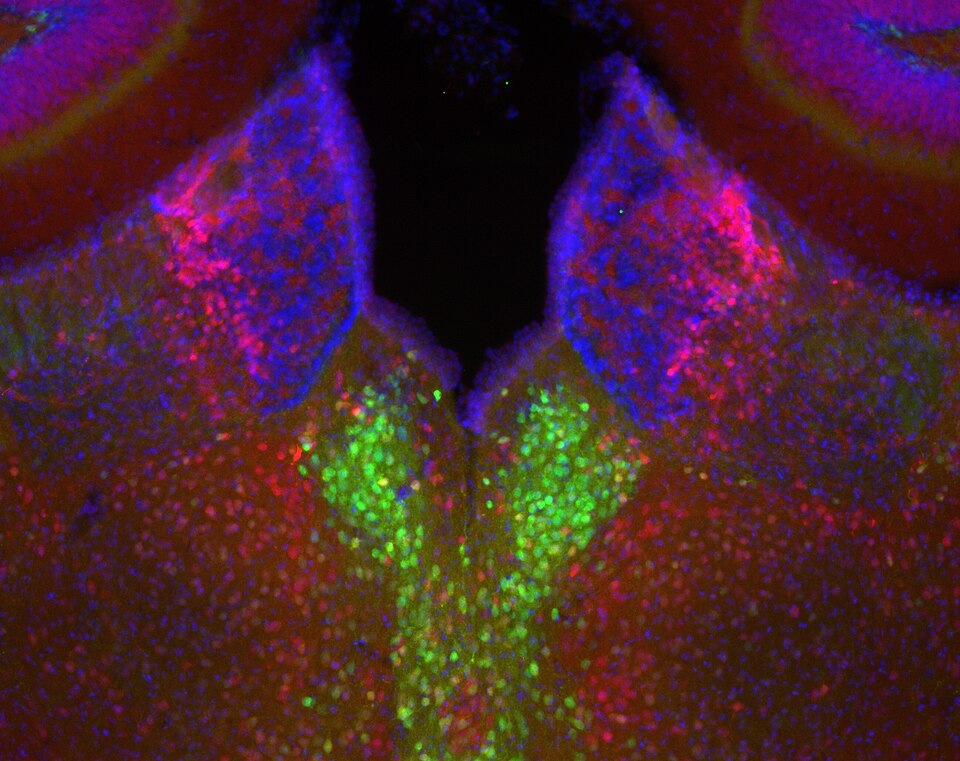
Neuroscience
Bossert and colleagues showed that small ensembles of ventromedial prefrontal neurons activated by a drug context mediate context-induced relapse to heroin seeking. Source: Bossert et al., Nat Neurosci 2011.
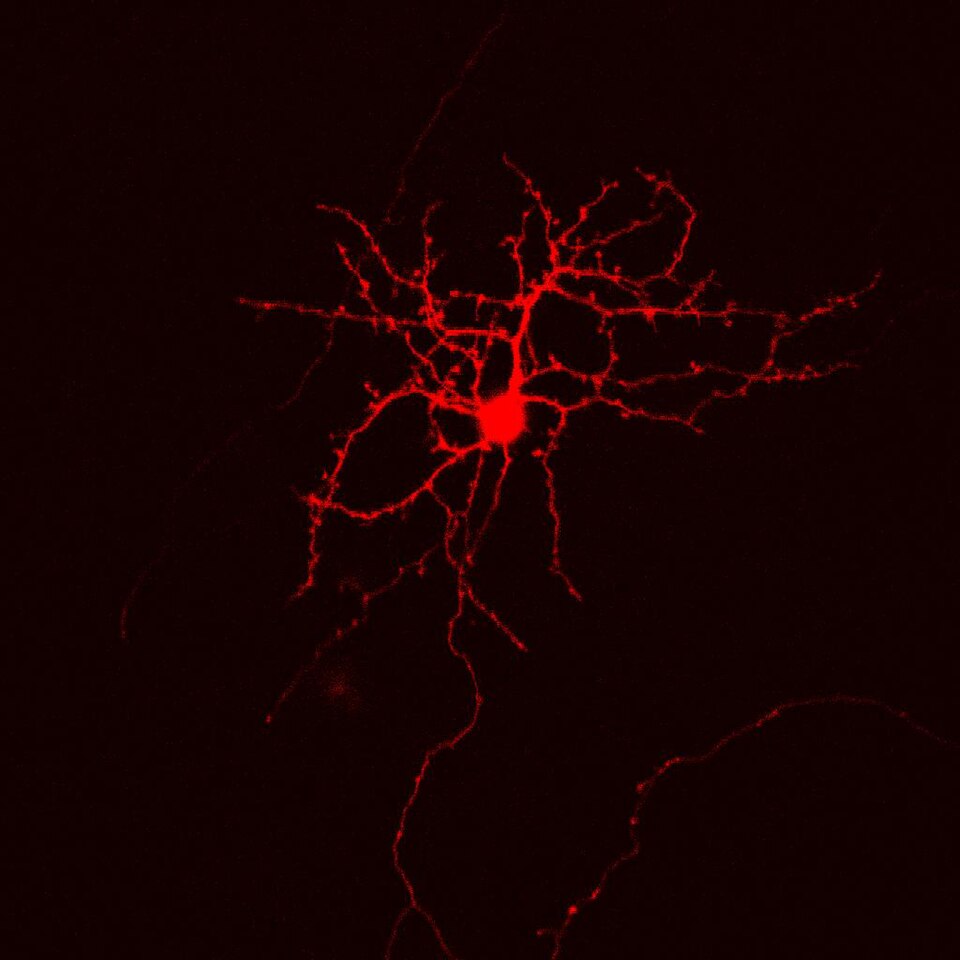
Neuroscience
Barak and colleagues found that excessive drinking lowers mesolimbic dopamine during withdrawal, and that GDNF in the ventral tegmental area restores it and reduces alcohol seeking. Source: Barak et al., J Neurosci 2011.
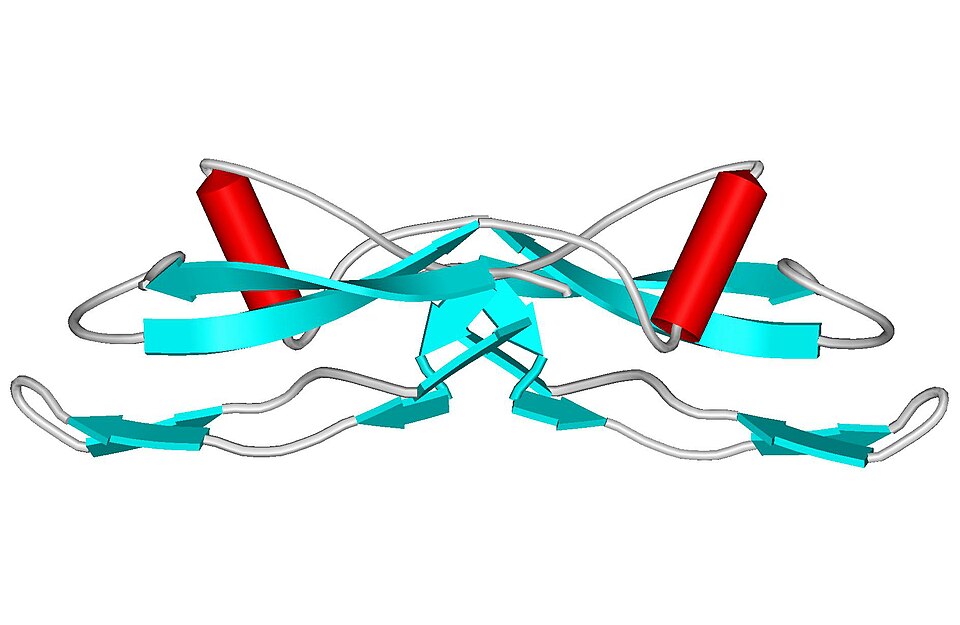
Diagnosis
The American Society of Addiction Medicine defined addiction as a chronic disease of brain reward, motivation, and memory circuits. Source: ASAM (2011, revised 2019).

Epidemics & trends
As states legalized cannabis, use became more frequent and products more potent: by 2022 more Americans reported daily or near-daily cannabis use than daily drinking, and THC potency roughly tripled between 1995 and 2014. Source: Caulkins, Addiction 2024; ElSohly et al., Biol Psychiatry 2016.

Neuroscience
Pascoli, Turiault, and Lüscher used optogenetics to reverse cocaine-evoked synaptic potentiation in the nucleus accumbens, resetting drug-induced behavior. Source: Pascoli et al., Nature 2011.
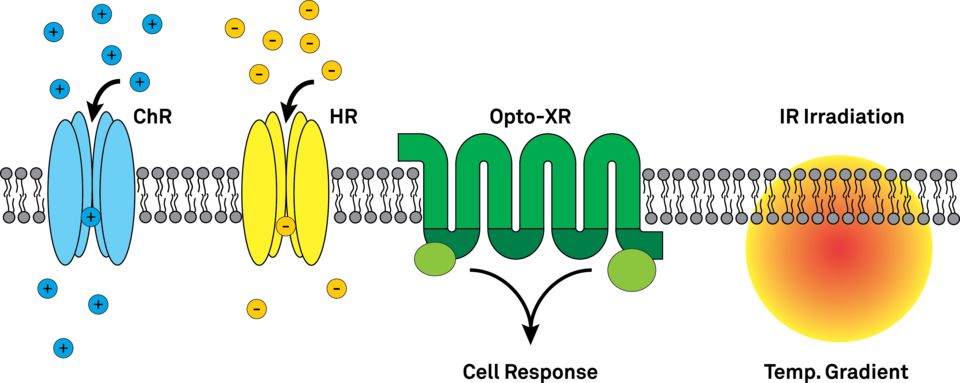
Neuroscience
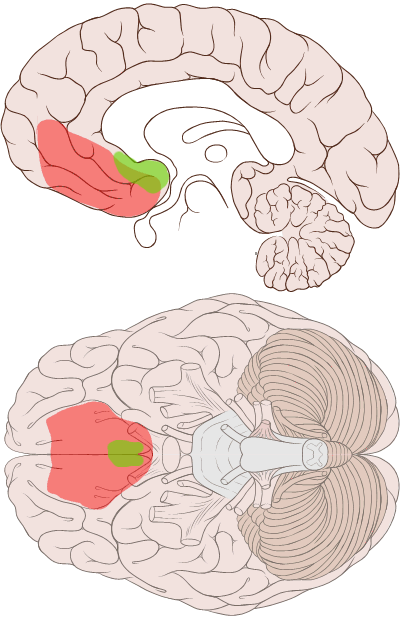
Fanous and colleagues showed that orbitofrontal cortex neuronal ensembles mediate incubated heroin craving after prolonged withdrawal. Source: Fanous et al., J Neurosci 2012.
Neuroscience
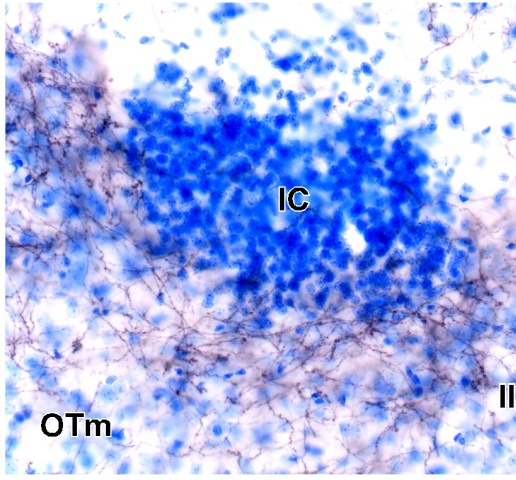
Our lab showed that recruitment of medial prefrontal cortex neurons during alcohol withdrawal predicts cognitive impairment and excessive drinking. Source: George et al., Proc Natl Acad Sci U S A 2012.
Policy & institutions
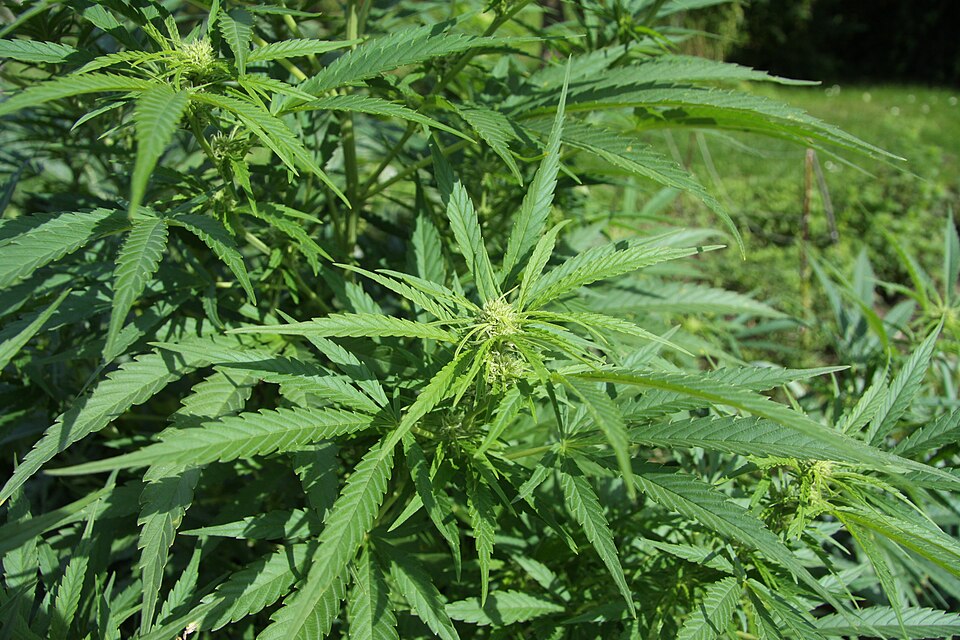
Colorado and Washington legalized cannabis for adults; Canada followed nationally in 2018. Source: Colorado Amendment 64; Washington Initiative 502 (2012).
Epidemics & trends
Deaths involving illicitly manufactured fentanyl surged from 2013. Source: CDC.

Neuroscience
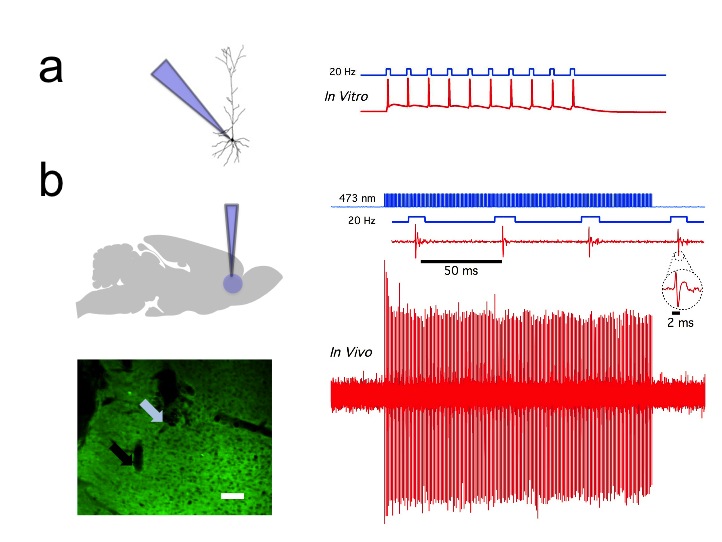
Chen and colleagues showed that cocaine-induced prefrontal hypoactivity drives compulsive seeking, and that optogenetic activation prevents it. Source: Chen et al., Nature 2013.
Neuroscience
A pilot study reported 80% smoking abstinence at six months, and a 2022 trial found psilocybin reduced heavy drinking. Source: Johnson MW et al., J Psychopharmacol 2014; Bogenschutz MP et al., JAMA Psychiatry 2022.

Treatment & recovery
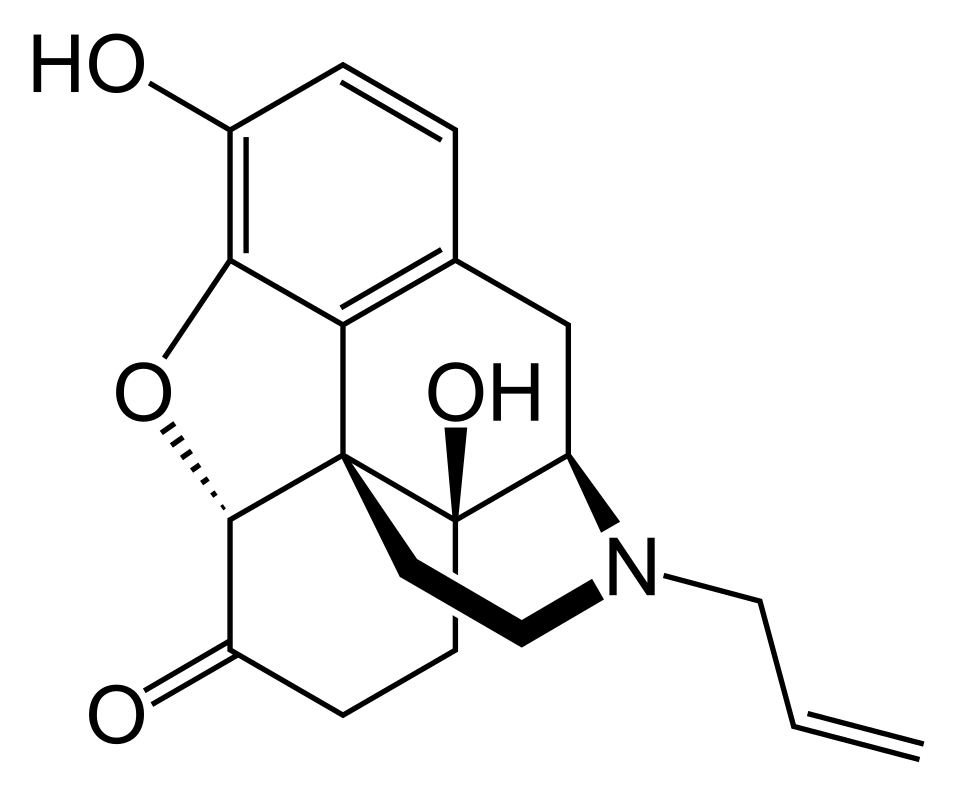
Evzio, a talking auto-injector, let family members and bystanders reverse opioid overdoses. Source: FDA (2014).
Neuroscience
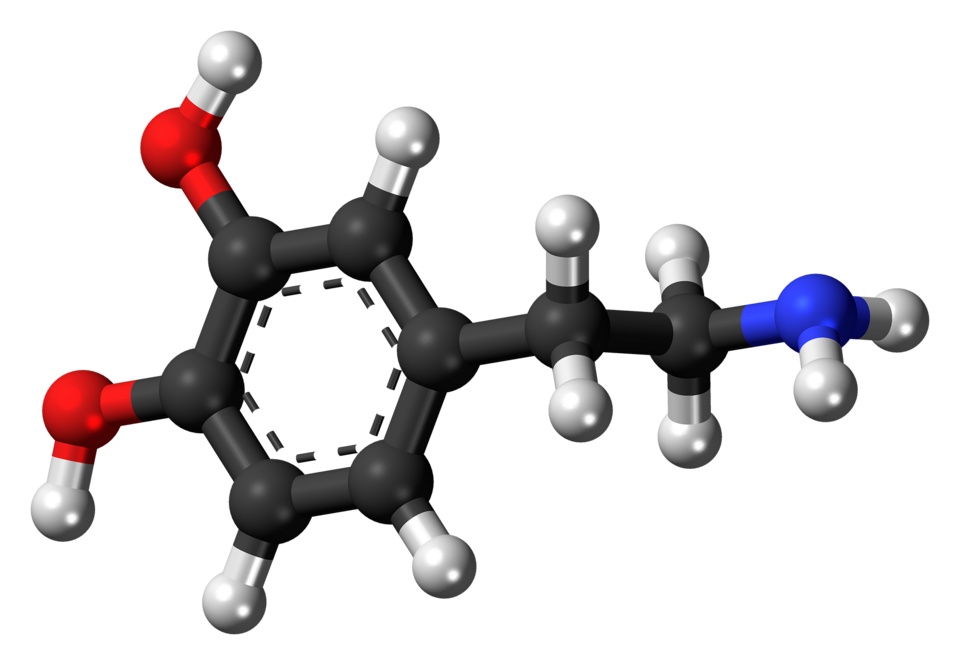
Willuhn and colleagues found that escalating cocaine intake is linked to a progressive decrease in phasic dopamine signaling in the striatum, and that restoring dopamine with L-DOPA reduced escalation. Source: Willuhn et al., Nat Neurosci 2014.
Treatment & recovery
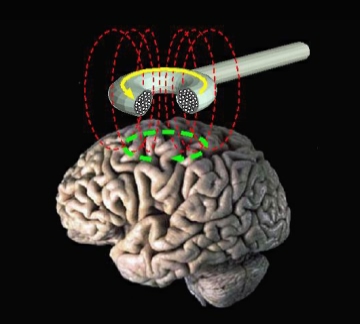
Deep repetitive TMS of the prefrontal and insular cortex reduced smoking (2014), and prefrontal TMS reduced cocaine use in a pilot trial (2016). Source: Dinur-Klein et al., Biol Psychiatry 2014; Terraneo et al., Eur Neuropsychopharmacol 2016.
Neuroscience
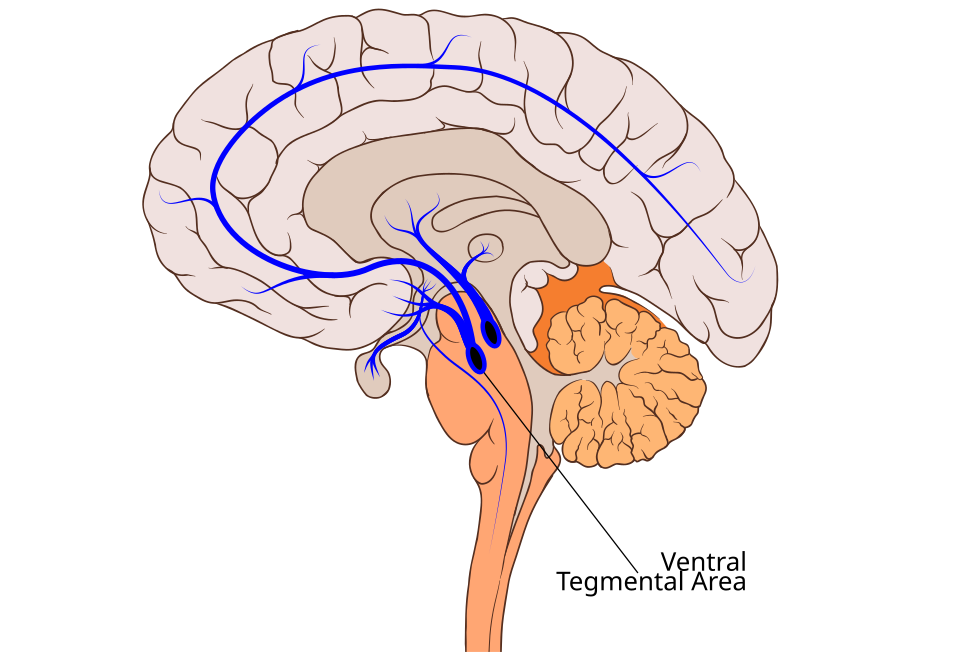
Our lab and collaborators showed that CRF neurons in the ventral tegmental area mediate the aversive effects of nicotine withdrawal and promote intake escalation. Source: Grieder et al., Nat Neurosci 2014.
Epidemics & trends
More overdose deaths now involve fentanyl combined with methamphetamine or cocaine, and recently the sedative xylazine. Source: Ciccarone D, Curr Opin Psychiatry 2021.

Epidemics & trends
After pod devices like JUUL launched in 2015, vaping among high school students reached 27.5% in 2019. Source: National Youth Tobacco Survey.

Treatment & recovery
A ready-to-use naloxone nasal spray made overdose reversal simpler for anyone. Source: FDA (2015).
Neuroscience
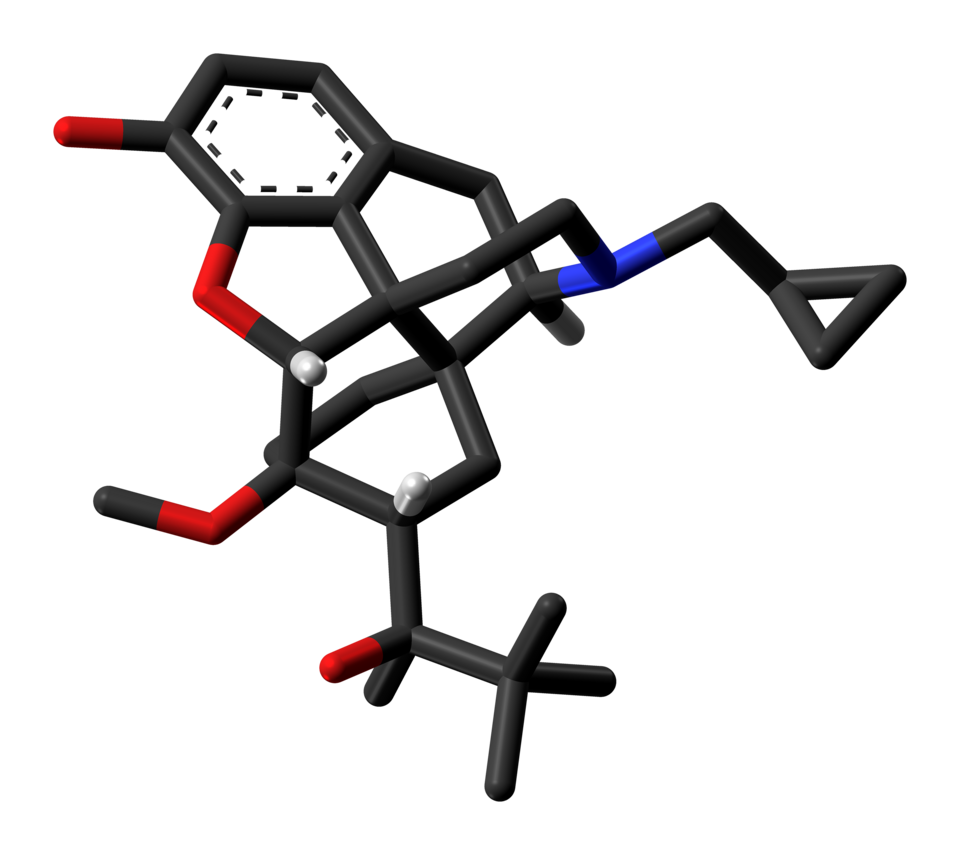
Volkow, Koob, and McLellan reviewed the neurobiological evidence for the brain disease model of addiction. Source: Volkow ND, Koob GF, McLellan AT, N Engl J Med 2016.

Treatment & recovery
Probuphine delivered buprenorphine for six months from implants under the skin. Source: FDA (2016).
Neuroscience
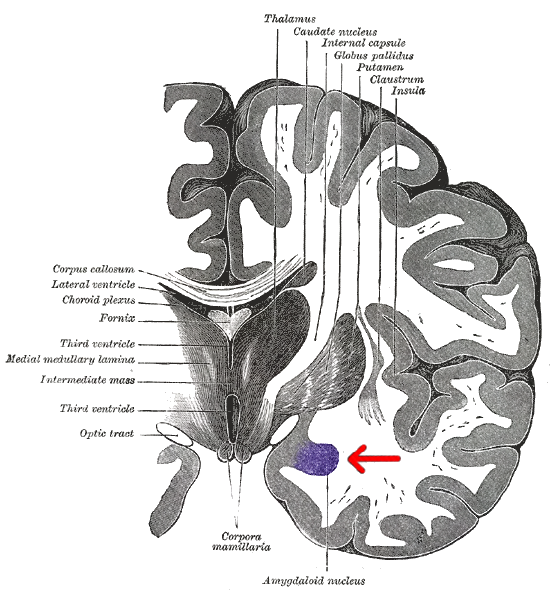
De Guglielmo and colleagues showed that an ensemble of central amygdala neurons recruited during withdrawal is required for excessive drinking and withdrawal signs in alcohol-dependent rats. Source: de et al., J Neurosci 2016.
Policy & institutions
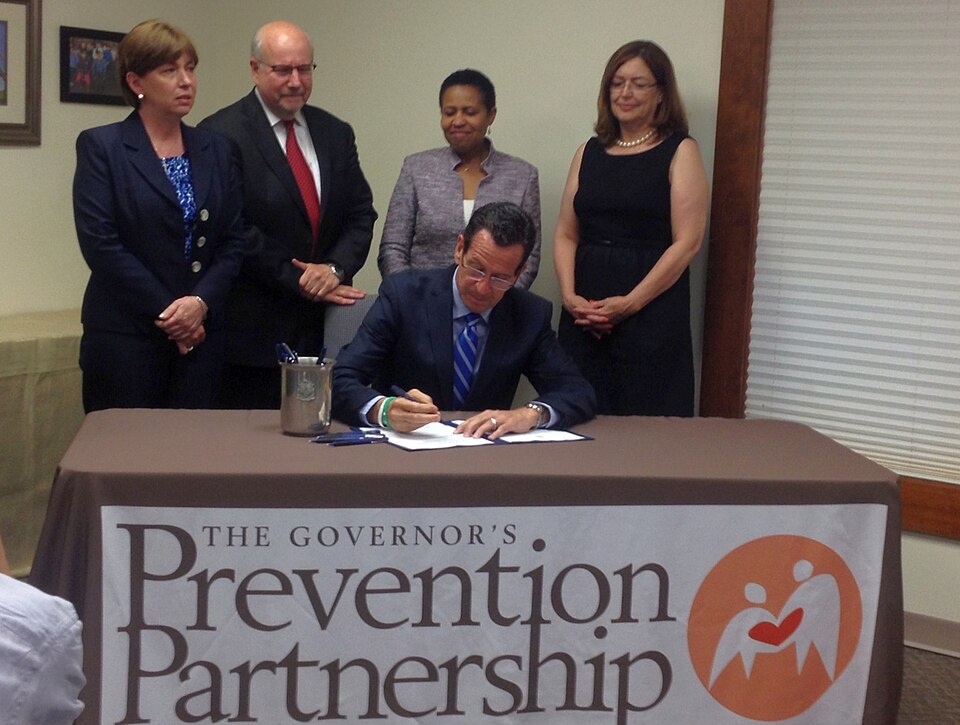
In 2016, Surgeon General Vivek Murthy released "Facing Addiction in America," the first Surgeon General's Report dedicated to substance use disorders. The report marked a major shift, framing addiction as a chronic brain disease rather than a moral failing, and called for integrating addiction treatment into mainstream healthcare.

Policy & institutions
The Department of Health and Human Services declared the opioid crisis a nationwide public health emergency. Source: HHS (2017).

Treatment & recovery
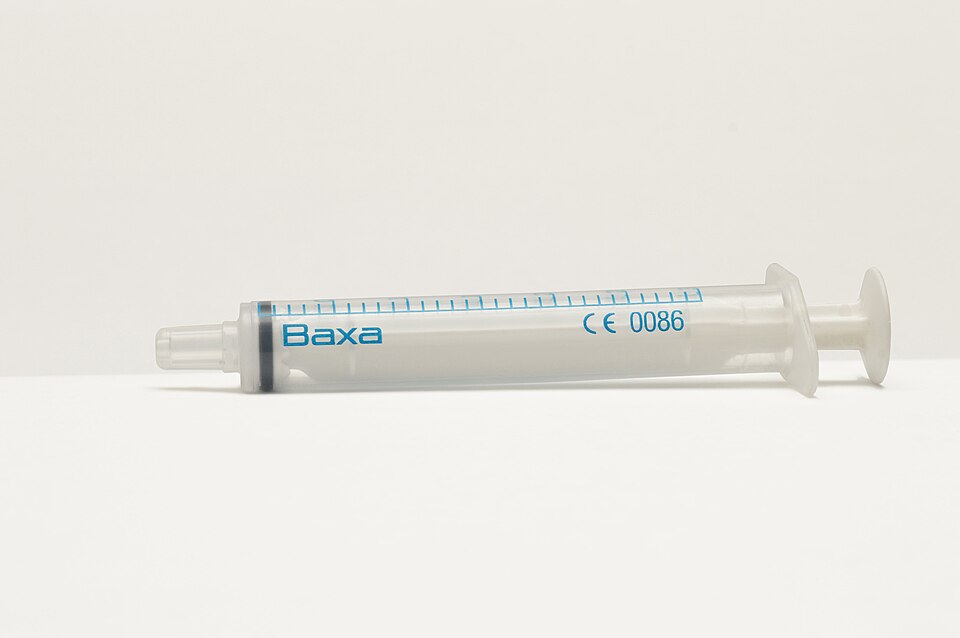
Sublocade, a once-monthly injection, removed the need for daily doses. Source: FDA (2017).
Treatment & recovery
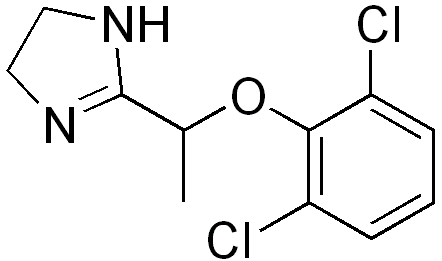
Lofexidine (Lucemyra) became the first non-opioid medication approved to ease opioid withdrawal symptoms. Source: FDA (2018).
Policy & institutions
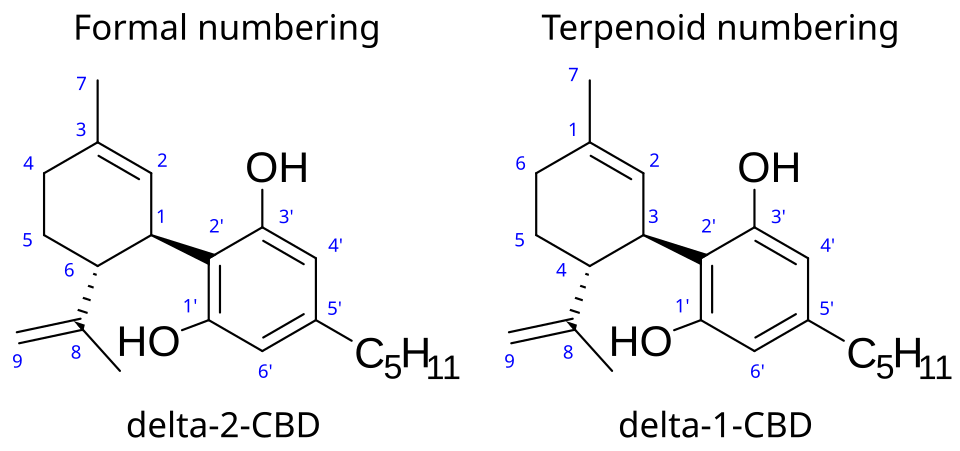
The FDA approved Epidiolex (cannabidiol) for rare childhood epilepsies; the 2018 Farm Bill legalized hemp. Source: FDA (2018); Agriculture Improvement Act (2018).
Policy & institutions
A broad federal response to the opioid crisis, expanding access to treatment, including medications for opioid use disorder. Source: SUPPORT for Patients and Communities Act (2018).
Neuroscience
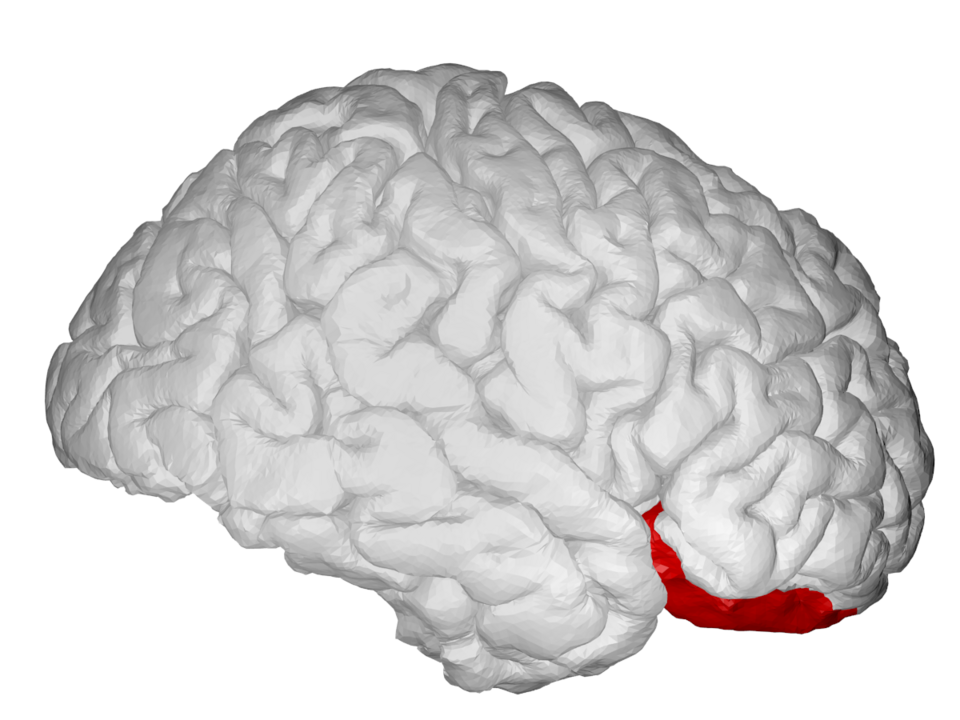
Pascoli and colleagues linked compulsive self-stimulation of dopamine neurons in some mice to plasticity in the orbitofrontal-to-striatum pathway. Source: Pascoli et al., Nature 2018.
Neuroscience
De Guglielmo and colleagues showed that inactivating a CRF-dependent pathway from the central amygdala reverses addiction-like behaviors in alcohol-dependent rats. Source: de et al., Nat Commun 2019.
Diagnosis
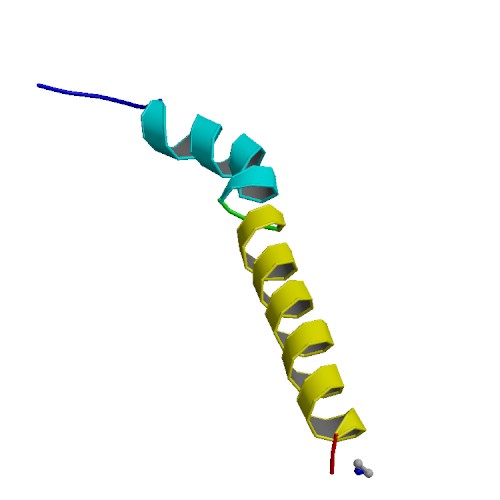
The World Health Organization's ICD-11, in effect from 2022, lists gaming disorder alongside gambling disorder. Source: WHO ICD-11.

Neuroscience
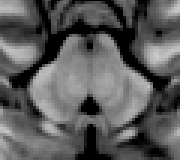
Siciliano and colleagues identified a cortex-to-brainstem circuit whose activity predicts which mice will develop compulsive alcohol drinking. Source: Siciliano et al., Science 2019.
Policy & institutions
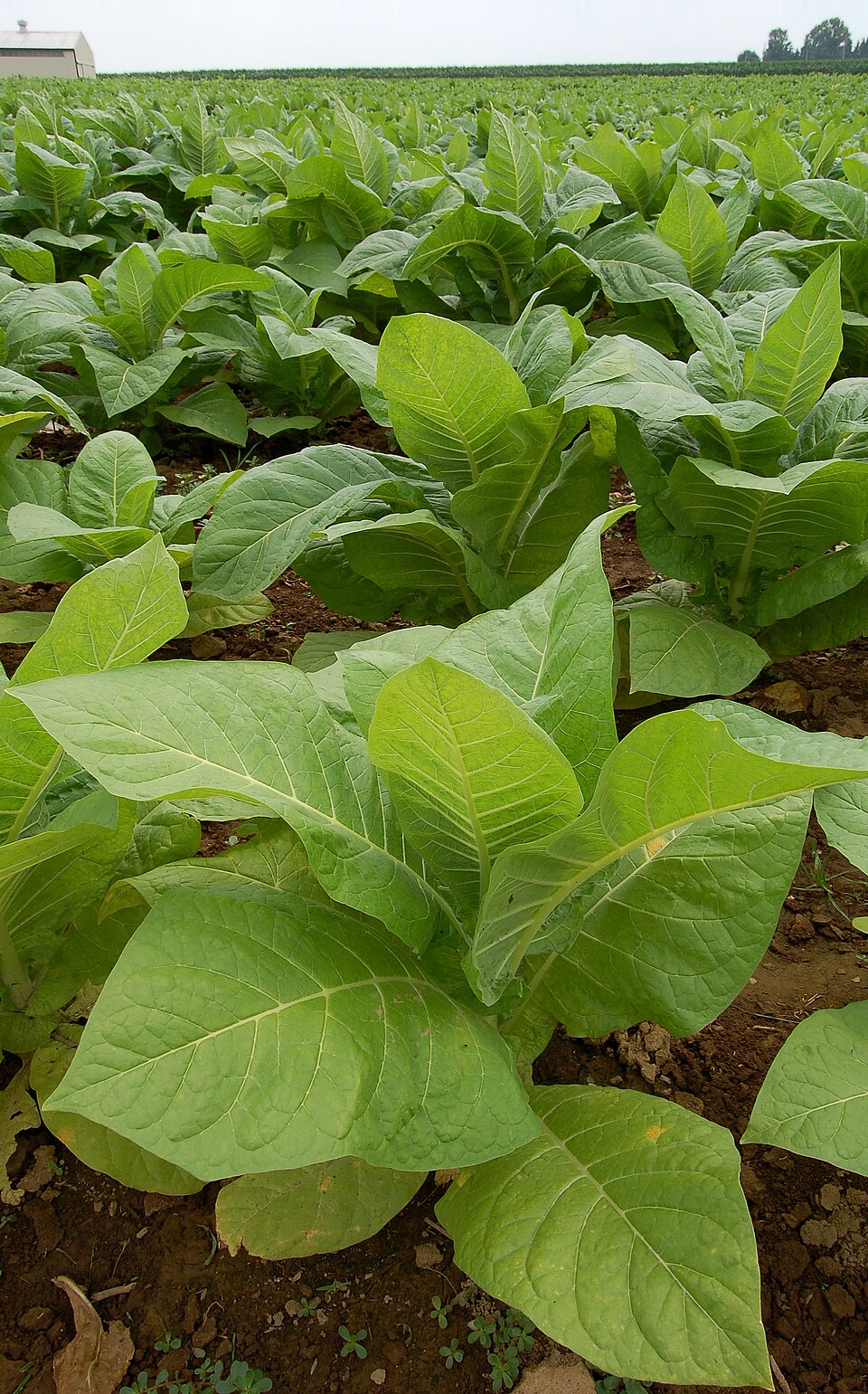
The minimum age to buy any tobacco product, including e-cigarettes, rose from 18 to 21 nationwide. Source: Further Consolidated Appropriations Act (2020).
Neuroscience
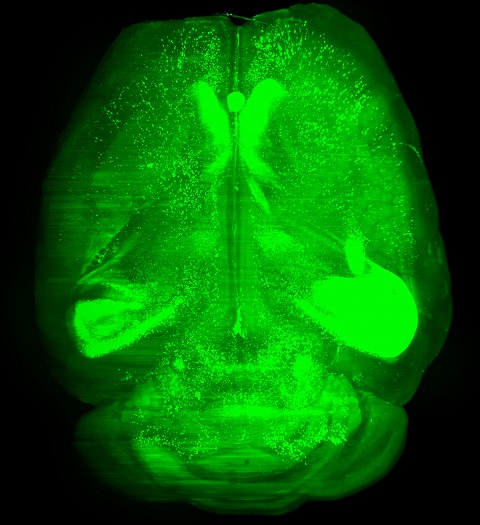
Our lab used single-cell whole-brain imaging to show that alcohol dependence and abstinence reorganize the brain's functional architecture. Source: Kimbrough et al., Proc Natl Acad Sci U S A 2020.
Treatment & recovery
The FDA cleared deep transcranial magnetic stimulation to help adults quit smoking (August 2020), based on a multicenter randomized trial. Source: Zangen et al., World Psychiatry 2021.
Policy & institutions
Measure 110 decriminalized small amounts of all drugs and funded treatment; Oregon recriminalized possession in 2024. Source: Oregon Measure 110 (2020); HB 4002 (2024).

Neuroscience
Oregon legalized supervised psilocybin services; in 2024 the FDA declined to approve MDMA-assisted therapy for PTSD. Source: Oregon Measure 109 (2020); FDA (2024).

Neuroscience
A cross-ancestry study of the Million Veteran Program and other cohorts uncovered new genetic loci for opioid use disorder. Source: Kember et al., Nat Neurosci 2022.
Policy & institutions
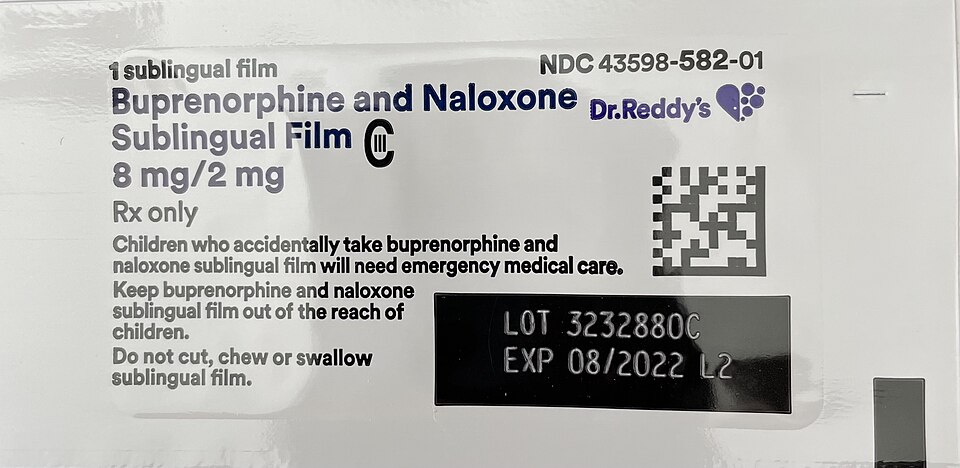
Any DEA-registered clinician can now prescribe buprenorphine for opioid use disorder, without a special waiver. Source: Mainstreaming Addiction Treatment Act (2022).
Neuroscience
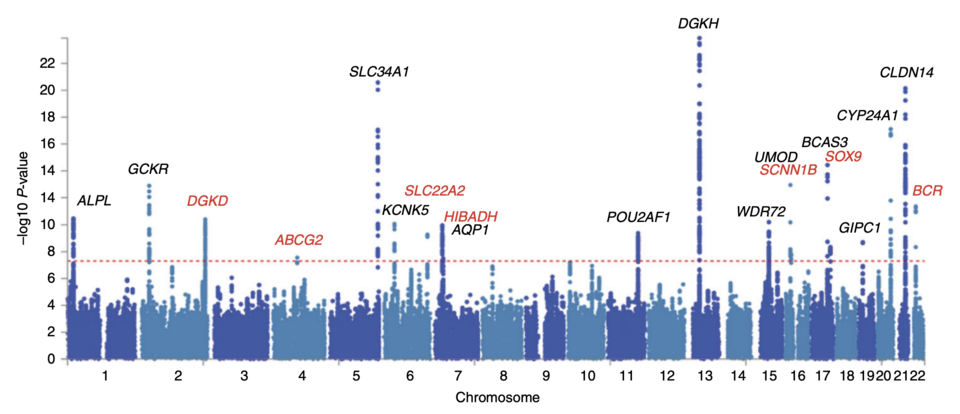
A genome-wide study of over one million people identified genes underlying risk across alcohol, cannabis, opioid, and tobacco use disorders. Source: Hatoum et al., Nat Ment Health 2023.
Treatment & recovery
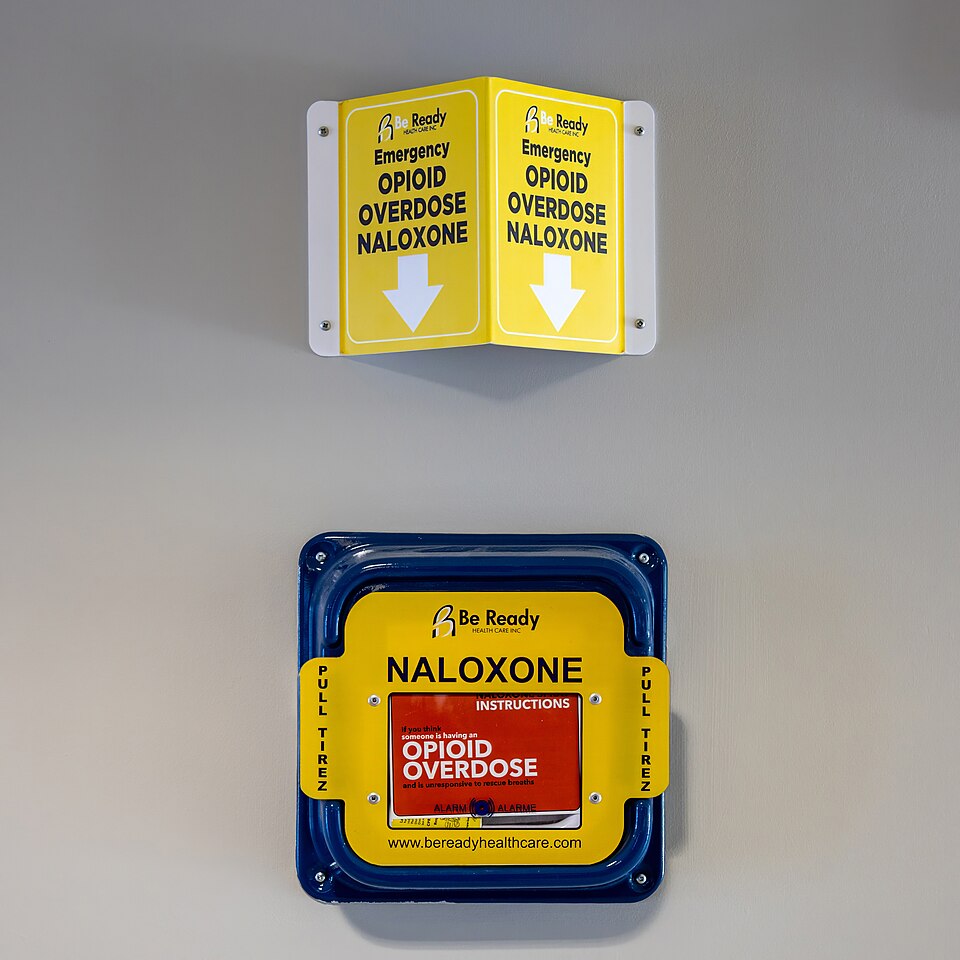
Narcan nasal spray became available without a prescription. Source: FDA (2023).
Treatment & recovery
Opvee, a longer-acting opioid blocker, was approved to reverse overdoses. Source: FDA (2023).

Treatment & recovery
Brixadi offered weekly or monthly buprenorphine injections. Source: FDA (2023).
Neuroscience
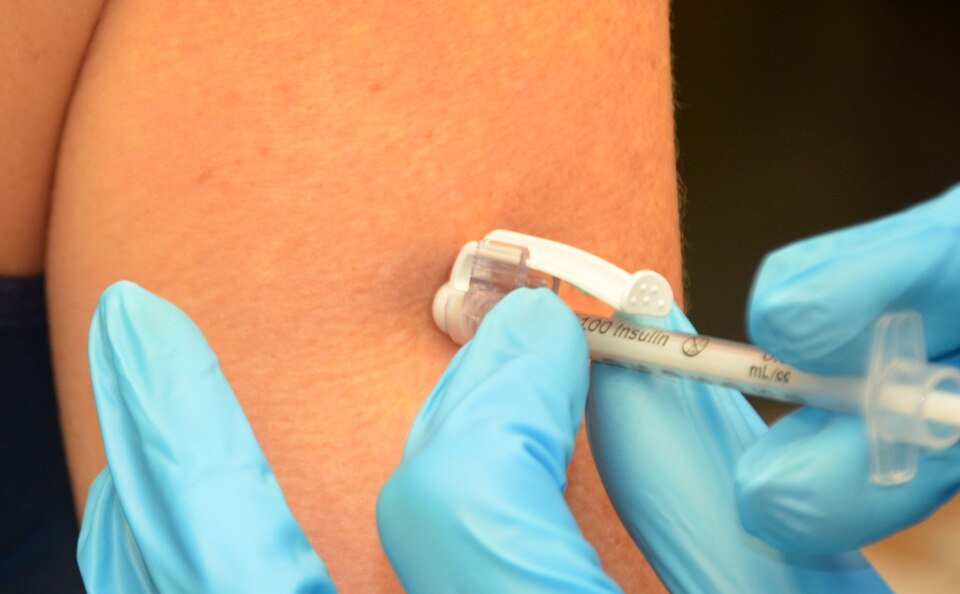
Zinani and colleagues showed that the compulsion zone theory accounts for cocaine-induced reinstatement of lever pressing in rats. Source: Zinani et al., Heliyon 2023.
Epidemics & trends
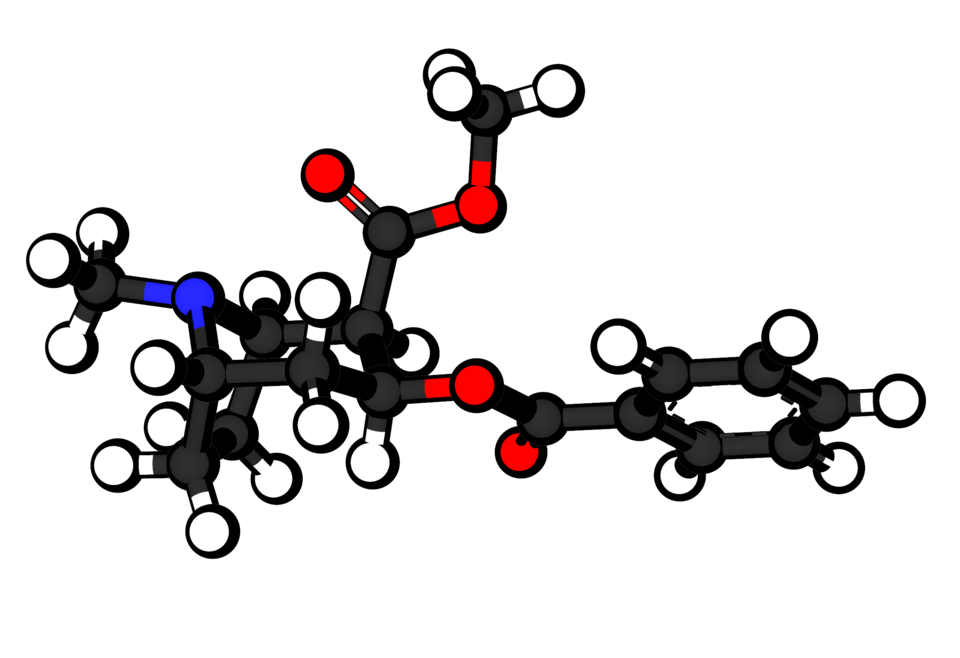
After peaking above 110,000 a year, U.S. overdose deaths fell by about a quarter in 2024. Source: CDC provisional data (2025).

Policy & institutions
The Department of Justice proposed moving cannabis from Schedule I to Schedule III, acknowledging medical use. Source: DEA proposed rule (May 2024).
Neuroscience
Chaudun and colleagues identified distinct ensembles of μ-opioid receptor neurons that drive the positive and the negative reinforcing effects of fentanyl. Source: Chaudun et al., Nature 2024.
Treatment & recovery
A randomized trial found semaglutide, a diabetes and obesity drug, reduced alcohol consumption. Source: Hendershot CS et al., JAMA Psychiatry 2025.

Neuroscience
Our lab's genome-wide study of cocaine self-administration in genetically diverse heterogeneous stock rats identified gene variants linked to addiction-like behavior. Source: Lara et al., Nat Commun 2026.
Maintained by the George Lab. Suggest an addition or correction through the contact page.